About iStudy

Getvarsity is established and incorporated with the objective to provide a comprehensive range of Continuous Professional Development (CPD), Personnel Skill Assessment, Industrial Quality standardization, Corporate Training, and Personnel Skill Certification solutions that meet the needs of stakeholders in an ever-changing Industrial ecosystem.

Account

Follow Us

PG Diploma / Diploma in Hospital Administration & Healthcare Quality Management

The Getvarsity Hospital Administration & Healthcare Quality Management Course in Kerala is an advanced, globally recognized dual-certification program that strictly adheres to NABH and JCI healthcare accreditation standards. Designed for aspiring healthcare leaders and administrators, this program fulfills the mandated IIRDC learning hours required for international ISO 17024:2012 Personnel Certification. Furthermore, your training directly grants up to 40 ABC credits toward the IIRDC National Credit Framework (NCRF) Level 6 and Level 4.5 skill qualifications. Featuring a mandatory 6-month NABH hospital internship, it is rated as the No. 1 highest-valued, internationally recognized Hospital Administration program for career acceleration.

Course Highlights

    • No.1 in Internship Integrated Skill Training
    • Duration: 6 Months to 12 Months
    • 6 Month NABH Hospital Internship & Internship Experience Certificate
    • Offline | Online | Hybrid | On - Job
    • IIRDC NHEQF 40 ABC Credits PGDM / Professional Diploma Certification
    • NHEQF- aligned IIRDC Joint Certificate issued on Digilocker
    • GetVarsity facilitates the skill development component of the curriculum for students enrolled in this Skills University program.
    • Approved by UGC, NCVET, NSDC, IIRDC, University, Skill India, Digilocker, etc.
    • Dual Certification = PGDM (12 Months) + PG Skill HMA (12 Months) or PDHA (12 Months) + Advanced Skill HMA (12 Months)
    • Healthcare / Hospital Industrial Visits
    • Hospital Quality Management Training
    • SAP Software for Healthcare 
    • Tally for Healthcare professionals
    • Basic Life Support - BLS Certification
    • Senior Professional Certification in First Aid
    • International and National Certifications
    • Classes by Expert Administrators & Doctors
    • Updated Industry Driven Curriculum
    • Multiple Add-On Certifications
    • Software Based Tools Training
    • NSDC + Skill University Certificate
    • IIRDC Personnel Skill Certification
    • Artificial Intelligence
    • Microsoft Office training
    • Personality Development Program
    • Purpose : The primary purpose of the PG Diploma and Diploma in Hospital Administration & Healthcare Quality Management at GetVarsity is to bridge the growing gap between the demand for skilled healthcare Executives / managers and the availability of trained professionals. Located in the healthcare hubs of India / Kerala—including Kochi, Ernakulam, and Calicut—this course aims to equip aspiring professionals with the critical operational, administrative, and quality management skills required to run modern healthcare facilities efficiently. By integrating industry-standard practices, the program is designed to develop visionary leaders who can manage hospital ecosystems smoothly, ensure patient safety, and maintain high standards of clinical and non-clinical services.
    • Scope : With the rapid expansion of the healthcare sector globally and locally in India / Kerala, the scope for certified hospital administrators has never been broader. This program opens doors to lucrative career opportunities across multi-specialty hospitals, clinics, diagnostic centers, health insurance companies, and healthcare IT firms. Graduates can secure roles ranging from Hospital Operations Managers and Quality Assurance Executives to Facility Administrators and Healthcare Consultants. Furthermore, as the program adheres to the National Educational Policy (NEP 2020) and integrates National Higher Education Qualifications Framework (NHEQF) / National Skill Qualifications Framework (NSQF) Skill credits, the scope extends internationally, making candidates highly competitive in both the domestic and global healthcare markets.
    • Benefits of Qualification : Earning your Hospital Administration qualification from GetVarsity offers unparalleled advantages designed for career acceleration. Students receive a highly recognized Dual Certification (e.g., PGDM + PG Skill HMA) alongside an IIRDC NSQF / NHEQF aligned certificate that grants 40 ABC Skill credits directly issued on DigiLocker, ensuring national recognition and tamper-proof authenticity. A standout benefit is the 6-Month mandatory NABH Hospital Internship, providing students with a hands-on experience certificate that massively boosts employability. Additionally, the qualification makes candidates eligible for government MSME schemes, subsidies, and priority in National Apprenticeship schemes (NATS/NAPS). The comprehensive integration of practical tools like HIMS, HMS, SAP and Tally for healthcare further sets graduates apart in the competitive job market.
    • Responsibilities of Certified Personnel : Upon successful completion, certified healthcare administrators take on vital responsibilities that keep medical institutions functioning smoothly. Their core duties include managing daily hospital operations, ensuring compliance with NABH (National Accreditation Board for Hospitals & Healthcare Providers) and other regulatory standards, and optimizing patient care delivery. Administrators are tasked with managing hospital finances, overseeing inventory and supply chains, coordinating between medical staff and departments, and implementing continuous quality improvement initiatives. Furthermore, they play a crucial role in crisis management, digital record keeping, and ensuring a safe, hygienic environment for both patients and healthcare workers.
    • Eligibility Criteria : The Hospital Administration courses at GetVarsity are structured to accommodate a diverse range of educational backgrounds, catering to fresh graduates and working professionals alike. For the PG Diploma programs, candidates must possess a recognized Bachelor’s Degree in any discipline (Science, Commerce, Arts, Nursing, or Paramedical). For the Diploma and Skill Development levels, candidates who have completed their 10+2 (Higher Secondary) or equivalent are highly encouraged to apply. Medical professionals, nurses, and current healthcare staff looking to transition into managerial and quality assurance roles will find this eligibility structure perfectly aligned with their career upskilling needs.
    • Assessment Procedure : GetVarsity employs a robust, multi-tiered assessment procedure authorized under the guidelines of the National Council for Vocational Education and Training (NCVET) Awarding Body and IIRDC. The evaluation process goes beyond traditional written exams, focusing heavily on continuous practical assessments, industrial project submissions, and skill-competency tests. During the 6-month NABH hospital internship phase, students are evaluated on their on-the-job performance, problem-solving capabilities, and adherence to healthcare quality protocols. This competency-based assessment ensures that every graduating student possesses not just theoretical knowledge, but the practical capability to thrive in high-pressure hospital environments.
    • Curriculum : The industry-aligned curriculum for the Professional Diploma in Hospital Administration and Healthcare Quality Management Skills spans 1200 hours over 12 months, offering a dynamic blended learning approach that encompasses 17 core subjects. It builds a strong medical foundation through Basic Physiology and Anatomy before advancing into the strategic Management of Clinical and Support Services. To develop well-rounded administrators, the program thoroughly covers operational pillars such as Financial and Accounting Management, Human Resources, and Hospital Materials Management. Heavy emphasis is placed on modernizing healthcare delivery, with dedicated modules on Medical Management Information Systems (HMIS), Digital Tools and AI, Hospital Branding and Marketing, and Health Insurance and Medical Tourism. Furthermore, students are rigorously trained to uphold institutional safety and regulatory compliance through deep dives into the Legal Aspects of Healthcare, Biomedical Waste Management, and Disaster Management. The cornerstone of the syllabus is its exhaustive focus on healthcare excellence, equipping students with mastery over NABH and JCI accreditation standards, continuous Quality Management frameworks like Lean and Six Sigma, and clinical auditing, all reinforced by practical projects and optional on-the-job training (OJT) to ensure immediate career readiness in the competitive healthcare sector.

Placements & Internships

Sandra S
Arathy Manoj
Bineesh
Krishna Raj
Ahla M Jaseer
Muhammed Shijan K
muhammed Bin Yoonus
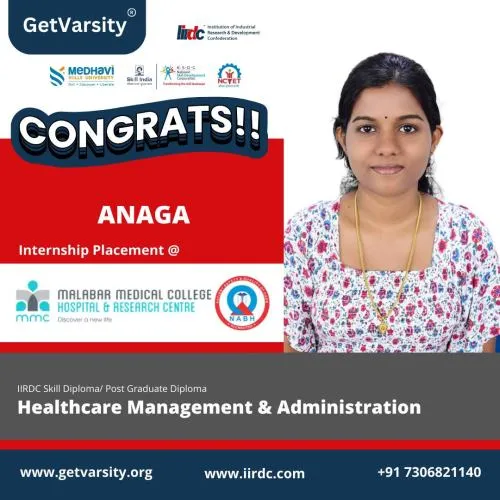
Anaga
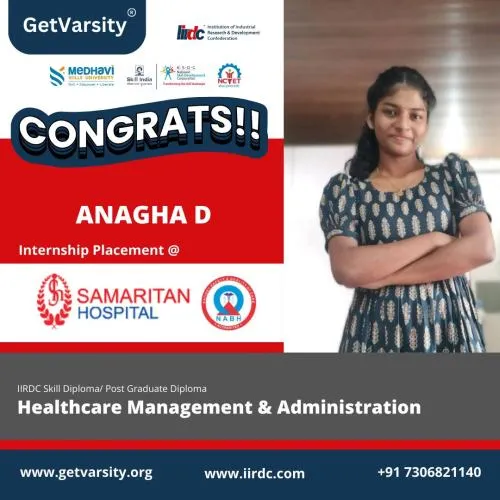
Anagha D
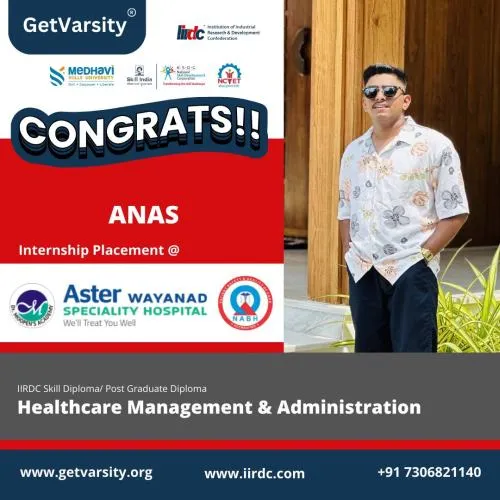
Anas

why getvarsity ?

skill india
Skill India Training Partner / Provider /
Project Management Unit (PMU)

IIRDC is an Skill India (Ministry of Skill Development &Entrepreneurship) TP which have rights to Approve, Accredit andCreate Training Centers (TC) under IIRDC and Impart NSQF, NHEQF,Non - NSQF Certification Programs. (Service Agreement Sl. No. B386880). All IIRDC TC’s would qualify as Government recognizedskill training institution status.

ncvet
NCVET Training Body

IIRDC is a Training Body having rights to Approve, Accredit and Create Training Centers under IIRDC TB of NCVET Awarding Body. Also IIRDC holds Rights of Research & Development of New Industry Anchored NSQFand NHEQF Qualifications Through AB. All confederation companiesunder IIRDC will be accredited skill centers of AB.

ugc
UGC Approved Skill University's Industry Outreach
Partner / Skill Training Partner & Service Partner

GetVarsity is a company, not a UGC-regulated HEI, and provides fee-based Skill training and institutional support, while universities handle all academic processes, including admissions, exams, and awarding degrees. GetVarsity partners with universities and industry to integrate higher education with skill development, supporting UGC-approved work-integrated, vocational, and apprenticeship-based programs aligned with NEP 2020. 

iirdc
Personnel Skill Assessment & Certification Body

IIRDC Is an Autonomus Skill Assessment and CertificationAwarding Bodyworking as per the norms under international standards forGeneralrequirements for bodies operating certification of persons.IIRDCensures that a certified candidate holds the skills andexpertise ina specialized area through systematic assessments.

TÜV SÜD
TUV SUD Germany Food Safety and Quality 1st Cooperation Partner in India

TÜV SÜD Germany is a globally trusted technical service providerwithover 150 years of legacy in quality assurance and safety.Renowned forits rigorous standards, TÜV SÜD offers comprehensive testing,inspection, auditing, and certification services tailored to the food industry. Getvarsity is an official Training center & Confederation company of IIRDC ( TÜV SÜD Cooperation Partner )

digilocker
DigiLocker Verified

All IIRDC NCrF (NHEQF / NSQF) Aligned Skill Qualification Certifications issued in association with NCVET AB will be added into DigiLocker — a platform where Government Documents like Aadhaar, PAN, and Driving License are issued and verified. Credits will also be issued in ABC verifiable through DigiLocker.

abc skill credits
Academic Bank of Credits (ABC) Body

ABC is a digital system established under the National Education Policy (NEP) to facilitate credit accumulation, transfer, and redemption across higher education institutions. It allows candidates to earn credits for completed coursework. As per the ABC framework, 30 hours of learning equate to 1 academic credit, ensuring standardized recognition of learning outcomes across institutions. All NCrF aligned courses provided by Getvarsity holds ABC Skill credits.

nad
National Academic Depository (NAD)

NAD is a platform established by the Government to securely store and verify academic awards issued. Managed by DigiLocker and integrated with the Academic Bank of Credits (ABC), it enables verified documents anytime, reducing fraud and administrative delays while supporting the goals of NEP 2020. Certificates issued for Getvarsity students, which are aligned to NCrF, is linked to NAD.

nep 2020
National Education Policy (NEP)

The National Education Policy (NEP) 2020 aims to create a flexible and integrated education system. It connects school, higher, and vocational learning through the National Credit Framework (NCrF), National Higher Education Qualification Framework (NHEQF), and National Skills Qualifications Framework (NSQF), enabling credit transfer, skill integration, and lifelong learning. Getvarsity delivers NCrF courses aligned to NEP 2020 

Frequently Asked Questions

This course stands out as the No.1 choice in Healthcare management and Hospital Administration due to its industry-driven curriculum, hands-on training, and global recognition. It offers a 6-month NABH hospital internship, placement assistance, and certifications from IIRDC, NSDC, UGC/ NCVET-recognized skill university, and other International bodies, ensuring job readiness. Learners gain expertise in HIS(Hospital Information System), SAP, Tally, Artificial Intelligence in Healthcare, Microsoft Office, and First Aid & Basic Life Support, along with personality development training. With offline, online, and hybrid learning modes, the program caters to diverse learners, providing IIRDC Personnel Skill Certification, international certifications, and eligibility for apostille attestation valid in 150+ countries and other attestations along with International online verification facility, opening doors to global career opportunities. Taught by experienced doctors and administrators, this program guarantees real-world exposure through hospital visits and industrial training, making it the best and most trusted choice for aspiring healthcare professionals. Get Varsity

The course consists of two types:

  • 6 months ( 600 hours ) of Practical training & On-Site Industry Internship training covering all the industry-relevant skill-oriented topics, The Diploma in Hospital Administration in Kochi & Calicut.
  • 12 Months ( 1200 hours ) of Practical training & On-Site Industry Internship training covering all the industry-relevant skill oriented topics, The Advanced Diploma & PG Diploma in Hospital Administration in Kochi. 100% placement assistance is our assurance to all students.
  • Up to 6 Months Hospital Internship at Top Tier NABH Accredited Hospitals is integrated with multiple Hospital administration courses. Get Varsity

For Detailed Syllabus Call or Whatsapp On : +91 7306136806


  • Management of Clinical Services
  • Basic Physiology and Anatomy
  • Management of Support & Utility Services
  • Medical Management Information System
  • Biomedical Waste Management
  • Safety & Risk Management
  • Legal Aspects of Health
  • HRM in Healthcare Industry 
  • Hospital Materials Management
  • Health/ Medical Insurance and Medical Tourism
  • Disaster Management
  • Quality Management & NABH Standards
  • Operations Management
  • Drugs & Pharmaceuticals
  • Office tools & Techniques
  • Brand Development & Marketing Of Hospitals
  • Accountancy for Hospitals
  • Basic Life Support (BLS)
  • Senior Professional First Aid.
  • Geriatric Caregiving
  • Placement Assistance and Career Development Module
  • Application Of Artificial Intelligence

  • Hospital Administrator – Manage hospital operations, staff, and patient care services efficiently.
  • Healthcare Operations Manager – Optimize healthcare processes and ensure smooth hospital workflow.
  • Medical Billing & Coding Specialist – Handle insurance claims, medical coding (ICD, CPT), and revenue cycle management.
  • Healthcare Quality Manager (NABH/NABL) – Ensure compliance with healthcare accreditation standards.
  • Healthcare IT Manager – Implement and manage Artificial Intelligence (AI) and technology solutions in healthcare.
  • Geriatric Care Manager – Oversee elderly care services, rehabilitation, and long-term care programs.
  • Medico-Legal Consultant – Advise healthcare institutions on legal and ethical compliance.
  • Clinical Research Coordinator – Manage and supervise clinical trials and medical research.
  • Health Insurance Specialist – Work with insurance providers for policy processing and claims management.
  • Medical Records Manager – Maintain and secure patient medical records using hospital management systems.
  • Public Health Administrator – Develop and implement public health policies and programs.
  • Healthcare Finance Manager – Oversee hospital budgeting, billing, and financial management using SAP & Tally.
  • Hospital Front Office Manager – Supervise patient admissions, appointment scheduling, and hospital reception.
  • Medical Tourism Consultant – Assist patients traveling internationally for medical treatment.
  • First Aid & Basic Life Support (BLS) Trainer – Train professionals and the public in emergency response techniques.
  • Healthcare HR Manager – Manage hospital staffing, training, and HR policies.
  • Pharmaceutical Sales Representative – Promote and sell medicines and healthcare products to hospitals.
  • Rehabilitation Center Coordinator – Manage rehabilitation services for post-surgical and chronic illness patients.
  • Health Informatics Analyst – Analyze healthcare data and improve hospital efficiency using IT solutions.
  • Entrepreneur in Healthcare – Start your own hospital consultancy, medical billing firm, or healthcare venture.
  • Medical Office Assistant – Handle patient records, appointment scheduling, and administrative support.
  • Healthcare Customer Service Representative – Assist patients with inquiries, insurance claims, and hospital services.
  • Patient Care Coordinator – Work closely with doctors and nurses to ensure smooth patient care.
  • Hospital Receptionist – Manage front-desk operations, patient check-ins, and hospital queries.
  • Medical Transcriptionist – Convert physician dictations into official medical documents.
  • Junior Healthcare Data Analyst – Assist in collecting and analyzing healthcare data for hospital operations.
  • Ward Clerk – Maintain patient records and coordinate hospital room assignments.
  • Pharmacy Assistant – Support pharmacists in managing prescriptions and inventory.
  • Laboratory Coordinator – Assist in lab testing, sample collection, and data management.
  • Community Health Worker – Work in public health initiatives, spreading awareness about healthcare services.

  • Awarded as IIRDC's Best Center For Skill Excellence in India. 
  • NCVET Awarding Bodies empaneled Skill India (Skill India - Ministry of Skill Development and Entrepreneurship) Approved Training Center (TC) Under IIRDC Training body (TB &TP).
  • Industry Outreach Partner, Service Partner, &Vocational Training partner of multiple UGC, NSDC and NCVET recognized Skill Universities.
  • Special Right to develop and implement NHEQF, NSQF programs with Digi locker ABC credits through IIRDC.
  • Accredited by ISO and International bodies of UK, USA, UAE, Egypt, European countries, Etc.
  • Gov Skill Loan, Educational & IIRDC GST Exemptions.

A hospital administrator is a key non-clinical management professional responsible for overseeing the operations, administration, and financial planning of hospitals and healthcare facilities. They ensure efficient patient care, regulatory compliance, and smooth hospital workflow while managing staff, resources, and medical services. Hospital administrators play a crucial role in healthcare management, making it one of the most sought-after careers in the medical industry.

The role of a hospital administrator includes:

  • Managing Hospital Operations – Overseeing daily hospital functions, staffing, and departmental coordination.
  • Ensuring Compliance & Accreditation – Maintaining NABH, JCI, and other healthcare quality standards.
  • Financial & Budgeting Responsibilities – Handling hospital finances, revenue management, and insurance processing.
  • Enhancing Patient Care Services – Ensuring high-quality patient experience and satisfaction.
  • Supervising Healthcare Teams – Managing doctors, nurses, paramedics, and administrative staff.
  • Implementing Healthcare Policies – Developing strategies for operational efficiency and legal compliance.

Salaries vary by experience and location, For trainee positions, earn INR 0 - 1.8 LPA, for entry-level positions, earn INR 1.5 to 8 LPA in India ($50,000+ globally), experienced professionals INR 15-30 LPA or above.

NHEQF, or the National Higher Education Qualifications Framework, is a structured framework developed by the Government of India to standardize and benchmark the learning outcomes, levels, and qualifications across all higher education institutions in the country. It forms a vital part of India’s education reform under the National Education Policy (NEP) 2020, aiming to ensure consistency, quality, and global comparability of Indian higher education qualifications.
The NHEQF defines specific learning outcomes, credit levels, and qualifications from undergraduate to doctoral levels, helping students, educators, and employers clearly understand the competencies associated with each level. It also facilitates credit transfers, multiple entry and exit options, and promotes interdisciplinary and flexible learningaligned with international education standards.
Implemented under the guidance of the University Grants Commission (UGC) and in alignment with the National Skill Qualification Framework (NSQF), NHEQF plays a key role in integrating academic education with skill-based learning. This enhances employability, supports lifelong learning, and contributes to India's vision of becoming a global knowledge economy.
By enrolling in NHEQF-aligned courses, learners gain access to nationally recognized qualifications, better career mobility, and increased opportunities in both domestic and international job markets.


India’s first and Kerala’s only IIRDC NHEQF Credit Certificate. Getvarsity is Officially Entitled to provide IIRDC NSQF, IIRDC NHEQF, IIRDC Personnel Skill Certification, etc., through IIRDC Accreditation as a confederation training partner. 
• IIRDC NHEQF certificate will be treated as a skill qualification in various sectors.
• Valid for state/central government, Private sector jobs where skill qualifications are allowed under IIRDC NSQF/IIRDC NHEQF.
• National Academic Depository (NAD) enabled program
• NSDC, NCVET, UGC, Skill India, University, NCrF approved IIRDC NHEQF Certification
• Aligned to Skill India by the Ministry of Skill Development and Entrepreneurship 
• IIRDC NHEQF Certificates Issued on DigiLocker: Secure, government-authenticated verification.
• Credits issued on ABC (Academic Bank of Credits) in Digilocker (40 or 20 as per Hrs)
• Embassy Attestation Eligibility
• IIRDC NHEQF is fully aligned with NCrF (National Credit Framework)
• Recognition across universities: Acceptable by HEIs (Higher Education Institutions) that follow UGC guidelines.
• Courses are mapped with industry competency standards, increasing job readiness.
• Aligns with NEP 2020 (National Education Policy) for multidisciplinary, flexible education.
• Stackable learning: Can stack multiple level-based certificates towards a higher qualification.
• Can be used for applying to government MSME schemes, subsidies, and loans (like Mudra, PMEGP) which ask for proof of technical training.
• Helps learners get priority in Apprenticeship (NATS/NAPS) and Internship schemes under various ministries where skill qualifications are mandatory.

IIRDC, or the Institution of Industrial Research and Development Confederation, is a premier national-level Autonomous Professional Confederation Incorporated and Established under section-8, Act 2013, formerly known as Section -25, Act 1956, Regulated by the Ministry of corporate affairs, Government of India dedicated to advancing industrial research, skill development, innovation, and vocational education in India. Recognised for its role in bridging the gap between academia, industry, and skill-based training, IIRDC operates as a certification and awarding body, promoting industry-relevant education, practical skill enhancement, and workforce development aligned with national and international standards. IIRDC functions under the guidelines of the National Council for Vocational Education and Training (NCVET) and supports the implementation of frameworks like NSQF (National Skill Qualification Framework) and NHEQF (National Higher Education Qualifications Framework). It accredits and supports training centers, assessment bodies, and institutions that offer personnel certification, skill-based programs, and continuing professional developmentacross various sectors. With a strong focus on applied research, technology integration, and industry-driven learning models, IIRDC plays a vital role in enhancing the employability and competitiveness of India's workforce. Certifications and training programs affiliated with IIRDC are designed to meet the evolving needs of modern industries, ensuring learners acquire job-ready skills and recognized qualifications. By partnering with IIRDC-accredited institutions like GetVarsity, learners and professionals gain access to high-quality, nationally endorsed certifications that support career growth, entrepreneurship, and global mobility.

IIRDC NHEQF Credits and Certificates issued through DigiLocker offer a wide range of benefits that enhance the credibility, accessibility, and national recognition of your qualifications. As part of the Digital India initiative by the Government of India, DigiLocker provides a secure, government-verified platform to store and access your skill-based certificates and academic achievements anytime, anywhere.
Here are the key benefits of IIRDC NHEQF credits and certificates issued on DigiLocker:
• National Recognition & Standardization
Certificates aligned with NHEQF (National Higher Education Qualifications Framework) and issued by IIRDC (Institution of Industrial Research and Development Confederation) are nationally standardized, making them widely accepted by government agencies, universities, and employers across India.
• Government-Verified & Tamper-Proof
Documents stored on DigiLocker are digitally verified by the issuing authority and cannot be altered, ensuring authenticity and integrity for use in official processes like job applications, higher education admissions, and government exams.
• Anywhere, Anytime Access
Your IIRDC NHEQF certificates are instantly accessible online via DigiLocker. Whether you're applying for a job, internship, or further education, you can retrieve and share your verified certificate with just a few clicks—no need for physical copies.
• Career Mobility & Skill Recognition
These credits and certificates enhance your employability by formally recognizing your skill levels, learning outcomes, and competencies. They also support credit transfer, enabling you to switch institutions or education levels without losing progress.
• Aligned with Skill India & NEP 2020
Being part of India’s Skill India Mission and compliant with NEP 2020 goals, these certifications bridge the gap between academic learning and industry skills, supporting flexible, lifelong learning pathways.
• Global Acceptance
With frameworks like NSQF and NHEQF modeled on international qualification standards, IIRDC certifications improve your global mobility and acceptance by international employers and educational institutions.

Hospital administration is emerging as one of the most promising and respected career paths in India and especially in Kerala, offering vast opportunities for graduates and professionals looking to enter the booming healthcare industry without being directly involved in clinical practice. As the Indian healthcare sector rapidly expands with the rise of private hospitals, health insurance, digital health startups, and NABH accreditation demands, the need for skilled hospital administrators has grown significantly. In Kerala, a state known for its advanced health indicators, the scope is even higher with numerous private hospitals, medical colleges, wellness centers, and Ayurveda institutions seeking trained professionals to manage operations, ensure quality standards, and comply with health regulations. Hospital administration involves planning, managing, and coordinating healthcare services and systems within hospitals or health facilities, ensuring seamless patient services, compliance with medical laws, proper staffing, budgeting, and implementing quality standards like NABH or ISO. Candidates from any educational background including arts, science, commerce, BBA, BSc, nursing, pharmacy, or even paramedical fields can pursue a career in hospital administration by completing a certificate, diploma, PG diploma, BBA, MBA, or MHA in healthcare or hospital management. Key job roles include hospital administrator, operations manager, NABH coordinator, HR manager, medical billing head, quality manager, and even top-level roles like hospital CEO or facility director in due course. In Kerala, cities like Kochi, Trivandrum, Calicut, Thrissur, and Kottayam are hotspots for hospital administration jobs, especially as more hospitals seek NABH accreditation. Government opportunities also exist through NHM, ESIC, CGHS, and PSC for public health institutions. Salaries for freshers range from 15,000 to 30,000 monthly and can grow to 60,000 or more with experience, while NABH-qualified or senior professionals earn 1.5 lakh or higher depending on the hospital’s scale. Essential skills for success include communication, leadership, knowledge of healthcare regulations, MIS systems, budgeting, crisis management, and patient satisfaction handling. Institutions like IIRDC GetVarsity Institute offer relevant training and certification programs, some of which are NSQF or NHEQF-aligned and recognized across India. The future scope is immense – with opportunities to work abroad, become a healthcare entrepreneur, work as a NABH auditor, or take up consultant roles for accreditation and hospital setup. As healthcare continues to become more quality-focused and technology-driven, hospital administration ensures a long-term, stable, and meaningful career, especially for those who want to blend management skills with social impact. To begin your journey, choose a practical, project-based certification or diploma course that offers exposure to real-time hospital processes, and if you are in Kerala, prioritize institutes that also offer NABH or healthcare quality training. For expert guidance, recognized certifications, and industry-aligned hospital administration programs in Kerala and across India, contact GetVarsity at www.getvarsity.org or via WhatsApp at +91 7306136806.


The GetVarsity Hospital Administration Course in Kerala, India is an IIRDC–NCRF Aligned professional qualification in healthcare management. It combines classroom instruction, hands-on hospital operations training, and a mandatory 6-month NABH hospital internship to produce job-ready graduates. The programme is approved by NCVET, UGC, NSDC, Skill India approved Skills University and ISO-certified under ISO/IEC 17024:2012, ISO 21001:2018, ISO 9001:2015, and ISO 29993:2017. NCRF Credentials are issued with DigiLocker integration, ABC (Academic Bank of Credits) registration, and eligible for apostille recognition valid in 150+ countries — making this one of the most comprehensively credentialled hospital administration courses available in Kerala / India.

The GetVarsity hospital administration course in Kerala is open to a wide range of candidates. The minimum entry requirement is a pass in +2 (any stream), making it accessible to science, commerce, and arts students alike. Degree holders in any discipline are also eligible — including GNM, ANM, DMLT, BMLT, BBA, BCom, BA, BSc, B.Pharm, MBBS, BAMS, BHMS, BNYS and Physiotherapy graduates. Experienced healthcare workers, nursing professionals, medical representatives, and clinic administrators looking to formalise or upgrade their skills are especially encouraged to apply. There is no upper age limit, and candidates already working in hospitals may pursue the course alongside employment.

GetVarsity offers two distinct dual certification pathways for hospital administration in Kerala: Pathway A (Academic + Skill): PGDM in Hospital Administration (12 months) combined with the PG Skill Certificate in Hospital Management & Administration (HMA). Suited for candidates seeking postgraduate academic recognition alongside a nationally recognised skill credential. Pathway B (Diploma + Advanced Skill): Post Diploma in Hospital Administration (PDHA, 12 months) combined with the Advanced Skill Certificate in HMA. Designed for working professionals or diploma holders seeking a faster route to an advanced credential. Both pathways carry IIRDC–NCRF accreditation, NCVET Awarding Body recognition, and DigiLocker-linked certificates.

The 6-month NABH hospital internship is a structured, supervised placement embedded within GetVarsity's hospital administration programme in Kerala / India. Students are placed in NABH-accredited hospitals where they gain direct exposure to quality management systems, patient safety protocols, clinical administration, billing workflows, and regulatory compliance. The internship is assessed by a hospital supervisor and results in an official internship completion certificate — a component that forms part of the formal programme assessment. This extended practical training period sets GetVarsity's hospital administration course apart from shorter theoretical programmes and significantly strengthens a candidate's employability with corporate hospital chains such as Sunrise, Rajagiri, Caritas, Indra Gandhi Cooperative hospital, KIMS, Aster, Appolo, Malabar, and Lakeshore Etc..

Completing GetVarsity's hospital administration course in Kerala / India, opens access to 40+ job roles across clinical and non-clinical functions. Common entry-level positions include Front Desk Executive, OPD Executive, Ward Secretary, Billing Executive, Medical Records Executive, Patient Care Executive, and Floor Coordinator. Mid-level roles include NABH Coordinator, HR Executive, Quality Control Executive, and Medical Tourism Coordinator. With experience, graduates progress to Hospital Operations Manager, Healthcare Compliance Officer, Revenue Cycle Manager, and Hospital Administrator. Major Kerala employers actively hiring include KIMS, Aster Medcity, Malabar Hospital, Lakeshore, Baby Memorial, and PVS Hospital. Graduates after completing course and gaining experience are also placed in Gulf hospitals across UAE, Saudi Arabia, Qatar, Oman, Kuwait, and Bahrain.

Salary after a hospital administration course in Kerala / India depends on the employer type, role, and experience level. Fresh graduates joining small or medium private hospitals typically earn INR 1.8–2.6 LPA, while corporate hospital chains offer INR 2.5–4 LPA for entry-level administrative roles. With 3–5 years of experience, professionals in operations or quality management roles earn INR 4–8 LPA in Kerala. Senior hospital administrators and healthcare compliance managers with NABH expertise can command INR 8–15 LPA. Graduates who secure placements in the Gulf (UAE, Qatar, Saudi Arabia) benefit from tax-free salaries, housing allowances, and medical benefits, with packages equivalent to INR 6–25 LPA depending on the emirate and role.

Yes. The GetVarsity hospital administration certificate carries international recognition through IIRDC–NCRF alignment and is valid in 150+ countries. The credential is eligible for apostille authentication under the Hague Convention, making it legally recognised in 150+ countries including the UAE, Saudi Arabia, Qatar, Oman, Kuwait, Bahrain, the UK, Canada, and across the EU. Certificates are issued / verified in DigiLocker with ABC skill credits, providing a tamper-proof digital record accepted by overseas employers and embassies. Kerala graduates with this qualification are regularly placed in Gulf hospitals, particularly in UAE and Saudi Arabia, where demand for trained Indian healthcare administrators from NABH-trained backgrounds is consistently high.

The GetVarsity hospital administration course in Kerala uses a four-component assessment framework:

1. Written Examination — Theory papers across core subjects; a minimum of 40% per paper is required to pass.
2. Viva Voce — Oral examination testing applied knowledge and situational response in healthcare management scenarios.
3. NABH Internship Assessment — Evaluated by the designated hospital supervisor during the 6-month NABH internship placement; includes an internship completion certificate.
4. Project Report — A structured healthcare management project submitted at the end of the programme.
 
Candidates who complete all four components successfully receive their IIRDC–NCRF Aligned certificate, linked to DigiLocker and eligible for apostille authentication for international use.

GetVarsity's hospital administration course in Kerala / India covers 17 modules spanning the full scope of modern healthcare management. The curriculum includes: Hospital Foundations & Organisational Structure; Hospital Operations & Facilities Management; NABH & JCI Quality Standards; Financial Management & Billing (including insurance, cashless, and TPA); Human Resources in Healthcare; Medical Records Management & Hospital Information Systems (HIS/EMR); Patient Services & Customer Experience; Healthcare Law & Ethics (PCPNDT Act, Consumer Protection Act, DPDP Act 2023); Healthcare Strategy & Medical Tourism; AI & Digital Health in Hospital Administration; and a 6-Month NABH Hospital Internship. This breadth of coverage ensures graduates are prepared for both clinical administration and corporate hospital management roles from day one.

GetVarsity's hospital administration programme offers a blended learning model combining online instruction with mandatory in-person components. Theory modules, recorded lectures, and study materials are accessible online, allowing working professionals and outstation candidates to study at their own pace. However, the 6-month NABH hospital internship is conducted in-person at an accredited hospital facility in Kerala / India. The programme is based at GetVarsity's Kochi campus (Kaloor–Palarivattom, Ernakulam) and Calicut campus, which also serves candidates from Thiruvananthapuram, Kozhikode, Thrissur, Kollam, and Kottayam. Candidates outside Kerala who can complete the internship locally may also apply. The blended format makes this one of the most flexible hospital administration courses in Kerala / India for working candidates.

Yes — hospital administration is one of the fastest-growing career fields in India. India's healthcare industry is projected to reach INR 8.6 lakh crore by 2027, driven by government initiatives like Ayushman Bharat (PMJAY), the expansion of NABH-accredited hospitals, and rapid private hospital growth. Every new hospital, diagnostic centre, and health system requires trained administrators across operations, billing, quality, HR, and patient services. Entry-level hospital administrators earn INR 2.5–4 LPA at corporate hospitals, rising to INR 10–18 LPA at mid-management and INR 25–60 LPA at director or CEO level. Internationally, Gulf hospitals in UAE, Saudi Arabia, and Qatar actively recruit Indian hospital administrators, offering tax-free salary packages.

Yes — hospital administration is one of the best career pivots available for GNM and ANM nursing professionals in India. Nurses already understand clinical workflows, patient care, and hospital systems, which gives them a significant advantage in administrative roles like Ward Secretary, NABH Coordinator, Patient Services Manager, and Clinical Administration Head. GetVarsity's hospital administration course in Kerala specifically accepts GNM and ANM graduates as eligible candidates. The IIRDC–NCRF accredited qualification, combined with a 6-month NABH hospital internship, helps nursing graduates transition into non-clinical management careers with salaries of INR 1.5–6 LPA at entry-level, significantly higher than bedside nursing roles in most Indian private hospitals.

A hospital administration course and an MBA in Healthcare Management serve different career goals. An MBA in Healthcare Management (2 years, INR 3–15 LPA fees) focuses on broader business strategy, marketing, finance, and leadership within the healthcare industry — suited for those targeting senior corporate or consulting roles. A professional hospital administration course (12 months, significantly lower fees) focuses on practical operations: NABH quality standards, billing systems, medical records, patient services, and day-to-day hospital management. For candidates who want to enter the workforce quickly, gain hands-on NABH internship experience, and earn an internationally recognised credential, a 12-month IIRDC–NCRF certified programme like GetVarsity's is faster, more affordable, and more directly job-linked than a 2-year MBA.

NCVET — the National Council for Vocational Education and Training — is India's apex regulatory body for vocational qualifications, established under the Ministry of Skill Development and Entrepreneurship. A hospital administration course with NCVET Awarding body recognition means the qualification is formally registered on / Competent to India's National Credit Framework (NCrF) and aligned with the National Skills

Qualifications Framework (NSQF) / National Higher education Qualification Framework (NHEQF). This recognition matters for three key reasons: it validates the course quality against national occupational standards; it makes the certificate accepted by Indian government bodies, PSUs, and regulated employers; and it allows credits to accumulate in the Academic Bank of Credits (ABC) under the National Education Policy 2020. GetVarsity's hospital administration programme carries NCVET Aproved Awarding body recognition alongside IIRDC accreditation, giving it both national and international standing.

DigiLocker is the Government of India's official digital document wallet, operated by the Ministry of Electronics and IT (MeitY). When a hospital administration certificate is issued through DigiLocker, it is stored as a government-verified, tamper-proof digital credential that can be accessed anytime from anywhere — eliminating the risk of losing physical certificates. DigiLocker certificates are legally equivalent to original documents under the IT Act 2000 and are accepted by employers, banks, embassies, and government departments across India. For Gulf visa applications and foreign employment verification, DigiLocker-issued credentials from IIRDC-accredited institutions like GetVarsity are increasingly accepted as authentic proof of qualification. Combined with ABC (Academic Bank of Credits) integration under NEP 2020, DigiLocker-linked hospital administration certificates also allow credit accumulation for future academic progression.

Becoming a NABH consultant in India typically follows a four-stage career path. Stage 1 (0–2 years): Start as a NABH Coordinator or Quality Executive in a hospital, implementing NABH standards, maintaining documentation, and supporting accreditation audits. Salary: INR 2.5–4 LPA. Stage 2 (2–5 years): Progress to Quality Manager or NABH In-charge, leading full accreditation cycles. Salary: INR 5–10 LPA. Stage 3 (5–8 years): Move into independent NABH consulting, advising hospitals on accreditation readiness and renewal. Salary: INR 10–18 LPA. Stage 4 (8+ years): Senior NABH consultant or Healthcare Quality Director,
working with hospital chains, consulting firms (KPMG Healthcare, EY Health), or international healthcare systems. Salary: INR 20–45 LPA. The foundation for this career is a hospital administration qualification that includes NABH standards training and a supervised NABH hospital internship — as offered by GetVarsity.

Yes — commerce and arts graduates are fully eligible for hospital administration courses in India, including GetVarsity's IIRDC–NCRF accredited programme. Hospital administration is primarily a management discipline, not a clinical one, so BBA, BCom, BA, and BSc graduates from any stream are well-suited for roles in billing, finance, HR, patient services, medical tourism coordination, and operations management. In fact, commerce graduates have a natural advantage in financial management modules covering hospital billing, insurance processing, TPA management, and revenue cycle operations. GetVarsity specifically lists BBA, BCom, and BA as accepted qualifications, with no stream restriction from +2 onwards. There is also no minimum percentage requirement — a pass in +2 or graduation in any stream is sufficient to enrol.

ISO 17024:2012 is the international standard for bodies that certify persons — meaning it sets the benchmark for how professional competence is tested and certified. A hospital administration certificate issued under ISO 17024:2012 accreditation means the examination and certification process has been audited by an independent international body to confirm it rigorously and impartially assesses real professional competence — not just attendance or course completion. This matters enormously for overseas employment: Gulf hospitals, UK NHS trusts, and European healthcare employers increasingly require ISO 17024-accredited personnel certifications as proof of independently verified competence. GetVarsity's hospital administration programme is delivered through IIRDC — an organisation accredited under ISO/IEC 17024:2012 — giving its graduates one of the strongest certification standards available to Indian hospital administration professionals.

In hospital administration, the key difference between a diploma and a PGDM (Post Graduate Diploma in Management) is the level of academic standing and eligibility requirements. A diploma programme is open to candidates from +2 onwards and focuses on core operational skills — suitable for those entering the workforce quickly or transitioning from a healthcare job. A PGDM in Hospital Administration is a postgraduate qualification requiring a prior degree, and carries a higher academic standing recognised by UGC and university systems. GetVarsity offers both: the Post Diploma in Hospital Administration (PDHA) + Advanced Skill Certificate for diploma-track candidates, and the PGDM in Hospital Administration + PG Skill Certificate for degree holders seeking postgraduate recognition. Both pathways carry identical IIRDC–NCRF accreditation and include the 6-month NABH internship.

Yes — GetVarsity's hospital administration course in Kerala is open to candidates who have passed +2 (Plus Two) from any stream — science, commerce, or arts — with no minimum percentage requirement. Unlike many competitor programmes that insist on 50–60% marks or a science background, GetVarsity requires only a pass in +2 from a recognised board. This makes the programme one of the most inclusive hospital administration qualifications available in India. Students who complete the programme after +2 are enrolled in the Post Diploma in Hospital Administration (PDHA) pathway, which includes 11 curriculum modules and a 6-month NABH hospital internship, leading to a dual credential: PDHA + Advanced Skill Certificate in Hospital Management & Administration — both internationally recognised through IIRDC–NCRF accreditation.

Yes — GetVarsity's hospital administration programme in Kerala explicitly accepts B.Pharm, DMLT (Diploma in Medical Lab Technology), BMLT (Bachelor of Medical Lab Technology), and graduates from all paramedical disciplines as eligible candidates. Paramedical professionals have a significant advantage in hospital administration because they already understand clinical terminology, hospital workflows, and patient care pathways. This background translates directly into high-value administrative roles such as Medical Records Manager, Hospital Information Systems (HIS) Coordinator, Clinical Administration Executive, and Quality Assurance Officer. Adding an IIRDC–NCRF accredited hospital administration qualification with NABH internship experience helps B.Pharm and paramedical graduates cross into management careers with starting salaries 40–60% higher than typical entry-level paramedical positions.

Hospital administration offers a clear and accelerating career growth path in India. Year 1–2 (Entry Level): Roles such as Front Desk Executive, Billing Executive, or Ward Secretary; salary INR 1.8–3.5 LPA. Year 3–5 (Mid Level): NABH Coordinator, HR Executive, or Department Manager; salary INR 4–8 LPA. Year 5–8 (Senior Level): Hospital Operations Manager, Quality Head, or Medical Tourism Manager; salary INR 8–18 LPA. Year 8–12 (Leadership): Hospital Administrator, COO, or Healthcare Consultant; salary INR 18–40 LPA. Year 12+ (Executive): CEO, Hospital Director, or independent NABH Consultant; salary INR 40–60+ LPA. Professionals with NABH accreditation experience consistently earn 20–35% above peers at equivalent experience levels. Gulf placements at any stage offer a 1.5–2.5× salary multiplier over equivalent Indian roles.

Medical tourism is one of the fastest-growing specialisations for hospital administrators in India. India receives over 500,000 international patients annually — with Kerala alone accounting for a significant share due to its reputation for affordable, high-quality tertiary care. Hospital administrators with medical tourism expertise manage international patient coordination, visa facilitation, insurance liaison, post-treatment follow-up, and cross-border patient communication. In Kerala, demand for Medical Tourism Coordinators is driven by Hospital that actively serve patients from the Gulf, UK, US, and Africa. Medical tourism administrators at
premium Kerala and national hospitals earn INR 3.5–7 LPA at entry level, with senior Medical Tourism Managers earning INR 10–18 LPA. GetVarsity's curriculum dedicates a full module to Healthcare Strategy and Medical Tourism, making graduates job-ready for this high-demand specialisation.

GetVarsity and Distant / Online Course offering Universities offer very different qualifications serving different career goals. Distant / Online MBA in Hospital Administration is a 2-year distance programme (no internship) recognised within India's academic system — suited for those who need a university MBA designation. GetVarsity's hospital administration programme is a 12-month professional qualification with IIRDC–NCRF accreditation, NCVET recognition, Hospital Information system software training and a mandatory 6-month NABH hospital internship — designed for practical job readiness and international career mobility. Key differences: GetVarsity credentials are valid in 150+ countries with apostille in 150+; Distant / Online MBA has limited international recognition. GetVarsity issues certificates via DigiLocker with ABC credits; IGNOU does the same domestically but without Skill certifications and international Add-on certifications backing. For candidates seeking Gulf placements, overseas opportunities, or a faster entry into hospital operations roles, GetVarsity's programme is the stronger practical choice.

No medical background is required. The Hospital Administration & Healthcare Quality Management course at GetVarsity is open to graduates from any stream — including BA, B.Com, BBA, B.Sc, BCA, B.Tech, and all other bachelor's degrees from recognised universities. Non-medical graduates actually make up the majority of hospital administrators in India, as the role focuses on management, operations, finance, and compliance rather than clinical practice. Plus Two (+2) completed candidates can also join the Diploma pathway. Working professionals from any industry looking to transition into the booming healthcare sector are equally welcome.

An MBA in Hospital Management or MHA (Master of Hospital Administration) is a 2-year academic postgraduate degree costing INR 2–10 lakhs, focused heavily on theory with limited industry exposure. GetVarsity's PG Diploma in Hospital Administration is a 6–12 month industry-integrated program that includes up to 6 months of hands-on internship at NABH-accredited hospitals, 12+ professional certifications (including BLS, First Aid, NABH quality training), and dedicated placement assistance — all at a fraction of the MBA cost. While an MBA gives you a degree, GetVarsity gives you job-ready skills, real hospital experience, and multiple certifications that employers actively seek. For professionals wanting to enter the healthcare workforce quickly with practical skills, the PG Diploma is the faster, more cost-effective route.

NABH (National Accreditation Board for Hospitals & Healthcare Providers) is India's highest quality benchmark for hospitals, established under the Quality Council of India (QCI). NABH-accredited hospitals are assessed on 600+ parameters covering patient safety, clinical care, infection control, and operational excellence. GetVarsity's course includes up to 6 months of internship exclusively at NABH-accredited hospitals, meaning students train in facilities that meet India's gold standard of healthcare quality. This internship exposes students to real-world hospital operations, quality documentation, patient care workflows, accreditation compliance processes, and departmental management — experience that most classroom-only courses cannot provide. Employers overwhelmingly prefer candidates with NABH hospital exposure.

GetVarsity places students for internships at top-tier NABH-accredited hospitals across Kerala including leading healthcare chains in Kochi, Ernakulam, Calicut, and Thiruvananthapuram. Kerala is home to premier hospital networks such as Aster Medcity, KIMS Health, Rajagiri Hospital, Amrita Hospital, Medical Trust, Lakeshore Hospital, Baby Memorial Hospital, MIMS Calicut, and Meitra Hospital. Students gain hands-on experience across multiple departments including front office, medical records, billing, quality management, patient relations, and hospital operations. The internship is supervised and assessed by the hospital, with a completion certificate that strengthens your resume significantly.

Yes, the Gulf healthcare sector is one of the largest employers of Indian hospital administration professionals. The UAE, Saudi Arabia, Qatar, Oman, and Kuwait are investing billions in new hospitals and medical cities under national vision programs (Saudi Vision 2030, UAE Health Strategy). GetVarsity's IIRDC NHEQF certification is eligible for apostille attestation through India's Ministry of External Affairs, making it legally verifiable in all Hague Convention countries including every Gulf state. Hospital administrators in Dubai earn AED 8,000–15,000 per month, while Saudi Arabia offers SAR 5,000–12,000 per month with free accommodation. Roles include Hospital Operations Manager, Quality Coordinator, Patient Services Manager, and Healthcare Project Manager.

India's healthcare industry is projected to reach INR 81.3 trillion by 2026, driven by a 29.79% CAGR. The Ayushman Bharat PM-JAY scheme, which provides health coverage to over 500 million Indians, requires every empanelled hospital to maintain trained administrators for scheme management, documentation, quality standards, and claims processing. Kerala alone has 350+ hospitals with consistent demand for administration professionals. The National Health Policy's target of establishing 1.5 lakh Health & Wellness Centres, combined with massive private hospital expansion by chains like Apollo, Fortis, Max, and Narayana Health, is creating an acute shortage of trained hospital administrators across India — making this one of the most recession-proof career paths available.

Absolutely — B.Com, BBA, and MBA graduates are among the most successful career-switchers into hospital administration. Their existing knowledge of finance, accounting, management, marketing, and HR translates directly into healthcare management roles. Hospital administration requires expertise in budgeting, revenue cycle management, insurance claims processing (TPA), healthcare marketing, supply chain management, and team leadership — all skills that commerce and management graduates already possess. GetVarsity's course adds the healthcare-specific knowledge layer: medical terminology, NABH quality standards, healthcare laws, biomedical waste management, patient care protocols, and healthcare IT systems. This combination makes commerce/management graduates highly attractive to hospital recruiters.

Healthcare quality management is a specialised discipline focused on ensuring hospitals meet defined standards of patient safety, clinical outcomes, infection control, and operational excellence — measured through accreditation frameworks like NABH, JCI (Joint Commission International), and ISO 15189. General hospital administration covers broader operational areas like finance, HR, marketing, and supply chain. GetVarsity's course uniquely combines both — the PG Diploma in Hospital Administration & Healthcare Quality Management — giving graduates dual competency. This means you can work in both general administration roles AND specialised quality management positions (NABH Coordinator, Quality Manager, Patient Safety Officer), doubling your career options compared to courses that cover only one area.

Getvarsity offers a comprehensive suite of programs, ranging from a 3-month Certificate in Hospital Administration to Advanced Diplomas and a 1-year PG Diploma in Hospital Administration and Healthcare Quality Management. These programs are positioned as South India's first Internship Integrated IIRDC NCrF Aligned Courses.

The duration varies from 6 months to 12 months, depending on the specific certification level chosen. For instance, the Diploma in Hospital Administration & Healthcare Management spans 6 months (3 months theory and 3 months internship).

Yes, the programs are designed with highly flexible delivery methods, offering offline, online, and hybrid modes, alongside on-the-job training.

The UG Certificate and Diploma programs are accessible to students after completing their 10+2 in any stream. The Post Graduate (PG) Diploma requires candidates to hold a Bachelor's Degree.

Yes, the implementation of these courses strictly adheres to NEP 2020 guidelines in association with NCVET awarding bodies, ensuring multidisciplinary and flexible education.

The curriculum is delivered by an expert network consisting of experienced industry professionals, active hospital administrators, and doctors.

The industry-driven curriculum includes Management of Clinical Services, Basic Physiology and Anatomy, Hospital Materials Management, Legal Aspects of Health, and Disaster Management.

Yes, quality optimization is a core focus. The curriculum covers the Principles & Systems of Quality in Healthcare, alongside the implementation and sustaining of quality accreditation programs.

Absolutely. Students receive dedicated practical training and certification in Hospital Information System (HIS) software, as well as Office Tools/Excel software.

The program includes specialized modules on Digital Tools and Artificial Intelligence (AI) in Healthcare, ensuring graduates are ready to manage modern, tech-driven medical facilities.

Yes, practical exposure is a major component, making up 70% of the learning pathway. Programs include a 3 to 6-month mandatory internship within Kerala for kerala based students and for other indian states the internship will be at their own respective states provided by the institution or find by candidate.

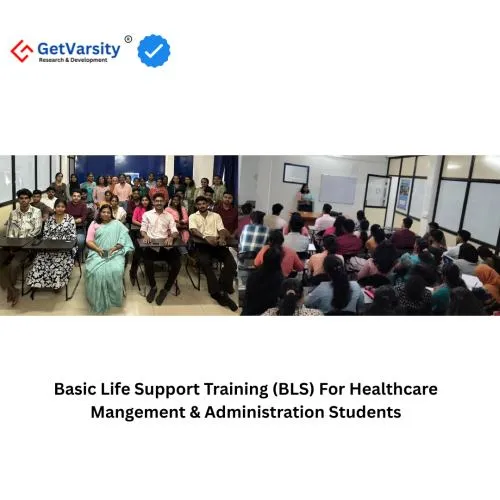
Yes, enrolled students receive crucial add-on qualifications, including Basic Life Support (BLS) Certification and a Senior Professional Certificate in First Aid.

Yes, the management of Biomedical Waste is a dedicated module within the training, alongside Safety and Risk Management.

Yes, SAP Software training (specifically MM, WM modules) for healthcare is available as an optional add-on certification.

The skill training is partnered with UGC-approved Skills Universities. Programs like the B.Voc, PG Diploma, and M.Voc are backed by UGC-recognized institutions and NCVET awarding bodies.

The National Credit Framework (NCrF) standardizes qualifications. The UG Diploma maps to NCrF Level 4.5 (40 Credits), while the PG Diploma maps to NCrF Level 6 (40 Credits), enabling seamless academic credit transfers.

Yes, certificate issued for IIRDC NCrF-aligned courses are securely stored/ verified in DigiLocker. Furthermore, students' earned credits are recorded in the Academic Bank of Credits (ABC).

Yes, credentials aligned to the IIRDC NCrF (NSQF/NHEQF) are valid and widely accepted for state and central government jobs where skill qualifications are mandated.

Yes, the NCrF (NHEQF/NSQF) certified programs are linked to global frameworks like the EQF, which eases foreign employment processes. The certificates are also eligible for Apostille Attestation, valid in over 150 countries.

Yes, GetVarsity conforms to rigorous international standards and is certified under ISO/IEC 17024:2012, ISO 21001:2018, ISO 9001:2015, and ISO 29993:2017.

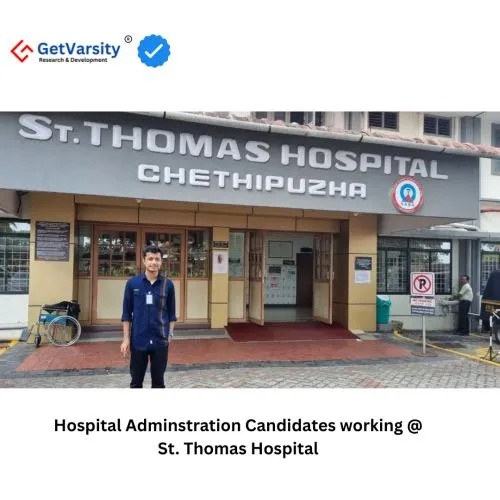
Getvarsity graduates have a strong track record of being placed in premier NABH-accredited facilities in Kerala, including Aster MIMS, Baby Memorial Hospital (BMH), Sunrise Hospital, Iqraa Hospital, and Caritas Hospital etc both in calicut, kochi and in most of keralas districts.

Yes, the curriculum uniquely includes a dedicated Placement Assistance and Career Development Module to ensure graduates seamlessly transition into the workforce.

The institution holds a No. 1 record in internship-integrated skill training, securing over 2000 internship placements in the 2023-2024 period.

The program prepares you to manage the human resources, financial aspects, and operations of a healthcare facility. Graduates are equipped to collaborate with doctors and paramedical staff in administrative and quality management roles.

Yes, fees can be paid via a single-time settlement or through an equal installment mode on a monthly basis, which must be completed during the theory sessions. No Cost EMI finance options are also available.

Yes, IIRDC NCrF-aligned skill programs are eligible for government skill education loans through schemes like NSDC and PM Vidya Lakshmi, often featuring no collateral and flexible repayment options.

Yes, eligible skill programs offered through Getvarsity qualify for GST exemptions.

Hospital administration focuses on managing day-to-day operations of hospitals and healthcare facilities — including staffing, budgeting, patient flow, quality compliance, and departmental coordination. Healthcare management is broader, covering entire health ecosystems including hospitals, clinics, insurance networks, pharmaceutical companies, and health-tech firms. Public health focuses on community-level health improvement through epidemiology, disease prevention, health policy, and population-level interventions. Hospital administration graduates typically work inside hospitals (operations manager, quality coordinator), healthcare management graduates work across the health ecosystem, and public health graduates work in government agencies, NGOs, and global health organisations. GetVarsity's course uniquely combines hospital administration with healthcare quality management, giving graduates dual competency.

NABH 6th Edition (released January 2024) is India's latest gold-standard hospital accreditation framework, evaluating hospitals across 10 chapters containing 651+ objective elements. It covers patient-centred standards (access, care, medication management, patient rights, infection control) and organisation-centred standards (facility management, HR, information management, quality improvement, governance). Hospitals must achieve minimum 80% overall compliance. Understanding NABH 6th Edition is critical because every NABH-accredited hospital requires trained administrators who can prepare documentation, implement SOPs, coordinate assessment surveys, and maintain continuous compliance. GetVarsity's NABH hospital internship gives students first-hand exposure to these accreditation processes

India's digital health transformation is creating entirely new career paths — the eSanjeevani telemedicine platform processed 282 million consultations between April 2023 and November 2025, and over 40% of Indian clinicians now use AI tools. New roles include Telehealth Operations Manager, Health Data Manager (ABHA health IDs, clinical data analytics), Digital Health Programme Coordinator (ABDM systems), Healthcare IT Project Manager (EHR, AI diagnostics), and Patient Experience Manager for omnichannel care. Apollo, Manipal, Fortis, and Max Healthcare are actively hiring administrators with digital health literacy. GetVarsity's curriculum includes Healthcare IT Systems and Application of AI modules, positioning graduates for these emerging roles.

A Diploma (6 months) is a foundational programme for Plus Two graduates; a PG Diploma (12 months) is an advanced programme for graduates with dual certification; an MBA (2 years) is an academic master's degree costing INR 2–10 lakhs. GetVarsity's PG Diploma includes up to 6 months NABH hospital internship, 12+ professional certifications (BLS, First Aid, quality management), and 100% placement assistance — practical advantages most MBA programmes lack. For career-switchers and working professionals needing job-ready skills quickly, the PG Diploma offers faster ROI at a fraction of MBA cost.

Infection control (IPC) is the systematic approach to preventing healthcare-associated infections (HAIs) — which affect 5–10% of hospitalised patients globally and cost hospitals crores in extended stays and litigation. Hospital administrators ensure adequate hand hygiene infrastructure, oversee isolation protocols, manage PPE procurement, coordinate with Hospital Infection Control Committees, implement antibiotic stewardship programmes, and ensure compliance with NABH infection control standards and National IPC Guidelines. HAIs include surgical site infections, catheter-associated UTIs, central line bloodstream infections, and hospital-acquired MRSA. Administrators who understand IPC are essential for patient safety, NABH accreditation, and reducing hospital liability.

Yes, students who have completed Plus Two (+2) or 12th standard in any stream — Science, Commerce, or Arts — can directly enrol in the Diploma in Hospital Administration at GetVarsity without a bachelor's degree. The 6-month programme (600 hours) covers core hospital operations, patient care management, healthcare IT, and medical terminology, and includes practical hospital internship. After completing the Diploma, graduates can enter the workforce directly or upgrade to the 12-month PG Diploma. This makes hospital administration one of the most accessible healthcare career paths for young students in Kerala.

Healthcare Revenue Cycle Management (RCM) is the financial process tracking patient care from registration through final payment — inefficient RCM causes 5–15% revenue leakage in Indian hospitals. The complete cycle includes patient registration, insurance verification, charge capture, medical coding (ICD-10, CPT), claims submission, payment posting, denial management, and collections. GetVarsity covers the complete revenue cycle, TPA coordination, Ayushman Bharat billing, CGHS/ECHS processing, and financial reporting. RCM specialists are among the highest-demand roles, with dedicated positions paying INR 4–8 LPA at entry level.

Patient rights form a core NABH accreditation chapter — including informed consent, privacy of medical records, right to second opinion, right to refuse treatment, right to emergency care, and right to complaint redressal. Hospital administrators handle patient grievances, informed consent documentation, and complaints that can escalate to Consumer Protection Act 2019 cases or National Consumer Disputes Redressal Commission complaints. Understanding patient rights and ethical frameworks helps administrators implement proper documentation, grievance mechanisms, and compliance protocols that protect both patients and the hospital from litigation.

ABDM is India's national digital health infrastructure creating unique ABHA health IDs (650+ million created by 2026), enabling digital health records, and establishing the Health Facility Registry and Healthcare Professionals Registry. Hospital administrators register facilities on HFR, integrate hospital management systems with ABDM APIs, ensure digital record-keeping compliance, manage consent-based health data sharing, and train departments on digital workflows. ABDM integration is becoming a de facto requirement for government empanelment. GetVarsity's Healthcare IT modules prepare graduates for this digital transformation across India's 70,000+ hospitals.

Healthcare HR is uniquely complex because hospitals operate 24/7/365 with multiple shift patterns, and staff shortages directly impact patient safety. Administrators handle workforce planning, duty roster creation (ensuring nurse-to-patient ratios per NABH standards), credential verification for medical professionals, performance appraisal, training coordination, employee grievance handling, and compliance with working hour regulations. In Kerala, nursing staff retention is especially challenging due to Gulf migration, making effective HR management a highly valued skill. GetVarsity's NABH internship provides hands-on exposure to real hospital HR and scheduling workflows.


Kerala is India's Ayurveda capital with over 3,000 registered Ayurveda hospitals, clinics, and wellness centres generating significant domestic and international tourism revenue. These centres require the same operational management — patient registration, scheduling, herbal medicine inventory, therapist scheduling, financial management, quality assurance, and AYUSH Department regulatory compliance. Ayurveda hospitals seeking NABH Ayush accreditation need trained administrators. GetVarsity's modules on patient care, supply chain, marketing, and finance directly translate to managing Panchakarma centres and wellness resorts — a thriving employment sector unique to Kerala.

The Clinical Establishments Act 2010 mandates registration and minimum standards for all clinical establishments in India — Kerala adopted it through the Kerala Clinical Establishments Rules 2018. Requirements include mandatory registration with District Medical Office, display of rates, maintenance of electronic medical records, minimum infrastructure and manpower standards, and grievance redressal mechanisms. Non-compliance attracts fines up to INR 5 lakhs and registration cancellation. GetVarsity's Hospital Law & Legal Aspects module covers this Act alongside CPA 2019, PCPNDT Act, Mental Healthcare Act, and other healthcare legislation.

Patient flow management is the systematic coordination of patient movement through a hospital — from registration and triage through consultation, diagnostics, treatment, and discharge. Strategies include queue management systems (token-based and digital), appointment scheduling optimisation, bed management dashboards (real-time occupancy tracking), discharge planning starting at admission, fast-track pathways, and lean management principles. Poor patient flow causes long waits, overcrowded ERs, delayed surgeries, and low satisfaction scores. GetVarsity's Management of Clinical Services and Patient Care Management modules teach practical flow optimisation techniques.

JCI is the world's most prestigious hospital accreditation standard, recognised in 100+ countries — leading Indian hospitals like Apollo, Fortis, Max, and Manipal pursue JCI to attract international patients. JCI evaluates International Patient Safety Goals, measurable elements across 14 chapters, and sentinel event reporting. Hospital administrators coordinate JCI readiness — gap analysis, SOP implementation, staff training, documentation management, and mock surveys. GetVarsity's quality management curriculum aligns with both NABH and JCI standards, preparing graduates for roles in JCI-accredited hospitals in India and the Gulf.

Hospital marketing is the strategic process of building reputation, patient trust, and market differentiation while adhering to ethical advertising regulations. GetVarsity's module covers digital marketing for hospitals (SEO, social media, Google Business Profile), patient experience management and online reputation (Google Reviews, Practo ratings), community health outreach, referral network development, medical tourism marketing, and CSR-driven branding. With Kerala's 350+ hospitals competing for patients, marketing-savvy administrators who can increase OPD footfall and attract medical tourism patients are exceptionally valuable. This module is rarely found in competitor courses.

Hospital administration is one of the best and most inclusive career paths for women — hospitals are among the most gender-balanced workplaces in India. The healthcare sector offers stable, recession-proof employment with structured progression. In Kerala, where female literacy exceeds 96%, opportunities include patient relations, quality coordination, HR management, medical records, health insurance, and front office leadership. Many women returning after career gaps find hospital administration ideal because hospitals value interpersonal skills, organisational abilities, and empathy. GetVarsity's flexible learning modes make the course accessible at every life stage.

Hospital administrators play a command-and-control role during disasters — Kerala experienced devastating floods in 2018/2019 and was India's first state to battle COVID-19, underscoring the importance of healthcare preparedness. Responsibilities include developing Hospital Disaster Management Plans (HDMP) as mandated by NABH, coordinating mass casualty triage (START system), managing surge capacity, ensuring continuity of essential services (power, water, oxygen, pharmaceuticals), coordinating with district disaster authorities (DDMA/SDMA), and conducting regular mock drills. NABH 6th Edition includes specific standards for disaster preparedness.

Hospital administration interviews assess both technical knowledge and situational management skills. The most common questions: What do you understand about NABH/JCI accreditation? How would you handle a patient complaint about a doctor? Explain revenue cycle management. How would you reduce OPD waiting times? What steps for NABH accreditation preparation? How do you resolve medical staff vs administration conflicts? Describe biomedical waste management rules. How would you implement a new HIS? What's your approach to hospital finance and cost control? How would you handle a disaster situation? GetVarsity's curriculum and NABH internship prepare candidates to answer with real-world examples.

India's health insurance sector grows at 25%+ annually, and insurance billing represents 30–50% of hospital revenue, making insurance management one of the most in-demand skills. GetVarsity covers TPA empanelment and claims processing, cashless hospitalisation workflow (pre-auth, enhancement, final claim), Ayushman Bharat PM-JAY billing, CGHS/ECHS processing, Group Mediclaim management, denial management and appeals, and insurance audit preparation. Dedicated TPA Coordinator and Insurance Manager roles pay INR 3–6 LPA at entry level. Every hospital needs administrators who can manage these processes efficiently.

Kerala has 38 medical colleges with several new ones announced, and multiple super-speciality centres developing in Kochi, Thiruvananthapuram, Kozhikode, and Thrissur. Each new hospital requires a complete administrative team. Kerala Health Authority's Digital Health initiatives and Medical Value Travel Vision 2030 (targeting INR 5,000 crore revenue) create specialised demand for administrators with digital health and international patient management skills. With 700+ healthcare jobs on Indeed for Kerala at any given time, the state offers one of India's strongest job markets for hospital administration graduates.

HIS are integrated software platforms managing every hospital operation — registration, appointments, EHR, lab systems, radiology, pharmacy, billing, and reporting. GetVarsity trains students in HIS architecture, vendor evaluation, implementation project management (change management, data migration), data security and privacy compliance, MIS reporting for decision-making, and ABDM integration. With NABH requiring electronic documentation and ABDM mandating digital health records, administrators who can manage healthcare IT are commanding INR 5–12 LPA as every hospital undergoes digital transformation.

In practice, hospital administration and hospital management are used interchangeably in India. Subtle distinction: administration traditionally emphasises operational and regulatory functions (day-to-day operations, compliance, medical records, facility management), while management has broader strategic focus (healthcare policy, strategic planning, financial management, leadership). GetVarsity bridges both by combining operational skills with strategic quality management. In the Indian job market, both terms are accepted interchangeably — what matters most to employers is practical competency, which is why NABH internship and multiple certifications give graduates an edge regardless of terminology.

Medication management is a NABH 6th Edition core chapter — hospital pharmacy represents 20–30% of total expenditure, making it a major cost-control lever. The curriculum covers pharmacy store management (procurement, storage, expiry tracking), formulary management, medication safety (5 Rights: right patient, drug, dose, route, time), controlled substance management (NDPS Act compliance), drug interaction monitoring, adverse drug reaction reporting, and pharmacy automation. Administrators who understand medication workflows reduce drug wastage, prevent costly errors, ensure regulatory compliance, and improve patient safety scores during NABH assessments.

Hospital administration requires a unique blend of technical knowledge and interpersonal skills because administrators interact with doctors, nurses, patients, families, insurers, vendors, and regulators. Essential skills: empathetic communication, conflict resolution, leadership across shifts, crisis communication, vendor negotiation, cultural sensitivity (medical tourism), and decision-making under pressure. GetVarsity develops these through NABH internship (real stakeholder interactions), Viva Voce assessments (situational response testing), and the Career Development Module (interview preparation, professional communication training).

Yes, hospital administration skills are directly transferable to diagnostic centres, pathology labs, imaging centres, dialysis centres, IVF clinics, and dental chains. These facilities need the same core competencies — registration, billing, insurance, quality compliance, staff scheduling, and regulatory adherence. Diagnostic chains like SRL, Dr. Lal PathLabs, Thyrocare, and Metropolis actively recruit administration graduates. In Kerala, standalone lab chains are expanding rapidly, and NABL accreditation requires trained administrative personnel — similar to NABH for hospitals. GetVarsity's broad curriculum prepares graduates for leadership across all healthcare delivery settings.

GetVarsity's NABH hospital internship rotates students through 10–15 key departments including Front Office, OPD, IPD, Medical Records, Billing/Insurance, Pharmacy, Laboratory, OT/CSSD, HR, Quality Assurance, Housekeeping, Biomedical Waste, Stores, and IT/HIS. Each rotation lasts 1–3 weeks, giving students hands-on understanding of end-to-end hospital workflows. This multi-departmental exposure is critical because hospital administrators must coordinate across all departments — unlike clinical roles confined to a single speciality but its hospitals decision where to put students during internship, some hospitals rotate students , in some hospitals students have to request HR department to change their department . GetVarsity's internship is conducted in NABH-accredited hospitals, ensuring students learn processes that meet India's gold-standard accreditation requirements.

A hospital administrator's typical day begins with a morning huddle reviewing overnight incidents, bed census (target occupancy: 75–85%), and OPD volumes, followed by departmental rounds, vendor meetings, committee sessions, and patient grievance management. Mid-morning involves checking patient flow bottlenecks, staff attendance, and housekeeping compliance. Afternoon focuses on Quality Committee or Infection Control Committee meetings, insurance TPA follow-ups, and MIS report reviews. Evening includes discharge summary review and night-shift handover protocol oversight. Emergency situations — equipment breakdowns, VIP admissions, adverse events — require immediate intervention at any time. This dynamic role is why GetVarsity emphasises practical internship over classroom-only learning.

Hospital administrators track KPIs across operational (Bed Occupancy Rate target 75–85%, ALOS benchmark 2–3 days, Bed Turnover Rate 40–50/year), clinical (HAI Rate below 2%, Readmission Rate below 5%), financial (Revenue Per Occupied Bed, AR Days below 45), and patient experience (NPS, Satisfaction Score above 85%) domains. Additional metrics include OPD-to-IPD Conversion Rate (8–15%), Surgical Site Infection Rate, Insurance Claims Rejection Rate (target below 5%), and Complaint Resolution Time. NABH mandates tracking quality indicators across all these domains. GetVarsity's curriculum includes dedicated healthcare MIS and data analytics training to prepare students for metrics-driven hospital management.

Yes, hospital administration training provides the complete operational blueprint for starting healthcare businesses — from diagnostic lab franchises (Dr. Lal PathLabs: INR 15–30 lakhs investment, Thyrocare: INR 5–10 lakhs) to home healthcare companies (market growing at 19% CAGR, projected INR 20,614 crore by 2027). Other opportunities include telemedicine platforms, dialysis centre chains, physiotherapy centres, medical equipment rental, healthcare staffing agencies, and Ayurveda wellness tourism ventures in Kerala. Administrators understand regulatory compliance (Clinical Establishments Act, FSSAI, AERB, PNDT Act), business planning, vendor management, insurance empanelment, and quality systems. GetVarsity's entrepreneurship-ready curriculum and industry network help graduates transition from employment to business ownership.

PMJAY is the world's largest government-funded health insurance scheme covering 55 crore beneficiaries with cashless treatment up to INR 5 lakh per family, with 36,229+ hospitals empanelled as of 2026. Hospital administrators manage the entire empanelment lifecycle: NHA portal applications, infrastructure compliance, ABHA integration, pre-authorisation via Transaction Management System (TMS), ICD-10 package-rate coding, fraud prevention documentation, and NHA inspection readiness. PMJAY revenue constitutes 15–40% of income for tier-2/3 city hospitals. GetVarsity covers government insurance schemes including PMJAY, CGHS, and ECHS in its healthcare finance modules.

Hospital administrators coordinate 12–15 mandatory committees required by NABH accreditation — including Hospital Infection Control Committee (HICC), Quality Improvement Committee, Medical Records Committee, Pharmacy & Therapeutics Committee, Ethics Committee, and Patient Safety Committee. Additional committees include Transfusion Committee, Code Blue Committee, Grievance Redressal Committee, Disaster Management Committee, Nutrition Committee, and Anti-Ragging Committee. Administrators serve as Member Secretary for most — scheduling meetings, preparing agendas, recording minutes, tracking action items, and reporting to leadership. The Patient Safety Committee analyses near-miss events using Root Cause Analysis (RCA). Effective committee management is a core NABH compliance requirement.

Medical Records Management (MRM) involves systematic creation, storage, retrieval, and disposal of patient health records using ICD-10-CM for diagnosis coding and ICD-10-PCS for procedure coding — directly impacting hospital revenue, legal compliance, and quality metrics. Insurance claims depend on correct coding, medical records are legal documents admissible in court, and disease surveillance relies on standardised data. NABH mandates complete, timely medical records with defined retention periods (3–5 years for adults, up to 21 years for paediatric records). GetVarsity's Health Information Management module trains students in both paper-based and electronic systems, ICD coding fundamentals, and MRD workflow optimisation.

Hospital facility management encompasses building maintenance, biomedical equipment (preventive maintenance, calibration, AMCs), utility systems (medical gas pipelines, HVAC with 15–25 air changes/hour in OTs), fire safety (National Building Code 2016), and waste management (BMW Rules 2016 — yellow, red, white, blue segregation). NABH dedicates an entire core chapter — Facility Management and Safety (FMS) — to these standards. Administrators manage DG backup, water treatment, CCTV surveillance, access control, and safety audits. GetVarsity's facility management module covers all NABH FMS standards, teaching students to create preventive maintenance calendars, conduct safety audits, and ensure 24/7 operational readiness.

Patient satisfaction surveys measure patient experience across admission, nursing care, doctor communication, cleanliness, food quality, billing transparency, and discharge — NABH mandates regular assessment with a target score above 85%. Administrators design and analyse surveys using HCAHPS-adapted questionnaires, Net Promoter Score (NPS), real-time feedback kiosks, post-discharge telephonic surveys, and Google/Practo review monitoring. When scores drop — for example nursing communication below 80% — administrators initiate targeted training via PDCA (Plan-Do-Check-Act) cycles. High satisfaction scores impact hospital reputation, Google ratings, medical tourism referrals, and NABH compliance.

Hospital administration offers a clear 15–20 year progression: Entry (INR 2.5–4.5 LPA) → Junior Manager (INR 4.5–7 LPA, years 2–5) → Department Head (INR 7–12 LPA, years 5–8) → Associate Director (INR 12–20 LPA, years 8–12) → Hospital Director/COO (INR 20–40 LPA, years 12–18) → CEO (INR 40–80+ LPA in Apollo/Manipal/Fortis chains). Entry-level roles include Front Office Executive, Quality Coordinator, MRD Executive, and Insurance Coordinator. Mid-career roles include Operations Manager, Quality Manager, and Revenue Cycle Manager. GetVarsity's dual certification (administration + quality management) accelerates this timeline by 2–3 years compared to single-track programmes.

Yes, freelance healthcare consulting is a growing career path — NABH accreditation consulting alone commands INR 3–15 lakhs per project, with experienced consultants earning INR 10–15 lakhs for full preparation cycles. Other consulting opportunities include hospital startup feasibility studies, process improvement (Lean/Six Sigma), health insurance/TPA advisory, medical tourism facilitation, hospital IT implementation, and regulatory compliance consulting. The growing number of hospitals seeking NABH accreditation (3,000+ already accredited out of 70,000+ hospitals) creates sustained demand. GetVarsity graduates with NABH internship experience and quality management certification have a strong foundation for consulting careers after 3–5 years of industry experience.

Hospital administration is an excellent second-career option for retired military personnel and ex-servicemen — defence backgrounds bring directly transferable skills in leadership, crisis management, logistics, compliance discipline, and workforce management. Specific advantages include familiarity with ECHS (Ex-Servicemen Contributory Health Scheme), understanding of chain-of-command structures similar to hospital hierarchies, and disaster/emergency response experience. Many private hospitals in Kerala actively recruit ex-defence personnel for facility management, security coordination, and administrative leadership. GetVarsity's flexible online + internship model accommodates retired professionals, and the course provides civilian healthcare credentialling that complements military experience.

Multi-speciality hospitals (100–500+ beds, 10–25 departments) require administrators to manage complex interdepartmental coordination, while single-speciality centres (cardiac, eye, cancer, orthopaedic) demand deep domain expertise in specialised workflows. Multi-speciality administrators manage multiple OT schedules, diverse protocols, large workforces (500–3,000+ staff), and varied profitability margins across departments. Single-speciality administrators focus on niche equipment management and speciality-specific quality indicators. Kerala has both models: large chains (Aster Medcity, KIMS, Lakeshore) and renowned centres (Aravind Eye Trivandrum, SCTIMST, Malabar Cancer Centre, Amrita Spine Centre). GetVarsity's comprehensive curriculum prepares graduates for both settings.

Hospital administrators are the operational backbone of epidemic response — Kerala's experience with Nipah virus (2018, 2019, 2023) and India's first COVID-19 case (January 2020) demonstrated the critical need for trained healthcare managers. Responsibilities include activating Hospital Incident Command System (HICS), establishing isolation ward and negative pressure room management, managing surge capacity (converting wards to ICU), coordinating PPE procurement (10x normal volumes during COVID), implementing screening/triage protocols, managing staff rotation to prevent burnout and cross-infection, and liaising with District Medical Officer (DMO) and IDSP. Kerala's epidemic preparedness model is now a national benchmark.

Hospital supply chain management controls the flow of medical supplies, pharmaceuticals, and equipment from vendors to patient bedside — representing 30–40% of total operating costs, making it the largest non-salary expense. Key processes include demand forecasting, vendor evaluation, purchase order management (GeM portal for government hospitals), ABC/VED inventory analysis, cold chain management (vaccines, biologicals), NDPS Act compliance for narcotics, FIFO/FEFO expiry management, and consumption tracking. Inefficient supply chains cause stockouts contributing to 15% of adverse events. NABH evaluates procurement processes across multiple standards. GetVarsity's Stores Management module trains students in both manual and software-based inventory systems.

CSSD is responsible for cleaning, disinfecting, sterilising, and distributing all reusable medical instruments — sterilisation failures directly cause surgical site infections (SSIs) affecting 2–5% of surgical patients, costing INR 50,000–5,00,000 per infection. The workflow includes decontamination, ultrasonic cleaning, packaging with chemical indicators, autoclave sterilisation (134°C for prion decontamination), ETO sterilisation for heat-sensitive items, biological indicator testing (weekly spore tests), sterile storage, and traceability documentation. NABH 6th Edition mandates CSSD quality monitoring. Administrators manage staffing, autoclave maintenance (INR 15–50 lakhs per unit), supply procurement, and quality audits. GetVarsity's internship includes dedicated CSSD rotation.

Hospital dietary services management serves 3–4 meals daily to hundreds of patients with diverse therapeutic diet requirements — a specialised area where hospital administration and food safety knowledge intersect, with food cost targets of INR 150–300 per patient per day. Administrators oversee menu planning with clinical dietitians (diabetic, renal, cardiac, soft, liquid, high-protein diets), HACCP-based kitchen operations, FSSAI licence compliance, temperature monitoring, food handler training, and patient meal distribution logistics (ensuring correct diet reaches correct patient — a patient safety issue). NABH assesses dietary services under Patient Care and Facility Management chapters. GetVarsity's dual expertise in healthcare administration and food safety is uniquely valuable.

Clinical pathways are standardised, evidence-based multidisciplinary treatment plans for specific conditions — such as total knee replacement, acute MI, or pneumonia — that typically reduce ALOS by 15–30%, lower complications by 10–20%, and achieve 15–25% cost savings per case. Administrators coordinate pathway development with medical staff, integrate pathways into HIS for real-time tracking, monitor variance reports, and analyse outcomes data (ALOS reduction, complication rates, readmission rates, cost per case). NABH encourages clinical pathway implementation as part of continuous quality improvement. GetVarsity's quality management curriculum covers pathway development methodology and variance analysis.

NABH accreditation preparation typically takes 12–18 months for fresh applications and 6–9 months for re-accreditation, progressing through Gap Analysis (months 1–2), Documentation (months 2–6, developing 200+ SOPs), Implementation (months 4–12), Pre-Assessment with mock surveys (months 10–14), and final Assessment (2–4 assessors over 3–5 days). Gap analysis compares current practices against all 651+ objective elements across 10 chapters. Implementation involves staff training, quality indicator monitoring, committee formation, incident reporting systems, and internal audits. Hospital administrators typically lead this entire preparation as NABH Coordinator — one of the most high-value roles in healthcare quality. GetVarsity graduates can enter hospitals directly as accreditation coordinators.

Blood bank management is a high-risk, highly regulated area — licensing under Drugs and Cosmetics Act 1940, component storage at precise temperatures (whole blood 2–6°C, platelets 20–24°C, FFP at -30°C), and 35-day shelf life requiring careful inventory management. Administrators coordinate donor recruitment, blood component separation, cross-matching quality assurance, transfusion reaction monitoring (NABH mandates haemovigilance), and Transfusion Committee reviews (target crossmatch-to-transfusion ratio below 2.5:1). Compliance with National Blood Transfusion Council (NBTC) guidelines is mandatory. Blood bank mismanagement can lead to fatal reactions, licence revocation, and criminal prosecution. GetVarsity's clinical services module covers transfusion safety systems.

Healthcare MIS (Management Information Systems) transforms raw hospital data into actionable insights — NABH requires data-driven quality indicator review, making analytics literacy essential for modern hospital administrators. Administrators use dashboards to track bed census, department-wise revenue, OPD/IPD volumes, insurance rejection patterns, staff productivity (nurse-to-patient ratios), quality indicators (infection/mortality/readmission rates), patient satisfaction trends, and procurement forecasts. Modern hospitals integrate BI (Business Intelligence) tools with HIS platforms for automated reporting. Administrators interpret reports to identify bottlenecks, revenue leakage, quality gaps, and staffing inefficiencies. GetVarsity's Healthcare IT Systems module equips students with data literacy that distinguishes top administrators from routine operational staff.

Kerala attracts 500,000+ international patients annually and targets INR 5,000 crore in medical value travel revenue by 2030 — creating strong demand for administrators with international patient management expertise. Responsibilities include medical visa documentation, international insurance coordination (Allianz, Bupa, Cigna, Gulf providers), multilingual communication (Arabic, Russian interpreters), JCI compliance for Middle Eastern patients, medical tourism package design (treatment + Ayurveda + tourism bundling), international billing with currency conversion, and air ambulance logistics. Kerala's advantages — 60–80% lower costs than US/UK, English-speaking staff, Ayurveda integration, NABH/JCI hospitals (Aster Medcity, KIMS, Lakeshore) — make it India's premier medical tourism destination. GetVarsity's Kerala location and Gulf placement network uniquely position graduates.

Hospital legal compliance spans 25+ regulatory frameworks — Clinical Establishments Act 2010 (Kerala adopted 2018), Consumer Protection Act 2019, PCPNDT Act, MTP Act 2021, THOTA 1994, Mental Healthcare Act 2017, BMW Rules 2016, Drugs & Cosmetics Act 1940, and state nursing home regulations. Administrators handle medicolegal documentation (assault, poisoning, accident cases requiring mandatory police intimation), death summary procedures, post-mortem coordination, organ donation consent, and court summons response. Legal non-compliance can result in licence cancellation, criminal prosecution, or crore-level compensation orders by consumer courts. GetVarsity's Hospital Law and Ethics module provides practical compliance training protecting both patients and hospitals.

The job outlook is exceptionally strong — India's healthcare market is projected to reach $372 billion by 2030 at 22% CAGR. Fresher salaries: Kerala INR 2.5–4.5 LPA (progressing to INR 5–7 LPA in 2–3 years), Metro India INR 3–6 LPA, Gulf AED 5,000–10,000/month tax-free (effective 2–3x Indian CTC). Growth drivers include 70,000+ hospitals needing professional administrators, mandatory NABH push by insurers, Ayushman Bharat expansion, digital health transformation, and 80+ new medical colleges. Corporate chains (Apollo 10,000+ beds, Fortis, Max, Narayana Health, Manipal) are expanding aggressively. GetVarsity's IIRDC NHEQF certification with apostille attestation enables career mobility across 150+ countries.

Kochi (Ernakulam) is Kerala's healthcare capital with 15+ major hospitals — Aster Medcity (800 beds, JCI-accredited), Lisie Hospital (1,100 beds), Medical Trust Hospital (750 beds), Lourdes Hospital (670 beds), VPS Lakeshore, Amrita Hospital (1,300+ beds), and Apollo Adlux (300 beds), Sunrise Hospital, Renai Medicity, Indra Gandhi Cooperative Hospital. These hospitals collectively employ 500+ administrative staff across front office, quality, billing, HR, MRD, and operations departments. General Hospital Ernakulam (783 beds) adds a government sector opportunity. GetVarsity's placement network connects graduates directly with HR departments of NABH-accredited hospitals in Kochi, making Ernakulam the highest-opportunity zone for hospital administration careers in Kerala.

Calicut is North Kerala's largest healthcare hub — Aster MIMS (600 beds, NABH), Baby Memorial Hospital (490 beds, 100 ICU beds), Meitra Hospital (quaternary care, 52 ICU beds), Iqraa Hospital (436 beds, NABH + NABL), Government Medical College Kozhikode (1,550 beds), and National Hospital (400 beds). North Kerala's healthcare corridor from Kozhikode through Kannur to Kasaragod is rapidly expanding with 500+ healthcare job openings across the Malabar region. Fresher salaries start at INR 1.5/ 2.5–5 LPA. GetVarsity provides dedicated placement support for graduates targeting Calicut, Kannur, and the wider North Kerala market.

Malappuram is Kerala's most populous district (44.46 lakh, 2026) growing at 3.8% annually, with INR 114.92 crore in healthcare infrastructure projects inaugurated in August 2025 alone — including a new Interventional Radiology Block at Government Medical College Manjeri, a INR 33.7 crore cancer care building at Tirur, and OPD expansion at Perinthalmanna. Major private hospitals (MES Medical College, KIMS Al Shifa Perinthalmanna, Malabar Hospital) are also expanding. Each new facility requires trained hospital administrators for operations, quality, billing, and compliance. Malappuram's healthcare boom makes it one of Kerala's top districts for hospital administration job growth through 2030.

Thiruvananthapuram combines world-class hospitals — KIMSHEALTH (650+ beds, India's top 10), SCTIMST (national super-speciality), Government Medical College (3,000+ beds) — with government healthcare headquarters (DHS Kerala, NHM Kerala, State Health Agency), creating Kerala's most diverse hospital administration job market. Other employers include SK Hospital, Ananthapuri, SUT Hospital, Cosmopolitan, and PRS Hospital. Trivandrum uniquely offers government policy and programme management roles alongside clinical hospital positions. Technopark also generates health-tech startup opportunities. GetVarsity graduates can target both frontline hospital roles and state-level healthcare administration in the capital.

hrissur has 20+ major hospitals creating consistent administrator demand — Amala Institute of Medical Sciences (1,000+ beds, 735+ KASP procedures annually), Jubilee Mission Medical College (NABH-accredited teaching hospital), Government Medical College Thrissur, Mother Hospital, Daya Hospital, Elite Mission Hospital, and Westfort Hospital. As central Kerala's referral hub serving Palakkad, Malappuram, and Idukki, Thrissur handles high patient volumes. The district also has a concentration of Ayurveda hospitals (Vaidyaratnam, Kottakkal-affiliated centres) needing administrators who understand both modern and traditional systems. Freshers in Thrissur can expect INR 2.4–4 LPA starting salaries.

Kannur and Kasaragod are an emerging healthcare growth corridor — AKG Memorial Cooperative Hospital (India's largest cooperative hospitals, 609+ KASP procedures annually), Aster MIMS Kannur (NABH), Government Medical College Pariyaram, and the recently established Government Medical College Kasaragod are driving demand. Kasaragod, historically underserved, is seeing rapid healthcare expansion. Kannur International Airport has boosted NRI healthcare demand. These districts have fewer trained administrators than Kochi or Calicut — meaning less competition and faster career growth for GetVarsity graduates. Entry-level starts at INR 2.2–3.8 LPA in both cooperative and private systems.

Kerala has India's strongest cooperative hospital network — hospitals owned by cooperative societies rather than private promoters, with 500+ job listings in Calicut region alone on Indeed, including District Cooperative Hospitals across all 14 districts. Major cooperative hospitals: AKG Memorial (Kannur), Thalassery Cooperative Hospital, and district-level cooperatives in Calicut, Kasaragod, and Malappuram. Administrators manage a unique governance structure — coordinating between elected committee members, medical directors, and staff under Kerala Cooperative Societies Act. They handle democratic decision-making, member-patient relations, and surplus reinvestment alongside standard healthcare operations. GetVarsity prepares graduates for this Kerala-specific model.

KASP is Kerala's flagship health insurance scheme providing INR 5 lakh annual coverage to 42 lakh families (64 lakh beneficiaries), converging RSBY, CHIS, Senior Citizen Insurance, and Karunya Benevolent Fund with Ayushman Bharat PM-JAY, covering 1,573 medical procedures. KASP constitutes 20–40% of revenue for empanelled hospitals. Top utilisers: NS Memorial Kollam (848 procedures), Amala Institute Thrissur (735), AKG Hospital Kannur (609). Administrators manage SHA empanelment, pre-authorisation, procedure coding, claims settlement, and audit compliance. Kerala recently cracked down on illegal patient charges under KASP. GetVarsity's healthcare finance module covers KASP, PMJAY, CGHS, and ECHS comprehensively.

Kerala consistently has 700–800+ active healthcare job listings — Glassdoor shows 720+ healthcare jobs, Indeed lists 200+ hospital management vacancies, and the cooperative sector alone lists 500+ positions in the Calicut region. Roles include Hospital Operations Executive, NABH Quality Coordinator, Front Office Manager, MRD Executive, Insurance/TPA Coordinator, Healthcare HR Executive, Billing Manager, Patient Relations Officer, and Facility Manager. District demand: Ernakulam (Kochi) leads, followed by Kozhikode, Thiruvananthapuram, Thrissur, and Malappuram. Entry-level: INR 15,000–23,000/month, scaling to INR 4–7 LPA with 2–3 years experience. GetVarsity's 100% placement assistance connects graduates across all 14 districts.

Yes, GetVarsity's flexible learning model combines online theory modules (accessible from any Kerala location) with practical NABH hospital internship arranged near your city — enabling working professionals to complete the 6-month Diploma or 12-month PG Diploma without leaving their job. This is valuable for nurses, pharmacists, lab technicians, and front office staff already in Kerala hospitals who want to transition to higher-earning administrative roles. Unlike competitors requiring full-time attendance in Bangalore, GetVarsity eliminates relocation costs and salary loss. Many Kerala students continue earning while upgrading qualifications, making the course financially accessible even without EMI.

Kollam has one of Kerala's most developed healthcare sectors with 3 medical colleges, NS Memorial Hospital (Kerala's highest KASP utilisation at 848 procedures), and Bishop Benziger Hospital (NABH). Alappuzha offers Government Medical College Alappuzha, Vandanam Medical College, and hospitals serving the backwater tourism belt. South Kerala uniquely combines healthcare with wellness tourism — administrators who can manage Ayurveda resorts, rehabilitation centres, and geriatric facilities alongside conventional hospitals have a competitive advantage. Kerala's 60+ population exceeds 16%, creating specific elder care demand. GetVarsity graduates are placed across South Kerala, with NS Memorial and Bishop Benziger as active recruitment partners.

Kerala has 38+ medical colleges with new ones being established — each requires 50–100+ administrative staff. Recent expansions: GMC Manjeri received INR 114.92 crore upgrade, Malabar Medical College sanctioned for 250 MBBS students (2025–26), new GMCs in Kasaragod and Idukki, and private expansions in Thrissur, Kollam, and Palakkad. Medical college hospitals (500–1,500 beds) are more complex than regular hospitals — they manage patient care, education, and research simultaneously, requiring administrators for academic coordination, NMC compliance, examination management, NAAC accreditation, hostel management, and research administration. GetVarsity's curriculum covers both clinical and teaching hospital administration.

NHM Kerala (Arogyakeralam) regularly recruits healthcare administrators as Block Programme Manager, District Programme Coordinator, Hospital Quality Manager, NCD Programme Officer, and IDSP Data Manager — positions paying INR 25,000–50,000/month with government benefits across all 14 districts. Responsibilities include managing PHC networks, CHC operations, sub-centre upgradation to Ayushman Arogya Mandirs, mobile medical unit coordination, and district health programme monitoring. NHM roles include RBSK Coordinator (child health), RKSK Manager (adolescent health), and Reproductive Health Coordinator. GetVarsity's curriculum covers government healthcare systems and quality frameworks applicable to both private and public sector roles.

Palakkad (Palghat) is Kerala's gateway district through the Palakkad Gap, serving cross-border patients from Coimbatore, Pollachi, and Western Tamil Nadu — requiring administrators skilled in multi-state insurance processing (KASP + Tamil Nadu CMCHIS), cross-state referral coordination, and multi-linguistic patient management. Major hospitals: Government Medical College Palakkad, KIMS Al Shifa, Ahalia Hospital, and District Hospital Palakkad. The district's Attappadi region has significant tribal populations needing community health outreach and mobile medical unit management. Graduates willing to work in Palakkad face less competition than Kochi/Calicut while gaining uniquely diverse operational experience.

Kottayam is Kerala's medical education powerhouse — Government Medical College Kottayam (established 1955) and Caritas Hospital (leading trauma centre, 650+ beds) are anchor institutions needing administrators for academic hospital management, NMC compliance, and research coordination. Idukki, Kerala's hill district, creates demand for administrators skilled in telemedicine coordination, mobile health unit management, CHC operations, and tribal healthcare programmes. Both districts form the Central Travancore referral backbone — patients flow from Idukki's primary care to Kottayam's tertiary care. MOSC Medical Mission Hospital and Lourde Hospital add private sector opportunity. GetVarsity places graduates in both urban and rural health management positions.

Kochi's tech ecosystem, powered by Kerala Startup Mission (KSUM — 6,400+ startups, INR 5,800 crore funding facilitated, 65,000 jobs created), is generating health-tech roles where hospital domain expertise meets technology innovation. Notable startups: Mykare Health (affordable elective surgery platform), SaaS platforms digitising hospital workflows ($2.1M raised from Accel/Arkam Ventures), and telemedicine platforms leveraging Kerala's 90%+ smartphone penetration. Roles include Health-Tech Product Manager, Hospital SaaS Implementation Specialist, Digital Health Programme Manager, and Healthcare Business Development Manager. Kochi's Technopark, Infopark, and SmartCity host these companies. GetVarsity graduates with dual hospital operations and healthcare IT competency are uniquely positioned.

Kerala's Ayurveda and wellness tourism industry generates INR 3,000+ crore annually with 3,000+ centres requiring professional administrators — Kottakkal Arya Vaidya Sala (est. 1902), Vaidyaratnam (Thrissur), Somatheeram (Kovalam, world's first Ayurveda resort), Nagarjuna Ayurveda, and CGH Earth wellness properties. Administrators manage Panchakarma scheduling, herbal medicine procurement and GMP compliance, international wellness tourist coordination (German, Russian, Middle Eastern markets), NABH-AYUSH accreditation, and traditional-modern healthcare integration. Key locations: Trivandrum-Kovalam (wellness hub), Thrissur-Kottakkal (traditional centres), Alleppey-Kumarakom (backwater wellness). Graduates understanding both systems have a unique Kerala niche advantage.

Kerala has thousands of small nursing homes (10–50 beds) in towns and panchayats that increasingly need trained administrators — the Kerala Clinical Establishments Act 2018 mandates registration, minimum infrastructure standards, rate display, and patient safety protocols for all facilities regardless of size. Small facility administrators handle everything: registration, billing, staff scheduling, vendor management, KASP/PMJAY empanelment, infection control, BMW compliance, and FSSAI kitchen compliance — often as a one-person administrative team. GetVarsity's practical training is especially valuable here because graduates learn comprehensive multi-functional operations. Many Kerala nursing home owners specifically seek administrators who can handle multiple roles independently.

Kerala has India's highest cancer incidence (150+ cases per 100,000 population), driving massive oncology investment — Regional Cancer Centre Trivandrum (450+ beds, India's premier), Malabar Cancer Centre Thalassery (Kannur), Amala Cancer Hospital Thrissur, Cochin Cancer Research Centre, and a new INR 33.7 crore cancer building at Tirur (Malappuram). Cancer centres need administrators for chemotherapy/radiotherapy scheduling, AERB radiation safety compliance, tumour board coordination, clinical trial administration, palliative care management, cancer registry data, and high-value insurance claims processing. Cancer treatment involves long patient journeys and complex multi-department coordination, making skilled administrators exceptionally valuable.


Yes — Kerala's 2.1+ million Gulf diaspora creates a direct placement pipeline. Key employers: Aster DM Healthcare (founded by Keralite Dr. Azad Moopen, 29 hospitals across GCC), VPS Healthcare (founded by Keralite Dr. Shamsheer Vayalil, 34 hospitals), NMC Healthcare UAE (10,000+ beds), SEHA Abu Dhabi, Saudi German Hospital, and Hamad Medical Corporation Qatar. Salaries: AED 5,000–12,000/month (INR 1.1–2.7 lakh/month) tax-free with accommodation, flights, and medical insurance — 2.5–3x Indian CTC. GetVarsity's IIRDC certification with apostille attestation is recognised across all GCC countries, and the Gulf recruitment network connects graduates with employers in Dubai, Abu Dhabi, Riyadh, Jeddah, Doha, and Muscat.

Kerala has India's highest elderly proportion (16.5%+ aged 60+, vs national 10.5%), projected to reach 20%+ by 2030 due to highest life expectancy (75+ years), lowest birth rate, and youth Gulf migration — creating India's most urgent geriatric care administrator demand. Facilities needing administrators: geriatric hospital wards, 700+ registered old-age homes, Kerala's globally-recognised palliative care network (1,000+ community programmes across 14 districts), dementia care facilities, post-stroke rehabilitation centres, and home healthcare services. Administrators manage fall prevention, poly-pharmacy management (elderly average 5–8 medications), assisted living compliance, and end-of-life care protocols. This high-growth niche has very few trained administrators in Kerala.

MEDISEP (Medical Insurance Scheme for State Employees and Pensioners) covers approximately 35 lakh government employees, pensioners, and dependents with cashless treatment at 479 empanelled hospitals across Kerala — adding a significant revenue stream to hospitals with efficient MEDISEP processing. Administrators manage empanelment with Kerala's Insurance Medical Services Directorate, pre-authorisation workflows, fixed package-rate compliance for 1,500+ procedures, claims processing with NIACL/Oriental Insurance, and audit documentation. Combined with KASP (42 lakh families) and PMJAY, Kerala's government schemes cover a massive share of the state's 3.5 crore population. GetVarsity's curriculum covers all three schemes — KASP, PMJAY, and MEDISEP.

Kerala reports India's highest suicide rate (26+ per 100,000) and faces significant substance abuse challenges, driving investment in mental health infrastructure — Government Mental Health Centre Trivandrum (800+ beds), Government Mental Health Centre Kozhikode, 14 District Mental Health Programmes, and growing private psychiatric facilities. Mental health administration is uniquely complex: managing involuntary admission under Mental Healthcare Act 2017, Mental Health Review Board compliance, heightened patient confidentiality, ECT documentation, substance abuse rehabilitation coordination, and community reintegration planning. This niche has very few trained administrators — GetVarsity graduates interested in mental health facility management have a significant first-mover advantage.

Kerala's megaprojects — Kochi-Mangalore Industrial Corridor, Vizhinjam International Seaport (Trivandrum), Kochi Metro expansion, Kannur Airport growth, SilverLine rail project, and Smart City initiatives — are catalysing healthcare expansion and new hospital construction across the state. Industrial corridors require occupational health centres, emergency facilities, and employee wellness programmes. New residential developments attract hospital chains — Aster DM Healthcare, KIMS Group, and Baby Memorial have announced expansion plans aligned with infrastructure growth. Each new 100-bed hospital creates 15–25 administrative positions. Kerala leads India in health insurance penetration (40%+), and mandatory quality standards compound job creation through 2030.

Hill district students gain unique career advantages — Wayanad (18% tribal population, Kerala's largest), Idukki, and highland Palakkad/Malappuram face healthcare access challenges that create urgent demand for administrators skilled in telemedicine, mobile health units, and community health programme management. Specific skills valued: connecting hill patients with Kochi/Calicut specialists via e-health, disaster preparedness (Wayanad landslides 2024, monsoon emergencies), tribal health programme management (Attappadi projects), and mobile unit scheduling across difficult terrain. GetVarsity's online model lets hill district students study from home while interning at nearest district hospitals — many return as the first professionally trained administrators in their communities, filling critical gaps.

A PG Diploma in Hospital Administration and Healthcare Quality Management is a 1,200-hour professional certification programme that trains graduates to manage hospital operations, ensure healthcare quality standards, and lead non-clinical administrative functions across healthcare facilities. The programme covers core disciplines including hospital operations management, NABH and JCI accreditation standards, healthcare finance and medical billing, Hospital Information Systems (HIS), healthcare law and ethics, biomedical waste management, medical tourism, and AI applications in healthcare. It is designed for graduates from any discipline — including arts, science, commerce, nursing, pharmacy, and paramedical backgrounds — who want to enter the healthcare management sector without clinical practice. GetVarsity's programme in Kerala is IIRDC–NCRF Level 6 aligned and includes a mandatory 6-month NABH hospital internship, dual certification pathways, DigiLocker integration with 40 ABC Skill Credits, and 100% placement assistance at leading hospitals across India and the Gulf.


GetVarsity's hospital administration course in Kerala accepts candidates from a broad range of educational backgrounds. The minimum entry requirement is a pass in Plus Two (+2) in any stream, making it accessible to science, commerce, and humanities students. Degree holders in any discipline are eligible, including graduates of GNM, ANM, DMLT, BMLT, BBA, B.Com, BA, B.Sc, B.Pharm, MBBS, BAMS, BHMS, BNYS, and Physiotherapy programmes. Working professionals currently employed in hospitals, clinics, diagnostic centres, or pharmaceutical companies who want to formalise or upgrade their healthcare management skills are also encouraged to apply. There is no upper age limit. For the PG Diploma (PGDM pathway), a bachelor's degree is required. For the Diploma pathway, a Plus Two qualification is sufficient. Both pathways include the 6-month NABH hospital internship and lead to IIRDC–NCRF credentials.

GetVarsity offers two programme durations for hospital administration in Kerala. The Diploma variant runs for 6 months (600 hours) covering core hospital management topics with a shorter internship component. The PG Diploma variant runs for 12 months (1,200 hours) and includes classroom instruction, hands-on hospital operations training, and a full 6-month NABH hospital internship at accredited facilities. Both programmes are available in offline (Kochi and Calicut campuses), online, hybrid, and on-the-job training modes. The PG Diploma pathway carries IIRDC–NCRF Level 6 alignment with 40 ABC Skill Credits on DigiLocker, while the Diploma pathway carries Level 4.5 alignment. Students can choose dual certification pathways: Pathway A (PGDM + PG Skill HMA) or Pathway B (PDHA + Advanced Skill HMA), each running for 12 months with concurrent academic and skill certifications.

The 6-month NABH hospital internship is a structured, supervised placement at NABH-accredited hospitals where students gain hands-on experience in real healthcare administration. During the internship, students rotate through departments including front office operations, patient admissions, medical records, billing and insurance processing, quality management, HR, pharmacy, and facilities management. Each intern is assigned a hospital supervisor who evaluates their performance across defined competencies. The internship culminates in an official internship completion certificate that forms part of the programme assessment. GetVarsity has internship partnerships with major Kerala hospitals including Sunrise Hospital, Rajagiri Hospital, Caritas Hospital, Indira Gandhi Co-operative Hospital, KIMS, Aster Medcity, Apollo, Malabar Hospital, and Lakeshore. This extended practical training is the single most differentiating feature of GetVarsity's programme compared to purely classroom-based hospital administration courses available elsewhere in India.

Graduates of a hospital administration course can pursue 40+ career paths across clinical and non-clinical healthcare functions. Entry-level roles include Front Desk Executive, OPD Executive, Ward Secretary, Billing Executive, Medical Records Executive, Patient Care Coordinator, and Hospital Receptionist. Mid-level positions include NABH Coordinator, Healthcare Quality Manager, Medical Tourism Coordinator, Healthcare HR Executive, Health Insurance Specialist, and Hospital IT Manager. Senior and leadership roles include Hospital Operations Manager, Revenue Cycle Director, Healthcare Compliance Officer, Hospital Administrator, and Hospital CEO. Beyond traditional hospitals, graduates find employment in diagnostic chains, pharmaceutical companies, health insurance firms, medical tourism agencies, public health departments (NHM, ESIC, CGHS), and healthcare startups. Entrepreneurial paths include hospital consulting, medical billing firms, and healthcare facility setup services. Major recruiters include Aster, KIMS, Apollo, Manipal, Narayana Health, Fortis, and Gulf hospital chains.

NABH (National Accreditation Board for Hospitals & Healthcare Providers) is the quality accreditation body under the Quality Council of India (QCI) that sets standards for healthcare organisations in India. NABH accreditation certifies that a hospital meets defined benchmarks for patient safety, clinical care, infection control, facility management, and continuous quality improvement. For hospital administration professionals, NABH knowledge is critical because accredited hospitals require trained staff to maintain documentation, conduct internal audits, manage quality indicators, and prepare for surveillance assessments. NABH-accredited hospitals in India number over 1,500 and growing, and Ayushman Bharat empanelment increasingly requires NABH entry-level certification. Professionals with hands-on NABH internship experience are preferred for quality management, operations, and compliance roles. GetVarsity's 6-month placement in NABH-accredited hospitals gives graduates a significant competitive advantage over candidates from purely theoretical programmes.

JCI (Joint Commission International) is the global gold standard for healthcare quality accreditation, headquartered in the United States. JCI accreditation evaluates hospitals against over 1,400 measurable standards across patient care, medication management, infection prevention, facility safety, and governance. In India, approximately 40+ hospitals hold JCI accreditation, including prominent chains like Apollo, Fortis, Kokilaben Dhirubhai Ambani, and Medanta. For hospital administration professionals, JCI knowledge is valuable because JCI-accredited hospitals command higher patient trust, attract medical tourism revenue, and offer premium salary packages to trained administrators. GetVarsity's curriculum covers JCI standards alongside NABH, preparing graduates to work in both domestically and internationally accredited facilities. Understanding JCI is particularly important for professionals targeting medical tourism coordinator roles or positions in Gulf hospitals, where JCI accreditation is the predominant quality benchmark.

GetVarsity's hospital administration programme bundles multiple certifications into the enrolment. Students earn an IIRDC NHEQF/NCRF-aligned PG Diploma or Diploma with 40 ABC Skill Credits on DigiLocker, an IIRDC Personnel Skill Certification, and a Skill University certificate (via NCVET/NSDC/UGC-recognised partner). The programme also includes BLS (Basic Life Support) and Senior Professional First Aid certification, essential for any healthcare facility role. All certificates are digitally verified, issued on DigiLocker, integrated with the Academic Bank of Credits (ABC), and eligible for apostille authentication under the Hague Convention — making them legally recognised in 150+ countries. The dual certification structure means graduates hold both an academic credential (PGDM or PDHA) and a parallel skill credential (PG Skill HMA or Advanced Skill HMA), significantly broadening employability across hospitals, insurance companies, and health regulators.

Hospital administration and hospital management are closely related but emphasise different competencies. Hospital administration focuses on the operational execution of healthcare facility functions — patient admissions, medical records, billing, insurance processing, front office operations, regulatory compliance, and day-to-day departmental coordination. Hospital management takes a broader strategic view, covering healthcare leadership, financial planning, marketing, human resources, policy development, and long-term organisational growth. In practice, most modern programmes (including GetVarsity's) integrate both dimensions, preparing graduates for roles that require operational efficiency as well as strategic thinking. An MBA in Hospital Management typically spans 2 years with heavier emphasis on business theory, while a PG Diploma in Hospital Administration is a 6-to-12-month skill-focused programme with mandatory practical training. The PG Diploma route offers faster industry entry with hands-on NABH hospital exposure, while the MBA suits those targeting C-suite healthcare leadership positions.

Hospital administration is one of India's fastest-growing career fields, driven by rapid expansion of private healthcare infrastructure, increasing NABH accreditation mandates, Ayushman Bharat coverage expansion, and the booming medical tourism industry worth over $9 billion annually. India adds approximately 20,000-30,000 new hospital beds per year, each requiring trained administrative professionals for operations, quality, billing, and compliance functions. The healthcare sector contributes over 5% to India's GDP and employs over 4.7 million people, with administrative roles growing at approximately 15-20% year-on-year. Kerala, in particular, is a healthcare hub with advanced health indicators, a dense network of private hospitals (Aster, KIMS, Malabar, Baby Memorial, Lakeshore), and a flourishing medical tourism corridor. With NABH accreditation becoming increasingly mandatory, demand for trained hospital administrators consistently outstrips supply, making this a recession-resistant career path with strong long-term growth prospects.

Yes, GetVarsity offers its hospital administration programme through a blended learning model. Theory modules, recorded lectures, live instructor-led sessions, and digital study materials are fully accessible online, allowing students from any Indian state to complete the academic component remotely. However, the 6-month NABH hospital internship requires in-person attendance at an accredited hospital facility. GetVarsity facilitates internship placements primarily in Kerala (Kochi, Calicut, Thrissur, Thiruvananthapuram) but also assists students in arranging placements near their home location across India. The programme's Kochi campus (Kaloor–Palarivattom, Ernakulam) and Calicut campus serve students attending offline or hybrid classes. Students from Karnataka, Tamil Nadu, Maharashtra, Andhra Pradesh, Telangana, Delhi NCR, and other states have successfully completed the programme using the blended mode with local internship arrangements and full certification.

GetVarsity offers two distinct dual certification pathways. Pathway A (Academic + Skill) combines a 12-month PGDM in Hospital Administration with a PG Skill Certificate in Hospital Management & Administration (HMA). This pathway suits candidates holding a bachelor's degree who want postgraduate academic recognition alongside a nationally recognised skill credential. Pathway B (Diploma + Advanced Skill) combines a 12-month Post Diploma in Hospital Administration (PDHA) with an Advanced Skill Certificate in HMA. This pathway is designed for Plus Two holders, diploma graduates, or working professionals seeking a faster route to an advanced credential without requiring a degree. Both pathways carry identical IIRDC–NCRF accreditation, NCVET Awarding Body recognition, DigiLocker-linked certificates with ABC credits, and include the same 6-month NABH hospital internship. The choice depends primarily on the candidate's existing educational qualification and whether they need postgraduate-level recognition.

GetVarsity's hospital administration syllabus covers 17+ modules spanning modern healthcare management. Core subjects include: Hospital Foundations and Organisational Structure; Hospital Operations and Facilities Management; NABH and JCI Quality Standards and Accreditation; Healthcare Finance, Billing, Insurance Processing, and TPA Management; Human Resources in Healthcare; Medical Records Management and Hospital Information Systems (HIS/EMR); Patient Services and Customer Experience Management; Healthcare Law and Ethics (PCPNDT Act, Consumer Protection Act, DPDP Act 2023); Biomedical Waste Management; Safety and Risk Management; Drugs and Pharmaceutical Management; Healthcare Strategy and Medical Tourism; Brand Development and Hospital Marketing; Accountancy for Hospitals (SAP, Tally); Basic Life Support (BLS) and Senior Professional First Aid; Geriatric Caregiving; Application of Artificial Intelligence in Healthcare; and a comprehensive Placement Assistance and Career Development Module.

The IIRDC NHEQF/NCRF-aligned credential from GetVarsity is a nationally standardised skill qualification aligned with the National Credit Framework and Skill India Mission. It is valid for government and private sector positions where NSQF/NHEQF-level skill qualifications are accepted. The certificates are issued on DigiLocker (government-authenticated), carry ABC Credits, and are mapped to the National Academic Depository (NAD). Government healthcare recruitment through NHM (National Health Mission), ESIC, CGHS, and state PSC examinations sometimes accepts skill-qualified candidates alongside degree holders — though specific eligibility varies by notification. For government positions that explicitly require an MHA, MBA (Hospital Management), or specific UGC-recognised academic degree, candidates should verify the recruitment criteria. The IIRDC credential significantly strengthens applications for roles where practical healthcare management skills and NABH knowledge are prioritised alongside or over formal academic degrees.

Yes, GetVarsity's hospital administration certificate carries international recognition through IIRDC–NCRF alignment and is eligible for apostille authentication under the Hague Convention, making it legally recognised in 150+ countries including the UAE, Saudi Arabia, Qatar, Oman, Kuwait, and Bahrain. Certificates are digitally verified via DigiLocker with ABC skill credits, providing a tamper-proof digital record accepted by overseas employers and embassies during visa and work permit processing. Kerala graduates with this qualification are regularly placed in Gulf hospitals, where demand for Indian healthcare administrators trained in NABH standards is consistently high. Gulf healthcare employers particularly value candidates with practical NABH internship experience, BLS certification, and HIS/EMR software proficiency. Tax-free salary packages in the Gulf range from 6–25 LPA equivalent depending on the country, hospital tier, and administrative role.

A Hospital Information System (HIS) is integrated software that manages all clinical, administrative, and financial functions within a hospital — including patient registration, electronic medical records (EMR), appointment scheduling, laboratory and radiology integration, pharmacy management, billing, insurance claims processing, and management reporting. Modern hospitals rely entirely on HIS for operational efficiency and regulatory compliance. GetVarsity's hospital administration curriculum includes hands-on training in HIS platforms, teaching students to navigate patient management workflows, generate MIS reports, manage bed occupancy dashboards, process cashless insurance claims, and extract quality indicators required for NABH documentation. Students also receive training in SAP and Tally for hospital financial management and learn about emerging technologies including AI-powered clinical decision support, telemedicine platforms, and Electronic Health Records (EHR) interoperability standards. This technical proficiency is increasingly a mandatory requirement for hospital administration positions.

Medical tourism is a rapidly growing sector where patients travel internationally for healthcare services. India is among the world's top 5 medical tourism destinations, generating over $9 billion annually, with Kerala being a leading corridor due to its Ayurveda heritage, advanced private hospitals, and competitive treatment costs. Medical tourism coordinators manage international patient logistics, visa facilitation, treatment scheduling, insurance coordination, interpreter services, and post-treatment follow-up. GetVarsity's hospital administration curriculum includes a dedicated module on healthcare strategy and medical tourism covering patient acquisition, destination marketing, international insurance processing, legal compliance for foreign patients, and medical value travel planning. Graduates can pursue careers as Medical Tourism Coordinators, International Patient Managers, and Healthcare Facilitators at hospitals like Aster Medcity, KIMS, and Lakeshore that actively serve international patients from the GCC, Africa, and Southeast Asia.

GetVarsity uses a four-component assessment framework for its hospital administration programme. First, written examinations test theoretical knowledge across core subjects with a minimum 50% pass requirement per paper. Second, a viva voce (oral examination) evaluates applied knowledge and situational response in healthcare management scenarios. Third, the 6-month NABH hospital internship is formally assessed by the designated hospital supervisor, who evaluates competencies including patient interaction, departmental coordination, quality documentation, and professional conduct — resulting in an official internship completion certificate. Fourth, students submit a structured healthcare management project report at the end of the programme. Candidates who successfully complete all four components receive their IIRDC–NCRF aligned certificate, linked to DigiLocker and eligible for apostille authentication. This multi-modal assessment ensures graduates demonstrate both theoretical understanding and practical competence required for immediate employability in healthcare facilities.

GetVarsity maintains active placement partnerships with leading hospitals across Kerala and South India. Major employers include Sunrise Hospital (Kochi), Rajagiri Hospital (Aluva), Caritas Hospital (Kottayam), Indira Gandhi Co-operative Hospital (Kadavanthra), KIMS (multiple locations), Aster Medcity (Kochi), Aster MIMS (Calicut and Kannur), Apollo Hospitals, Malabar Hospital (Calicut), Lakeshore Hospital (Kochi), Baby Memorial Hospital (Calicut), PVS Hospital (Calicut), and St. Thomas Hospital (Chethipuzha). Beyond Kerala, graduates have been placed at hospitals in Bangalore, Chennai, Hyderabad, Mumbai, and Delhi. Gulf placements include positions in UAE, Saudi Arabia, Qatar, and Oman. The 6-month NABH internship frequently converts to full-time offers, as students build professional relationships during their placement. GetVarsity's placement cell provides resume building, interview preparation, and direct recruitment drives with partner hospitals.

An MBA in Hospital Management is a 2-year university degree programme with heavy emphasis on business administration theory, strategic management, healthcare economics, research methodology, and leadership. Admission typically requires entrance exams (CAT, MAT, CMAT) and the programme follows UGC academic guidelines. A PG Diploma in Hospital Administration is a 6-to-12-month skill-focused programme emphasising practical competencies, operational workflows, and direct industry exposure through hospital internships. The key differences: the MBA offers broader business knowledge and academic prestige, while the PG Diploma provides faster industry entry (6-12 months vs 24 months), hands-on NABH hospital experience, multiple certifications (IIRDC, BLS, ISO), and flexible learning modes for working professionals. Both are valid career paths — the MBA suits candidates targeting C-suite or research positions, while the PG Diploma is ideal for those seeking immediate operational roles in hospital administration, quality management, and healthcare compliance.

Yes, GetVarsity's hospital administration programme includes a dedicated module on Artificial Intelligence and Digital Health applications in healthcare management. Students learn about AI-powered clinical decision support systems, predictive analytics for patient flow management, natural language processing for medical documentation, machine learning applications in diagnostic imaging, and chatbot-based patient engagement platforms. The curriculum also covers telemedicine infrastructure, Electronic Health Records (EHR) interoperability, cloud-based Hospital Information Systems, mobile health (mHealth) applications, and data privacy compliance under India's Digital Personal Data Protection (DPDP) Act 2023. This training reflects the rapid digital transformation of the Indian healthcare sector, where hospitals increasingly require administrators who can evaluate, implement, and manage technology solutions. Graduates with AI and digital health literacy are particularly attractive to corporate hospital chains and health-tech startups driving the next phase of healthcare innovation.

Healthcare quality management is the systematic approach to ensuring that hospitals and healthcare facilities deliver safe, effective, patient-centred, timely, efficient, and equitable care. It encompasses clinical auditing, patient safety protocols, infection control monitoring, outcome measurement, accreditation compliance (NABH, JCI), incident reporting, root cause analysis, and continuous quality improvement (CQI) methodologies. Healthcare quality management is integral to hospital administration because modern healthcare regulations require dedicated quality teams to maintain accreditation, reduce medical errors, monitor key performance indicators (KPIs), and ensure compliance with state and national health regulations. In India, NABH accreditation mandates trained quality professionals in every accredited hospital. GetVarsity's curriculum integrates quality management across multiple modules, and the 6-month NABH hospital internship provides direct exposure to quality documentation, surveillance preparation, and clinical audit processes. This combination makes graduates uniquely qualified for NABH Coordinator and Quality Manager positions.

Nursing and paramedical professionals — including GNM, ANM, B.Sc Nursing, DMLT, BMLT, B.Pharm, and physiotherapy graduates — are among the strongest candidates for hospital administration courses because they already possess clinical knowledge and patient-care experience. Adding hospital administration skills enables career transitions from bedside clinical roles to management positions such as Nursing Superintendent, OPD Manager, Quality Coordinator, Patient Services Head, and Hospital Operations Manager. These roles typically offer higher salaries, regular working hours, and leadership responsibilities without the physical demands of clinical duties. GetVarsity's programme is particularly suited for healthcare workers because it offers online, hybrid, and on-the-job training modes, allowing them to study alongside employment. The 6-month NABH hospital internship also builds on their existing clinical understanding, giving them a dual advantage of clinical credibility and administrative competence that purely non-clinical candidates lack.

GetVarsity's primary campus for hospital administration is located at Mangalath Tower, N Janatha Road, Palarivattom, Kochi, Ernakulam, Kerala 682025, opposite Metro Pillar 542, near JLN Stadium Metro Station. A second campus operates in Calicut (Kozhikode) for students from North Kerala districts. Students from all Kerala districts — Ernakulam, Thrissur, Kozhikode, Thiruvananthapuram, Malappuram, Palakkad, Kottayam, Kollam, Kannur, Alappuzha, Pathanamthitta, Idukki, and Wayanad — can attend offline, online, or hybrid classes. For the NABH hospital internship, GetVarsity arranges placements at accredited hospitals in the student's preferred district wherever possible. International students and candidates from other Indian states can enrol in the online programme with local internship facilitation. Admissions are processed through phone (+91-7306136806), WhatsApp, or the website enquiry form at getvarsity.org.

Vision
Vision

Forster Multidisciplinary Innovations, Skill Excellence and Entrepreneurship.

Autonomous

Autonomous Professional body Incorporated and Established under section-8, Act 2013, formerly known as Section -25, Act 1956, Regulated by the Ministry of corporate affairs, Government of India

Mission
Mission

Premier global community linking industry, Institute, research and skill education for sustainable world.

Accreditations | Association | Approvals | Certifications | Memberships

image
image
image
image
image
image
image
image
image
image
image
image
image

Why Choose IIRDC NCrF / IIRDC NHEQF Certification

India’s first and Kerala’s only IIRDC NHEQF Credit Certificate. Getvarsity is Officially Entitled to provide IIRDC NSQF, IIRDC NHEQF, IIRDC Personnel Skill Certification, etc., through IIRDC Accreditation as a confederation training partner.

The IIRDC NCrF/IIRDC NHEQF certificate will be recognised as a skill qualification in various sectors.

Valid for state/central government, Private sector jobs where skill qualifications are allowed under IIRDC NSQF/IIRDC NHEQF.

National Academic Depository (NAD) enabled program

NSDC, NCVET, UGC, Skill India, University, NCrF approved IIRDC NCrF Certification

Partnered with Skill India by the Ministry of Skill Development and Entrepreneurship

IIRDC NCrF/ IIRDC NHEQF Certificates Issued on DigiLocker: Secure, government-authenticated verification.

Credits issued on ABC (Academic Bank of Credits) in Digilocker (40 & 20 as per Hrs)

Embassy Attestation Eligibility

IIRDC NHEQF/ NSQF is fully aligned with NCrF (National Credit Framework)

Recognition across universities: Acceptable by HEIs (Higher Education Institutions) that follow UGC guidelines.

Courses are mapped with industry competency standards, increasing job readiness.

Aligns with NEP 2020 (National Education Policy) for multidisciplinary, flexible education.

Stackable learning: Can stack multiple level-based certificates towards a higher qualification.

Can be used for applying to government MSME schemes, subsidies, and loans (like Mudra, PMEGP) which ask for proof of technical training.

Helps learners get priority in Apprenticeship (NATS/NAPS) and Internship schemes under various ministries where skill qualifications are mandatory.

icon

Internship Placements in 2023-2024

icon

Industry Expert faculties & mentor network

icon

Entity Associated With NCVET Awarding Bodies

icon

In Certification & Training

icon

Industry Driven / Anchored Updated Curriculum

icon

One Who Introduced Internship Integrated Skill Development

icon

Skill University Industry Outreach Partner

icon

Loans & Financial Assistance For Eligible Learners

icon

Years Skill Development Track Record For Board Members

icon

Accredited Skill Training, & Certification Center

icon

Autonomous IIRDC Confederation Entity

icon

Attestations Eligibility

icon

IIIRDC Accredited Skill Centers in across India

icon

One among few IIRDC Confederation Companies

icon

Skill training centers in prime locations

icon

One who introduced Placement Assistance and Career development Module

icon

Certificates with International Online Verification through IIRDC or awarding body Website

icon

Offline | Online | Hybrid | On - Job Learning Modes

icon

implementation of courses adheres to National Educational Policy (NEP) 2020 in association with NCVET

icon

No Cost EMI Finance options

icon

MOU’s with multiple organizations

icon

Dedicated Research and Development wing
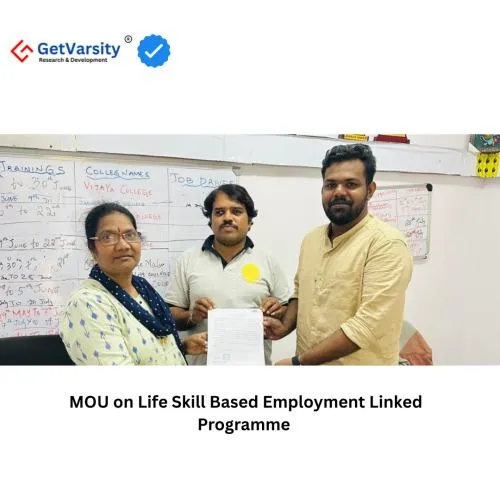
icon

Innovation and Entrepreneurial Support

icon

No.1 in curriculum and practicals

Call Back Request Form

Talk to us?

Call us?