About iStudy

Getvarsity is established and incorporated with the objective to provide a comprehensive range of Continuous Professional Development (CPD), Personnel Skill Assessment, Industrial Quality standardization, Corporate Training, and Personnel Skill Certification solutions that meet the needs of stakeholders in an ever-changing Industrial ecosystem.

Account

Follow Us

PG Diploma in Food Safety & Quality Management (PGDFSQM)

This Getvarsity PG Diploma in Food Safety and Quality Management is aligned with global standards such as the Codex Alimentarius Commission (CAC) guidelines, GFSI, ISO 9001, ISO 22000, and FSSC 22000. This comprehensive Level 6 NCrF certification fulfills the mandated 40 ABC Skill Credits verifiable via DigiLocker and incorporates the full curriculum of the TÜV SÜD Certified Food Safety Professional program, culminating in official TÜV SÜD certification. Designed to produce industry-ready experts, the course provides an extensive suite of credentials, including Multiple ISO Internal Auditor, HACCP Levels 3 & 4, TACCP/VACCP Level 3, and FSSAI FoSTaC Advance Manufacturing Supervisor certifications and other Industry relevant certifications , firmly establishing it as a top-tier qualification for the global food industry.

Course Highlights

    • No.1 in Internship Integrated Skill Training
    • Duration: 6 Months to 12 Months
    • Offline | Online | Hybrid | On - Job
    • 1 to 6 Months Internship @ Industry
    • Classes by Expert in FSQM
    • Updated Industry-Driven Curriculum
    • IIRDC NHEQF 40 ABC Credits PG Diploma Certification
    • NHEQF- aligned IIRDC Joint Certificate issued on Digilocker
    • GetVarsity facilitates the skill development component of the curriculum for students enrolled in this Skills University program.
    • Approved by UGC, NCVET, NSDC, IIRDC, University, Skill India, Digilocker, etc.
    • Dual Certification = PGD FSQM (12 Months) + PG Skill FSQM L7 (6 Months)
    • PGD FSQM NHEQF Level 6
    • PG Skill FSQM Level - 7 Certification
    • TUV SUD Germany Food Safety Professional Certificate (TUV is the world's largest food audit, Inspection, and certification organization having 150 years of track record )
    • IIRDC is TUV SUD Exclusive Food Sector Cooperative Partner
    • Food Safety Level - 4 in Manufacturing & Catering Certification
    • HACCP Level - 3 in Manufacturing & Catering Certification
    • VACCP & TACCP Level - 3 Certification
    • FSSAi - FoSTac Certification
    • QA & QC Certification
    • IS 10500:9001 Knowledge Certification
    • ISO 9001: 2015 Knowledge Certification
    • ISO 22000: 2018 Knowledge Certification
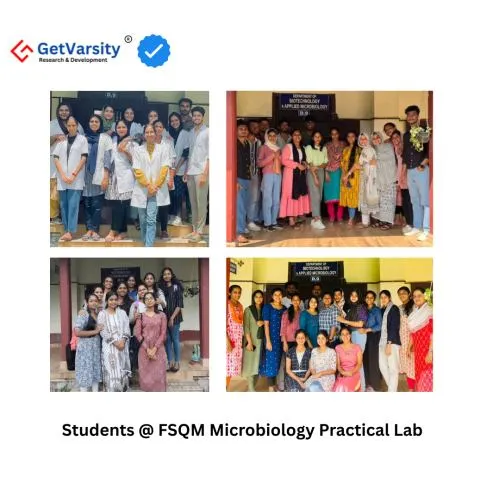
    • Practical Microbiology Lab
    • NSDC + Skill University Certificate
    • Multiple Add-On Certifications
    • International and National Certifications
    • Artificial Intelligence - Applications Certification
    • Microsoft Office training
    • Placement Assistance and Career Development Module
    • Comprehensive Curriculum which Meets FSSAI (India), FSMA (USA), EU Food Law, GFSI, and ISO 22000 standards
    • IIRDC High Value Personnel Skill ⁠⁠Certification Issued by Section 8 Entity
    • Highly valued in the International job market with 150 + Countries Apostel Attestation Eligibility.
    • QR Scanning Verification to the Gov of India portal facility Available Upon Apostel Attestation.
    • Recognised in India, UAE, UK, USA, Canada, Australia, the Middle East and European markets
    • IIRDC is recognised through various international ISO Standard certifications by organizations who are responsible for assessing the competence and capability of organisations.
    • Purpose : The core objective of the PG Diploma in Food Safety and Quality Management is to prepare dedicated professionals for the development, implementation, and rigorous auditing of Food Safety and Quality Management Systems. By bridging the gap between academic knowledge and industry demands, this program seeks to develop India's capability to seamlessly meet global food safety and quality requirements. Ultimately, the purpose of this comprehensive training is to enhance the international competitiveness of food products and contribute to ensuring long-term consumer safety both within and outside the country.

    • Scope : This advanced diploma covers a highly sought-after, multidisciplinary scope that spans across the food manufacturing and catering sectors , as well as pharmaceutical and nutraceutical industries. The curriculum is deeply aligned with international frameworks, ensuring graduates are proficient in highly relevant global standards, including ISO 9001, ISO 22000, and comprehensive threat and vulnerability assessments (TACCP & VACCP). Whether aspiring to oversee advanced manufacturing processes or manage retail quality in FMCG and supermarkets, learners are equipped to navigate modern global supply chain complexities and regulatory compliances.

    • Benefits of Qualification : Graduating with this specialized PG Diploma in Food Safety and Quality Management unlocks immense career potential through globally recognized credentials. Students earn an NCrF Level 6 PG Diploma qualification, which secures 40 Academic Bank of Credits (ABC) directly verifiable via DigiLocker. A standout benefit is the opportunity to acquire joint certification from a UGC & NCVET recognized Skills University, and IIRDC, alongside the highly prestigious and optional TÜV SÜD Germany Food Safety Professional credential. Furthermore, the certifications achieved are eligible for Apostille Attestation, ensuring your professional food safety qualifications are valid and respected in over 150 countries.

    • Responsibilities of Certified Personnel : Certified food safety personnel are entrusted with safeguarding public health by leading quality assurance protocols on the ground. Graduates will be fully equipped to take on critical roles such as Food Safety Officers, HACCP Coordinators, Quality Controllers, and Microbiologists. Their day-to-day responsibilities will involve implementing robust quality control systems, executing food audits, ensuring adherence to stringent food laws and labeling standards, and conducting precise bacteriological and chemical analyses of food and water. They act as the frontline defense against food fraud and safety vulnerabilities in any production environment.

    • Eligibility Criteria : To maintain the high technical standard of this advanced professional program, applicants must possess a strong foundational understanding of the sciences. The general eligibility criteria for enrollment require candidates to hold a UG, PG Degree, or PhD, with a strong preference given to those with a background in Life Sciences. Specifically, for the comprehensive 1-year PG Diploma track, holding a BSc in Life Science is a mandatory prerequisite.

    • Assessment Procedure : Our evaluation framework is designed to measure true industry readiness through skill-based assessments and certifications. The assessment procedure is securely backed by robust national frameworks, as GetVarsity operates as an NCVET Awarding Body empanelled training center and a third-party assessment agency for personnel skill certifications. Candidates are evaluated on both theoretical knowledge and practical application, ensuring they meet the stringent competency requirements of autonomous professional bodies and global standards like ISO/IEC 17024:2012.

    • Curriculum : Our industry-driven curriculum provides a 360-degree education in food safety sciences and management protocols. Key modules include Food Fundamentals & Chemistry, Principles of Food Safety, and comprehensive Food Laws, Standards & Labeling. Students undergo rigorous, hands-on training featuring Microbiology Lab practicals and water potability analysis as per IS 10500 standards. Additionally, the syllabus integrates highly valued industry add-ons, including FSSAI-FoSTaC Food Safety Supervisor certification, HACCP Levels 3 & 4, and ISO Internal Auditor training, culminating in a mandatory 1 to 6 months of internship integrated right into the learning lifecycle.

Placements & Internships

Sandra S
Arathy Manoj
Bineesh
Krishna Raj
Ahla M Jaseer
Muhammed Shijan K
muhammed Bin Yoonus
Anaga
Anagha D
Anas

why getvarsity ?

skill india
Skill India Training Partner / Provider /
Project Management Unit (PMU)

IIRDC is an Skill India (Ministry of Skill Development &Entrepreneurship) TP which have rights to Approve, Accredit andCreate Training Centers (TC) under IIRDC and Impart NSQF, NHEQF,Non - NSQF Certification Programs. (Service Agreement Sl. No. B386880). All IIRDC TC’s would qualify as Government recognizedskill training institution status.

ncvet
NCVET Training Body

IIRDC is a Training Body having rights to Approve, Accredit and Create Training Centers under IIRDC TB of NCVET Awarding Body. Also IIRDC holds Rights of Research & Development of New Industry Anchored NSQFand NHEQF Qualifications Through AB. All confederation companiesunder IIRDC will be accredited skill centers of AB.

ugc
UGC Approved Skill University's Industry Outreach
Partner / Skill Training Partner & Service Partner

GetVarsity is a company, not a UGC-regulated HEI, and provides fee-based Skill training and institutional support, while universities handle all academic processes, including admissions, exams, and awarding degrees. GetVarsity partners with universities and industry to integrate higher education with skill development, supporting UGC-approved work-integrated, vocational, and apprenticeship-based programs aligned with NEP 2020. 

iirdc
Personnel Skill Assessment & Certification Body

IIRDC Is an Autonomus Skill Assessment and CertificationAwarding Bodyworking as per the norms under international standards forGeneralrequirements for bodies operating certification of persons.IIRDCensures that a certified candidate holds the skills andexpertise ina specialized area through systematic assessments.

TÜV SÜD
TUV SUD Germany Food Safety and Quality 1st Cooperation Partner in India

TÜV SÜD Germany is a globally trusted technical service providerwithover 150 years of legacy in quality assurance and safety.Renowned forits rigorous standards, TÜV SÜD offers comprehensive testing,inspection, auditing, and certification services tailored to the food industry. Getvarsity is an official Training center & Confederation company of IIRDC ( TÜV SÜD Cooperation Partner )

digilocker
DigiLocker Verified

All IIRDC NCrF (NHEQF / NSQF) Aligned Skill Qualification Certifications issued in association with NCVET AB will be added into DigiLocker — a platform where Government Documents like Aadhaar, PAN, and Driving License are issued and verified. Credits will also be issued in ABC verifiable through DigiLocker.

abc skill credits
Academic Bank of Credits (ABC) Body

ABC is a digital system established under the National Education Policy (NEP) to facilitate credit accumulation, transfer, and redemption across higher education institutions. It allows candidates to earn credits for completed coursework. As per the ABC framework, 30 hours of learning equate to 1 academic credit, ensuring standardized recognition of learning outcomes across institutions. All NCrF aligned courses provided by Getvarsity holds ABC Skill credits.

nad
National Academic Depository (NAD)

NAD is a platform established by the Government to securely store and verify academic awards issued. Managed by DigiLocker and integrated with the Academic Bank of Credits (ABC), it enables verified documents anytime, reducing fraud and administrative delays while supporting the goals of NEP 2020. Certificates issued for Getvarsity students, which are aligned to NCrF, is linked to NAD.

nep 2020
National Education Policy (NEP)

The National Education Policy (NEP) 2020 aims to create a flexible and integrated education system. It connects school, higher, and vocational learning through the National Credit Framework (NCrF), National Higher Education Qualification Framework (NHEQF), and National Skills Qualifications Framework (NSQF), enabling credit transfer, skill integration, and lifelong learning. Getvarsity delivers NCrF courses aligned to NEP 2020 

Frequently Asked Questions

What Makes Food Safety and Quality Management Course by GetVarsity the Best and No.1 ?
Our Food Safety and Quality Management (FSQM) Course stands out as the No.1 choice for professionals looking to advance in the food industry due to its comprehensive curriculum, hands-on training, and globally recognized certifications. Designed to meet international food safety standards, this course ensures students gain expertise in food safety laws, HACCP, microbiological testing, and quality control measures. With a 1-2 month industry internship, practical microbiology lab training, and expert-led sessions, students get real-world experience in handling food safety challenges. The program includes NSDC + Skill University Certification, HACCP Level 3, Food Safety Level 4, VACCP & TACCP, FSSAI-FoSTaC certification, and ISO 22000:2018 knowledge certification, ensuring graduates are job-ready for roles in food production, auditing, and quality control. As a fully accredited program (ISO 9001:2015, ISO 29993:2017, ISO 21001:2018, ISO/IEC 17024:2012), this course follows an industry-driven curriculum, offering online, offline, hybrid, and on-the-job training options. With placement assistance, career development modules, and global apostille certification eligibility (valid in 150+ countries), this program guarantees a highly competitive edge in the food safety industry. If you're looking for a career in food safety, quality control, or compliance, this is the most recognized and trusted course to help you achieve your goals.

Course Duration of Food Safety and Quality Management Course ?
The course consists of two types:
# 6 months ( 600 hours ) of Practical training & On-Site Industry Internship training covering all the industry-relevant skill-oriented topics, The Diploma in Food Safety and Quality Management in Kochi & Calicut.
# 12 Months ( 1200 hours ) of Practical training & On-Site Industry Internship training covering all the industry-relevant skill oriented topics, The Advanced Diploma & PG Diploma in Food Safety and Quality Management in Kochi. 100% placement assistance is our assurance to all students.

For Detailed Syllabus Call or Whatsapp On: +91 7306136806
Food Safety and Quality Management Syllabus topics? What will you study?

  • Food Fundamentals & Chemistry
  • Food Laws and Standards
  • Principles of Food Safety and Quality Management
  • Food Safety and Quality Management Systems
  • Microbiological analysis of Food & Water
  • Chemical Analysis of Food
  • Water potability Analysis – Physical & Chemical Parameters (As Per Drinking Water Standard IS 10500:9001)
  • HACCP Level 3 - Hazard Analysis Critical Control Points Training & Certification in Manufacturing & Catering
  • Food Safety Level - 4 Certification in Manufacturing & Catering
  • TACCP (Threat Assessment and Critical Control Points) & VACCP (Vulnerability Assessment and Critical Control Points) Level - 3 Training & Certification
  • FSSAI - FoSTaC Training
  • Microbiology Practical LAB
  • Office Software Training (Non-Mandatory & Optional)
  • Industrial Training / Internship
  • Placement Assistance and Career Development Module

Career Opportunities After Food Safety and Quality Management Course ?

  • Food Safety Assistant – Support food safety audits and maintain hygiene protocols in food facilities.
  • Quality Control Technician – Conduct basic product testing to ensure compliance with food safety standards.
  • Microbiology Lab Assistant – Perform microbiological analysis of food and water samples.
  • Food Processing Operator – Monitor food production processes and ensure safety regulations are met.
  • Food Batch Maker – Assist in preparing food products in accordance with safety guidelines.
  • Food Inspection Trainee – Work under senior food inspectors to learn quality assessment techniques.
  • Packaging Quality Inspector – Check food packaging integrity and labeling compliance.
  • Retail Food Safety Auditor (Junior Level) – Inspect food safety standards in supermarkets and FMCG companies.
  • HACCP Compliance Assistant – Assist in implementing Hazard Analysis Critical Control Points (HACCP) guidelines.
  • Food Safety Auditor Intern – Gain hands-on experience in food safety audits and inspections.
  • Food Safety Officer/Executive – Oversee and enforce food safety regulations in food production units.
  • Quality Control Analyst – Ensure compliance with ISO 22000, HACCP, and FSSAI standards.
  • Food Microbiologist – Conduct pathogen testing and ensure microbial safety of food products.
  • Food Safety Supervisor – Manage food safety teams and conduct risk assessments in production facilities.
  • Production Supervisor (Food Manufacturing) – Oversee the production process and ensure quality control.
  • Regulatory Affairs Specialist (Food Industry) – Ensure compliance with FSSAI, FDA, and global food safety regulations.
  • HACCP Coordinator – Implement HACCP principles and maintain food safety documentation.
  • Food Labeling Compliance Officer – Ensure correct labeling of nutritional values, allergens, and ingredients.
  • TACCP & VACCP Coordinator – Manage food safety measures against food fraud and food defense risks.
  • Food Processing Technologist – Work on product development and process optimization in food industries.
  • Senior & Advanced Roles
  • Lead Food Auditor – Conduct audits to certify food manufacturing facilities for ISO 22000 & HACCP compliance.
  • Food Quality Assurance Manager – Lead teams responsible for maintaining food safety and quality.
  • Senior Food Technologist – Develop innovative food products while ensuring safety standards.
  • Food Regulatory Consultant – Advise companies on meeting national and international food regulations.
  • Food Plant Manager – Oversee end-to-end food production and safety operations in food processing units.
  • Organic Food Certification Specialist – Work with organic certification bodies to verify compliance.
  • Food Sustainability & Safety Manager – Ensure eco-friendly, ethical food production while maintaining quality.
  • Entrepreneur in Food Safety – Start a food consultancy, HACCP training institute, or quality testing lab.
  • Food R&D Scientist – Research new techniques to improve food preservation, packaging, and safety.
  • Head of Food Safety & Compliance – Lead food safety departments in multinational food corporations.

Why Choose GetVarsity for Training & Certifications ?

  • Awarded as IIRDC's Best Center For Skill Excellence in India. 
  • NCVET Awarding Bodies empaneled Skill India (Skill India - Ministry of Skill Development and Entrepreneurship) Approved Training Center (TC) Under IIRDC Training body (TB &TP).
  • Industry Outreach Partner, Service Partner, &Vocational Training partner of multiple UGC, NSDC and NCVET recognized Skill Universities.
  • Special Right to develop and implement NHEQF, NSQF programs with Digi locker ABC credits through IIRDC.
  • Accredited by ISO and International bodies of UK, USA, UAE, Egypt, European countries, Etc.
  • Gov Skill Loan, Educational & IIRDC GST Exemptions.

What is Food Safety & Quality Management Career ?
A career in Food Safety and Quality Management (FSQM) involves ensuring that food products meet regulatory standards, safety guidelines, and quality benchmarks before reaching consumers. Professionals in this field work across food manufacturing, processing, auditing, and compliance sectors, ensuring food is safe, hygienic, and free from contaminants. This career is essential to public health, as it helps prevent foodborne illnesses, contamination, and regulatory violations.

Key Responsibilities in Food Safety and Quality Management Careers

  • Ensuring Compliance: Adhering to national and international food safety laws (e.g., FSSAI, HACCP, ISO 22000, FDA).
  • Food Quality Control: Monitoring food production processes, packaging, and labeling to maintain quality.
  • Risk Assessment & Hazard Prevention: Identifying and controlling biological, chemical, and physical hazards in food.
  • Auditing & Certification: Conducting food safety audits for HACCP, TACCP, VACCP, and organic certifications.
  • Laboratory Testing: Analyzing food samples for microbiological, chemical, and physical safety parameters.
  • Food Processing & Preservation: Developing techniques to enhance food shelf-life, safety, and sustainability.
  • Consumer Safety & Public Health: Ensuring food meets nutritional and hygiene standards for public consumption.


Industries Hiring Food Safety & Quality Professionals

  • Food Manufacturing & Processing Units
  • Fast-Moving Consumer Goods (FMCG) Industry
  • Restaurants & Catering Services
  • Food Regulatory Agencies (FSSAI, FDA, ISO, etc.)
  • Food Testing & Research Laboratories
  • Retail & Supermarkets (Food Labeling & Compliance)
  • Agricultural & Organic Food Certification Organizations

What Dose a Food Safety and Quality Management Professional Do?
A career in Food Safety and Quality Management is a highly sought-after profession in the food industry, regulatory agencies, and FMCG sector, ensuring that food products meet strict safety, hygiene, and quality standards before reaching consumers. Professionals in this field play a crucial role in food safety compliance, quality control, food microbiology, and risk assessment, working with HACCP, ISO 22000, FSSAI, FDA, and other global food safety regulations. They oversee food production processes, conduct audits, monitor contamination risks, implement HACCP principles, and ensure proper labeling, packaging, and storage conditions. Food safety specialists also perform microbiological and chemical testing to prevent foodborne illnesses and ensure compliance with Good Manufacturing Practices (GMP) and Good Hygiene Practices (GHP). With the growing demand for food safety certification courses, HACCP training, and ISO food quality management programs, professionals in this field secure rewarding careers in food manufacturing, regulatory bodies, food laboratories, supermarkets, hotels, and catering services. This Food Safety and Quality Management course equips students with industry-relevant skills, hands-on microbiology lab training, HACCP certification, and placement assistance, ensuring job readiness for roles like Food Safety Officer, Quality Assurance Manager, HACCP Coordinator, and Food Safety Auditor. If you're looking for the best food safety course, a quality management diploma, or HACCP certification training, this program offers internationally recognized certifications, real-world exposure, and career growth opportunities in the booming food and beverage industry. Enroll today to build a successful career in food safety, compliance, and quality management!

Salary After Food Safety and Quality Management Course ?
Food Safety and Quality Management Salaries vary by experience and location, For trainee positions, earn INR 0 - 1.8 LPA, for entry-level positions, earn INR 1.5 to 8 LPA in India ($50,000+ globally), experienced professionals INR 15-30 LPA or above.

What is the Best Diploma Course for Food Safety and Quality Management, and How Can It Help in Career Growth?
The PG Skill IIRDC Diploma in Food Safety and Quality Management is one of the best non-academic Personnel skill diploma courses outside learning outside formal education for individuals looking to build a career in food safety, quality assurance, HACCP, FSSAI compliance, and ISO certification. This 6-month industry-focused comprehensive program is designed to equip professionals with the latest skills in food safety regulations, microbiological testing, food quality standards, and global compliance frameworks such as ISO 22000, HACCP, VACCP, TACCP, and FSSAI guidelines. It is an ideal program for graduates in food science, microbiology, chemistry, biotechnology, and other life sciences, as well as for professionals seeking career advancement in the food industry. The course covers critical topics such as food contamination and adulteration, risk assessment in food processing, food packaging regulations, and food safety auditing, making it the most comprehensive food safety diploma available in India and globally. This diploma in food safety and quality management offers multiple national and international certifications that are recognised in 150+ countries, including ISO 9001:2015, ISO 22000:2018, FSSAI – FoSTaC Certification, HACCP Level 3, Food Safety Level 4, VACCP & TACCP Level 3 Certifications. These industry-approved certifications enhance employability by preparing candidates for roles such as Food Safety Officer, Quality Control Manager, HACCP Auditor, Microbiologist, Food Technologist, and Compliance Specialist in FMCG, food processing, hospitality, and regulatory organisations. The program also includes 1-2 months of internship at leading food industries, ensuring practical exposure in food testing laboratories, quality control departments, and regulatory compliance roles. The course curriculum aligns with global food safety standards such as FDA, Codex Alimentarius, EFSA, WHO, and BIS, making graduates well-equipped to work in international food industries, export-oriented food businesses, and government regulatory bodies. Unlike traditional PG Diploma, MSc , Masters, MTech or M.Voc courses in Food Safety, this skill diploma provides a job-oriented approach, integrating theoretical knowledge with real-world industry experience. Students gain hands-on training in food microbiology lab testing, chemical analysis of food, HACCP-based risk management, and regulatory framework implementation. The PG Skill IIRDC Diploma in Food Safety and Quality Management follows a flexible learning format, available in online, offline, and hybrid modes, catering to students, working professionals, and entrepreneurs looking to establish their own food businesses. The course also provides placement assistance, interview preparation, and resume-building support, ensuring that graduates secure top positions in the food processing, dairy, beverages, catering, pharmaceutical, and nutraceutical industries. Additionally, the diploma helps aspiring food entrepreneurs navigate the legal requirements of FSSAI registration, HACCP certification, food business licensing, and compliance audits, making it an essential qualification for those planning to start a food manufacturing or catering business. The PG Skill IIRDC Diploma in Food Safety and Quality Management, holds global recognition through an industry-anchored syllabus, allowing candidates to pursue career opportunities in India, UAE, USA, Canada, UK, and other countries that follow stringent food safety laws. With a growing demand for food safety professionals, this course helps individuals advance their careers by providing expertise in food law compliance, quality control systems, ISO audits, and sustainable food safety practices. The food industry is one of the fastest-growing sectors worldwide, and skilled professionals in food safety and quality assurance are in high demand. By enrolling in this diploma, candidates position themselves for high-paying jobs in multinational food corporations, government agencies, research institutions, and independent auditing firms. For those searching for the best food safety diploma in India, top food safety certification courses, HACCP training programs, FSSAI certification online, and career opportunities in food safety and quality control, this course is the ultimate choice. It provides theoretical knowledge, hands-on experience, international certification, and career placement assistance, making it a one-stop solution for anyone looking to build a strong career in food safety and quality management. To enroll in the program, contact us and take the first step toward a successful and rewarding career in the food industry.


NHEQF, or the National Higher Education Qualifications Framework, is a structured framework developed by the Government of India to standardize and benchmark the learning outcomes, levels, and qualifications across all higher education institutions in the country. It forms a vital part of India’s education reform under the National Education Policy (NEP) 2020, aiming to ensure consistency, quality, and global comparability of Indian higher education qualifications.The NHEQF defines specific learning outcomes, credit levels, and qualifications from undergraduate to doctoral levels, helping students, educators, and employers clearly understand the competencies associated with each level. It also facilitates credit transfers, multiple entry and exit options, and promotes interdisciplinary and flexible learning aligned with international education standards. Implemented under the guidance of the University Grants Commission (UGC) and in alignment with the National Skill Qualification Framework (NSQF), NHEQF plays a key role in integrating academic education with skill-based learning. This enhances employability, supports lifelong learning, and contributes to India's vision of becoming a global knowledge economy. By enrolling in NHEQF-aligned courses, learners gain access to nationally recognized qualifications, better career mobility, and increased opportunities in both domestic and international job markets.

India’s first and Kerala’s only IIRDC NHEQF Credit Certificate. Getvarsity is Officially Entitled to provide IIRDC NSQF, IIRDC NHEQF, IIRDC Personnel Skill Certification, etc., through IIRDC Accreditation as a confederation training partner. 

  •  IIRDC NHEQF certificate will be treated as a skill qualification in various sectors.
  •  Valid for state/central government, Private sector jobs where skill qualifications are allowed under IIRDC NSQF/IIRDC NHEQF.
  •  National Academic Depository (NAD) enabled program
  •  NSDC, NCVET, UGC, Skill India, University, NCrF approved IIRDC NHEQF Certification
  •  Aligned to Skill India by the Ministry of Skill Development and Entrepreneurship 
  •  IIRDC NHEQF Certificates Issued on DigiLocker: Secure, government-authenticated verification.
  •  Credits issued on ABC (Academic Bank of Credits) in Digilocker (40 or 20 as per Hrs)
  •  Embassy Attestation Eligibility
  •  IIRDC NHEQF is fully aligned with NCrF (National Credit Framework)
  •  Recognition across universities: Acceptable by HEIs (Higher Education Institutions) that follow UGC guidelines.
  •  Courses are mapped with industry competency standards, increasing job readiness.
  •  Aligns with NEP 2020 (National Education Policy) for multidisciplinary, flexible education.
  •  Stackable learning: Can stack multiple level-based certificates towards a higher qualification.
  •  Can be used for applying to government MSME schemes, subsidies, and loans (like Mudra, PMEGP) which ask for proof of technical training.
  •  Helps learners get priority in Apprenticeship (NATS/NAPS) and Internship schemes under various ministries where skill qualifications are mandatory.

IIRDC, or the Institution of Industrial Research and Development Confederation, is a premier national-level Autonomous Professional Confederation Incorporated and Established under section-8, Act 2013, formerly known as Section -25, Act 1956, Regulated by the Ministry of corporate affairs, Government of India dedicated to advancing industrial research, skill development, innovation, and vocational education in India. Recognised for its role in bridging the gap between academia, industry, and skill-based training, IIRDC operates as a certification and awarding body, promoting industry-relevant education, practical skill enhancement, and workforce development aligned with national and international standards. IIRDC functions under the guidelines of the National Council for Vocational Education and Training (NCVET) and supports the implementation of frameworks like NSQF (National Skill Qualification Framework) and NHEQF (National Higher Education Qualifications Framework). It accredits and supports training centers, assessment bodies, and institutions that offer personnel certification, skill-based programs, and continuing professional developmentacross various sectors. With a strong focus on applied research, technology integration, and industry-driven learning models, IIRDC plays a vital role in enhancing the employability and competitiveness of India's workforce. Certifications and training programs affiliated with IIRDC are designed to meet the evolving needs of modern industries, ensuring learners acquire job-ready skills and recognized qualifications. By partnering with IIRDC-accredited institutions like GetVarsity, learners and professionals gain access to high-quality, nationally endorsed certifications that support career growth, entrepreneurship, and global mobility.

IIRDC NHEQF Credits and Certificates issued through DigiLocker offer a wide range of benefits that enhance the credibility, accessibility, and national recognition of your qualifications. As part of the Digital India initiative by the Government of India, DigiLocker provides a secure, government-verified platform to store and access your skill-based certificates and academic achievements anytime, anywhere.
Here are the key benefits of IIRDC NHEQF credits and certificates issued on DigiLocker:
• National Recognition & Standardization
Certificates aligned with NHEQF (National Higher Education Qualifications Framework) and issued by IIRDC (Institution of Industrial Research and Development Confederation) are nationally standardized, making them widely accepted by government agencies, universities, and employers across India.
• Government-Verified & Tamper-Proof
Documents stored on DigiLocker are digitally verified by the issuing authority and cannot be altered, ensuring authenticity and integrity for use in official processes like job applications, higher education admissions, and government exams.
• Anywhere, Anytime Access
Your IIRDC NHEQF certificates are instantly accessible online via DigiLocker. Whether you're applying for a job, internship, or further education, you can retrieve and share your verified certificate with just a few clicks—no need for physical copies.
• Career Mobility & Skill Recognition
These credits and certificates enhance your employability by formally recognizing your skill levels, learning outcomes, and competencies. They also support credit transfer, enabling you to switch institutions or education levels without losing progress.
• Aligned with Skill India & NEP 2020
Being part of India’s Skill India Mission and compliant with NEP 2020 goals, these certifications bridge the gap between academic learning and industry skills, supporting flexible, lifelong learning pathways.
• Global Acceptance
With frameworks like NSQF and NHEQF modeled on international qualification standards, IIRDC certifications improve your global mobility and acceptance by international employers and educational institutions.

A PG Diploma in Food Safety and Quality Management is a professional course that provides training in food safety regulations, HACCP, food microbiology, ISO 22000, food quality control, food testing laboratory practices, and FSSAI compliance. This course prepares students for careers in the food industry, food manufacturing, food auditing, and quality assurance.
A PG Diploma in Food Safety and Quality Management is a 1,200-hour, NSQF Level 6 professional certification programme that trains graduates to manage food safety systems, conduct quality audits, and ensure regulatory compliance across the food supply chain. The programme covers core disciplines including HACCP (Hazard Analysis and Critical Control Points) Levels 3 and 4, ISO 22000:2018 Food Safety Management Systems, FSSAI FoSTaC supervisory certification, TACCP and VACCP threat and vulnerability assessments, and hands-on microbiology laboratory testing. It is designed for science graduates — particularly from food technology, microbiology, chemistry, biotechnology, and nutrition backgrounds — and equips them for roles such as Food Safety Officer, Quality Assurance Manager, HACCP Coordinator, and Food Safety Auditor in India and across 150+ countries where these certifications hold recognition.

The Food Safety and Quality Management course is suitable for graduates from BSc or MSc Chemistry, Microbiology, Biotechnology, Food Technology, Biochemistry, Nutrition, Life Sciences, Hotel Management, Agriculture, Dairy Technology, Botany , Zoology and Any Life Science related fields. Food industry professionals and entrepreneurs interested in food safety certification and quality management training can also apply.

The PG Diploma in Food Safety and Quality Management may include globally recognized certifications such as HACCP Level 3, HACCP Level 4, FSSAI FoSTaC Food Safety Supervisor Certification, ISO 22000 Food Safety Management Systems training, Food Safety Level 4 training, food quality auditing training, ISO Internal Auditor Certificates, TUV SUD Food Safety Professional and many more certificates.

After completing a Food Safety and Quality Management course, students can work as Food Safety Officer, Quality Control Analyst, Food Safety Auditor, Food Microbiologist, Food Technologist, Quality Assurance Manager, Food Safety Supervisor, HACCP Coordinator, and Food Safety Consultant in food industries, food testing laboratories, and regulatory organizations.

The salary after completing a Food Safety course depends on experience and job role. Entry-level professionals such as Food Quality Control Analysts or Food Safety Supervisors may earn INR 2.5 lakh to INR 6 lakh per year, while experienced Food Safety Auditors, Quality Managers, and Food Safety Consultants can earn INR 8 lakh to INR 20 lakh per year in the food industry.
Yes, HACCP (Hazard Analysis and Critical Control Points) certification is one of the most important certifications in the food safety and quality management field. It is widely required by food manufacturing companies, food processing industries, restaurants, and international food export businesses to ensure food safety and regulatory compliance.

The Food Safety and Standards Authority of India (FSSAI) is the government body responsible for regulating and monitoring food safety standards, food manufacturing, food processing, food storage, and food distribution in India. Professionals trained in food safety and quality management courses play a key role in maintaining FSSAI compliance in food businesses.

PG Diploma in Food Safety and Quality Management diploma program include practical laboratory training, food microbiology analysis, food testing techniques, HACCP implementation training, and internship opportunities in food testing laboratories or food industries to provide real-world industry experience.

Yes, Getvarsity institutes offer online, offline, hybrid, part-time, and weekend Food Safety and Quality Management courses to help working professionals and students gain certification in food safety management, HACCP training, and food quality control.

Yes, Food Safety training and certification is highly recommended for food business operators. According to FSSAI regulations, food businesses must ensure proper food safety supervision, hygiene practices, HACCP implementation, and trained food safety supervisors to maintain food quality and consumer safety.

Professionals trained in Food Safety and Quality Management are required in industries such as food manufacturing, food processing, dairy industry, beverage industry, packaged food companies, food export companies, food testing laboratories, restaurants, catering services, and regulatory food safety organizations.

A Food Safety and Quality Management course helps students develop expertise in food safety regulations, HACCP implementation, ISO food safety standards, food microbiology testing, quality assurance systems, and food industry compliance, making them highly valuable professionals in the global food industry.

Yes, Food Safety and Quality Management is a rapidly growing field due to increasing food safety regulations, FSSAI compliance requirements, global food exports, and rising demand for safe food production in India and worldwide.

Food Safety professionals are required in industries such as:

  • Food manufacturing companies

  • Food processing industries

  • Dairy and beverage industries

  • Packaged food companies

  • Food export companies

  • Food testing laboratories

  • Hotels and restaurants

  • Government food safety departments

The PG Diploma in Food Safety and Quality Management usually takes 1 Year (for NCRF Aligned) and 6 Months ( for Non - NCRF Aligned).

Yes, students in Kerala, Kochi, Trivandrum, Calicut, and all other districts can enroll in Food Safety and Quality Management courses offered by getvarsity (a recognised training institute and certification provider) .

Getvarsity in Kochi, Kerala offer Food Safety certification courses, HACCP training, and PG Diploma programs in Food Safety and Quality Management for students and professionals interested in food industry careers.

Food Safety focuses on preventing contamination and ensuring food is safe for consumption, while Food Quality Management ensures that food products meet defined standards related to taste, appearance, nutritional value, and regulatory compliance. Both are essential in the food processing and food manufacturing industries.

Yes, the Food Safety and Quality Management course by Getvarsity is highly beneficial for working professionals in food industries, restaurants, catering services, hotels, and food manufacturing companies who want to upgrade their knowledge in food safety regulations, HACCP implementation, and quality management systems.

This 1200-hour, NSQF Level 6 course is designed for graduates aiming to secure roles like QA/QC Manager, Food Analyst, or Auditor in top companies like AMUL, ITC, and Haldirams. The foundation of the curriculum begins with Food Fundamentals & Chemistry, where you will explore the historical and scientific basis of food science. In detailed paragraph-style learning, this module explains the structure, function, and chemical interactions of macronutrients (carbohydrates, proteins, lipids, water) and micronutrients (vitamins, minerals) during food processing. You will also learn about the functions and regulatory limits of food additives, physical and chemical food preservation techniques, and modern packaging technologies required to maintain product integrity and shelf-life.

Yes, the Food Laws, Standards & Labeling module thoroughly covers both domestic and international regulatory regimes. You will be introduced to the legal frameworks of the Indian food sector, primarily focusing on FSSAI and the Essential Commodities Act, before expanding to global standards like the USFDA, EU regulations, and the Codex Alimentarius Commission. This section dives deep into import and export laws, including the FTDR Act and quarantine orders. Furthermore, you will receive exhaustive training on FSSAI's labeling regulations of 2020, learning how to interpret and design compliant labels that accurately reflect nutritional information, allergens, net quantity, and specialized logos for organic or fortified foods.

The module on the Principles of Food Safety and Quality Management provides a narrative journey from the evolution of food science in early human civilization to the modern challenges posed by GMOs, lab-grown meats, and fast-food retail chains. It explains various physical, chemical, and biological food preservation methods alongside the impact of agricultural mechanization and the industrial revolution on mass production. Crucially, it grounds you in essential industry prerequisites such as Good Manufacturing Practices (GMP), Good Laboratory Practices (GLP), and Good Agricultural Practices (GAP). You will also learn about sector-specific Prerequisite Programs (PRPs) for dairy, meat, and catering, alongside supply chain logistics, cold chain management, and crisis response strategies.

The Food Safety and Quality Management Systems subject is highly detailed, walking you through the core philosophies of QMS and FSMS, including the Plan-Do-Check-Act (PDCA) cycle and risk-based thinking. You will study every clause (1 to 10) of both ISO 9001:2015 (Quality Management) and ISO 22000:2018 (Food Safety Management). Beyond ISO standards, the curriculum explains Laboratory Quality Management Systems, global retailer standards (like BRC and GFSI), and Environmental Monitoring Programs (EMP) through zone-based segregation. It also emphasizes the human element by teaching you how to build a robust Food Safety Culture and align organizational practices with the United Nations Sustainable Development Goals (UNSDP) for reducing food waste.

The curriculum includes three intensive modules on laboratory analysis. First, the Microbiological & Chemical Analysis module teaches you how to identify pathogenic microorganisms like Salmonella, Listeria, and E. coli using pour plate, spread plate, and Gram staining techniques. Second, the Chemical Analysis of Food section covers the proximate analysis of moisture, ash, crude fiber, proteins, and lipids, alongside advanced techniques for analyzing sugar spectrums (DNS method), vitamins, minerals, antioxidants, and gluten testing. Finally, the Water Potability Analysis module trains you to test drinking water against IS 10500:2012 standards, evaluating physical and chemical parameters (like turbidity, pH, TDS, and BOD) and conducting microbiological tests to determine coliform counts via the MPN method.

Yes, the curriculum dedicates an entire module to Hazard Analysis Critical Control Points (HACCP), strictly following the Codex CXC-01 guidelines. Rather than just a brief overview, this section explains the complete 12-step HACCP methodology, incorporating its 7 core principles: hazard analysis, identifying CCPs, establishing critical limits, monitoring, corrective actions, verification, and documentation. You will learn how to categorize biological, chemical, physical, and allergenic risks, develop prerequisite programs (PRPs) and Good Hygiene Practices (GHPs), and seamlessly integrate your customized HACCP plans into broader frameworks like ISO 22000 for manufacturing and catering environments.

Absolutely. The Food Safety Knowledge in Manufacturing & Catering module is tailored for managerial-level understanding. It explains the legal responsibilities of Food Business Operators (FBOs) and the penalties for non-compliance. In paragraph form, the coursework details how to manage high-risk food categories, oversee personal hygiene for food handlers, and implement rigorous pest control and waste management systems. It also covers allergen cross-contamination prevention, safe raw material sourcing, traceability systems, and leadership strategies required to execute product recalls and root-cause analyses during food safety emergencies.

Yes, the course includes specialized training on TACCP (Threat Assessment) and VACCP (Vulnerability Assessment). This module clarifies the critical differences between unintentional food safety hazards, intentional food defense threats (sabotage, malicious contamination), and economically motivated food fraud (substitution, dilution, counterfeiting). You will learn how to evaluate supplier vulnerabilities, assess the probability and impact of threats, and develop mitigation strategies. The syllabus also explores how modern technology, such as AI, blockchain, and DNA testing, is being integrated into internal audits to strengthen supply chain traceability and defense.

Yes, the final module focuses on Safety, Quality & Regulatory Management in Pharmaceuticals and Nutraceuticals. This section explains the vital distinctions between conventional drugs, functional foods, and nutraceuticals. It details the stringent Good Manufacturing Practices (cGMP), cleanroom classifications, and gowning protocols required in these highly regulated sectors. You will also study quality assurance protocols for raw Active Pharmaceutical Ingredients (APIs), stability testing for shelf-life determination, and the specific regulatory compliance frameworks governed by bodies such as CDSCO, AYUSH, and the USFDA, ensuring you are well-prepared to audit and manage quality in the health supplement industry.

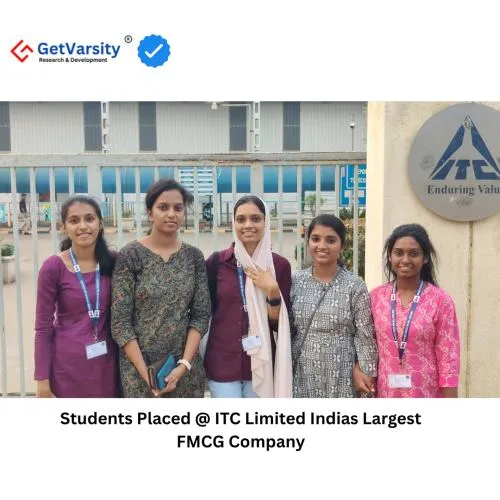
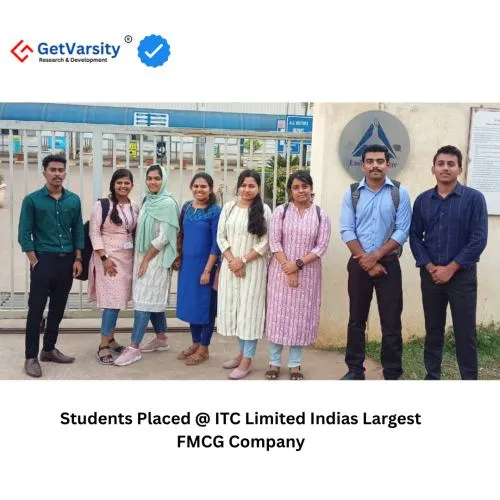
Completing this diploma opens up lucrative and high-demand career trajectories within the food manufacturing, catering, and retail sectors. Graduates can step into critical roles such as Quality Assurance (QA) Manager, Quality Control (QC) Assistant, Food Analyst, and Food Safety Auditor. The course maps directly to both horizontal career moves (like Lab Assistant to QC Assistant) and vertical progression to managerial positions. Because the curriculum is highly industry-relevant, it prepares you for placements at top-tier FMCG and food industry giants, including AMUL, MILMA, ITC, ATC, Elanadu milk, Lazza, Lulu Flight kitchen, PKM Fine Foods, Kings sea foods, Joy icecreams, surbojan, stevia, Haldirams, etc... as well as specialized independent Food Analysis Laboratories.


Yes, the program carries significant professional weight as it is formally aligned with the National Credit Framework (NCrF) at Level 6. Earning an NCRF Level 6 certification is a strong indicator to employers that you possess advanced analytical skills and specialized knowledge capable of managing complex food safety protocols. Furthermore, the course is directly aligned with the Food Industry , meaning your skills will meet the exact standards and demands of the current domestic and global food regulatory landscape.

This PG Diploma in Food Safety and Quality Management goes far beyond basic local compliance by thoroughly training you in top-tier global regulatory frameworks. You will master the fundamentals and specific clauses (1 to 10) of both ISO 9001:2015 for Quality Management Systems and ISO 22000:2018 for Food Safety Management Systems. Additionally, the curriculum explicitly covers crucial global benchmarking and retailer standards, including BRCGS, IFS, and GFSI. To prepare you for advanced auditing roles, you will also learn how to effectively plan, conduct, report, and manage audits as per the guidelines of ISO 19011-2002, while understanding the rigorous requirements of Laboratory Management Systems under ISO 17025.

The microbiological analysis training in this program is highly rigorous and designed to make you proficient in a laboratory setting. You will learn the science and methodology behind detecting and enumerating critical foodborne pathogens, including Staphylococcus aureus, Listeria spp., Pseudomonas spp., Salmonella spp., Shigella spp., and Vibrio spp. The syllabus meticulously explains practical lab techniques such as the pour plate, spread plate, colony count, and streaking methods. Furthermore, you will be trained in detecting food pathogenic fungi (yeast and mold), performing Gram staining techniques, and identifying waterborne contaminants like E. coli and coliforms using specialized methods like the Most Probable Number (MPN) technique and Eosin Methylene Blue (EMB) agar.

The Chemical Analysis of Food module is designed to give you deep expertise in determining the exact nutritional composition and safety of various food products. You will learn the standard methodologies for estimating moisture, ash, crude fiber, proteins, lipids, and carbohydrates. The course also explores advanced biochemical testing, such as determining reducing sugars using the Dinitrosalicylic acid (DNS) method, and estimating vital micronutrients like Vitamin C (Ascorbic Acid), Folic Acid, Calcium, Magnesium, and Phosphorous. Furthermore, the syllabus covers the spectrophotometric and chromatographic analysis of antioxidants, alongside specialized quality control tests like evaluating the refractive index of oils and conducting gluten testing for celiac-sensitive products.

Yes, the curriculum recognizes that modern food safety management extends beyond basic hygiene to encompass corporate culture and global sustainability. A dedicated section of the course integrates the United Nations Sustainable Development Goals (UNSDP), specifically focusing on actionable strategies to reduce food loss and waste across the supply chain. You will also learn the behavioral science behind building a strong "Food Safety Culture" within an organization. This involves understanding how to secure top management commitment, establish effective internal communication, implement employee feedback mechanisms, measure performance metrics, and foster ethical decision-making among staff.

The curriculum is highly versatile and extends far beyond standard food manufacturing. You will study sector-specific Prerequisite Programs (PRPs) compliant with FSSAI Schedule 4 guidelines tailored for a wide variety of industries. This includes specialized safety protocols for the milk and dairy industry, fish and seafood processing, slaughterhouses, catering services, retail outlets, and transport and warehousing logistics. Furthermore, the course dedicates an entire module to the pharmaceutical and nutraceutical sectors, teaching you the unique cleanroom classifications, Good Manufacturing Practices (cGMP), and quality control systems required for functional foods and health supplements.

The program utilizes a comprehensive blended learning methodology designed to accommodate different learning styles. The theoretical components are delivered through Live, Virtual, or Physical classroom sessions, guided by experienced faculty members possessing relevant PHD & postgraduate qualifications and extensive industry experience. To facilitate practical learning, the course moves beyond standard lectures by incorporating intensive project work. This practical application includes hands-on assignments, industrial visit documentation, and internship reporting, ensuring you can translate classroom theory directly into active factory floor or laboratory environments.

Yes, crisis management is a critical pillar of this diploma. The curriculum features dedicated training on "Crisis Management and Emergency Response," teaching you exactly how to handle high-stress food safety incidents and product recalls. You will learn how to conduct a rigorous root cause analysis to identify the source of a safety failure, implement immediate corrections and long-term corrective actions, and execute effective crisis communication strategies. Additionally, the course trains you through practical mock simulations—such as tabletop recall scenarios and traceability mapping—to ensure you can navigate the legal and reputational risks associated with a foodborne illness outbreak or malicious contamination threat.

The course is strategically designed to support both horizontal and vertical career mobility within the food safety sector. For horizontal progression (moving laterally at the same level of seniority to broaden your skill set), you will be fully qualified to transition between distinct roles, such as moving from a Laboratory Assistant focused on chemical testing to a broader QA/QC Assistant role managing factory compliance. For vertical progression (moving up the corporate ladder), the advanced managerial knowledge imparted by this Level 6 qualification—such as auditing systems and leadership in food safety culture—directly prepares you to step up from a QA/QC Assistant into a senior QA/QC Manager position, overseeing entire quality departments and regulatory compliance strategies.

Rather than just memorizing theoretical concepts, the HACCP (Hazard Analysis Critical Control Points) module is entirely application-based. You will learn how to build a complete food safety system from scratch based on the Codex CXC-01 guidelines. The coursework guides you through drafting sample HACCP plans for specific food products (like juices or batters), identifying critical control points (CCPs) using process flow diagrams, establishing measurable critical limits, and creating mock CCP monitoring records. You will also participate in simulated internal audits and roleplay scenarios involving client-auditor discussions, ensuring you know exactly how to implement, maintain, and verify a HACCP system in a real commercial kitchen or manufacturing line.

Yes, the course is highly focused on global market access. The Food Laws, Standards & Labeling module extensively covers the legal requirements for exporting and importing food products. You will study the FTDR (Foreign Trade Development and Regulation) Act, Plant and Animal Quarantine regulations, and the Export (Quality Control and Inspection) Act. Furthermore, the curriculum trains you to align product compliance and labeling with stringent international frameworks, including those of the USFDA, European Union (EU), Gulf Countries, New Zealand, and the Codex Alimentarius Commission.

The Water Potability Analysis module provides exhaustive, hands-on training strictly aligned with the Indian Standard for Drinking Water (IS 10500:9001/2012). You will learn to measure critical physical and chemical parameters, including Biochemical Oxygen Demand (BOD), Total Dissolved Solids (TDS), Total Suspended Solids (TSS), turbidity, and specific mineral/chemical content like Iron, Calcium, Sulphate, and Nitrate. On the microbiological side, you will master techniques to determine coliform counts using the Most Probable Number (MPN) method and detect E. coli using Eosin Methylene Blue (EMB) agar.

The industry is currently facing complex security challenges, which is why the course includes specialized training on TACCP (Threat Assessment) and VACCP (Vulnerability Assessment). You will learn to identify economically motivated food fraud (like ingredient substitution, dilution, and counterfeiting) and intentional malicious contamination (sabotage or terrorism). Crucially, the syllabus explores how to leverage cutting-edge technology—such as Artificial Intelligence (AI), Blockchain traceability, and DNA testing—to conduct risk assessments, verify supplier authenticity, and build resilient defense strategies.

To successfully earn your certification, you must demonstrate a solid grasp of both the theoretical concepts and practical applications. The course requires an overall passing score of 50% (0.5). The theoretical exams, conducted online via Multiple Choice Questions (MCQs) by the Awarding Body. The practical project evaluations and viva sessions make up the remainder of the assessment. You must pass both the theoretical and practical components to achieve the 50% overall threshold required to graduate.

Yes, the curriculum provides a fascinating deep dive into the historical evolution of food safety, starting from early human civilization and cultural shifts. You will explore how monumental changes, such as the mechanization of agriculture and the Industrial Revolution, transformed food processing, canning, and mass distribution, bringing both high productivity and entirely new contamination risks. Furthermore, the course analyzes the rise of the modern restaurant industry, the fast-food revolution, and contemporary dine-out concepts, teaching you how to evaluate the unique safety challenges and FSSAI regulatory compliances required in today's fast-paced retail and hospitality chains.

Absolutely. The program places a strong emphasis on proactive and preventative quality management. In the systems module, you will learn how to design and implement a robust Environmental Monitoring Program (EMP), which includes establishing zone-based segregation, identifying microbial risk zones, and executing monitoring protocols to prevent cross-contamination in ready-to-eat food facilities. Additionally, when studying the pharmaceutical and nutraceutical sectors, you will be introduced to the advanced concept of Quality by Design (QbD). This ensures that safety and quality are inherently built into health supplements right from the initial product development stage, rather than just being tested at the end of the manufacturing line.

As the global health and wellness industry rapidly expands, monitoring the post-market safety of supplements is absolutely critical. The course specifically trains you in Pharmacovigilance and Nutrivigilance practices, which involve detecting, assessing, and preventing adverse effects related to pharmaceutical drugs and functional nutraceuticals. You will learn how to navigate complex consumer health claims—distinguishing between legally permissible marketing statements and scientifically substantiated facts—while understanding how regulatory bodies like FSSAI, CDSCO, and the TGA monitor product safety and initiate recalls long after a product has reached the retail shelves.

Recognizing that even the best technical systems will fail without human compliance, the diploma extensively covers Leadership and Food Safety Culture. The syllabus breaks down the core pillars of a strong safety culture: securing top management commitment, fostering transparent communication, implementing continuous staff training, and creating effective employee feedback mechanisms. You will learn practical skills, such as how to conduct a food safety culture assessment survey within a facility, develop improvement action plans based on staff behavior, and understand the profound impact that ethical decision-making and employee well-being have on maintaining a safe, hygienic, and legally compliant food production environment.

Yes, the curriculum includes a highly specific section on Food Additives and Modern Packaging Technology within the Food Fundamentals module. You will learn about the different types and functions of food additives, including how to detect their presence using chemical tests and interpret food labels to ensure they fall within permitted regulatory limits. Furthermore, the course delves into modern packaging materials, evaluating their integrity, suitability for various preservation methods, and how they impact shelf-life indications. You will be trained to analyze packaged food products to ensure strict compliance with FSSAI preservation and labeling norms.

Allergen management is a critical priority in the modern food industry and is covered extensively in the Food Safety Knowledge in Manufacturing & Catering module. The syllabus trains you to identify common food allergens and understand the severe consumer health risks associated with them. You will learn how to design facility workflows and menus that prevent cross-contamination. Practically, the course requires you to audit food labels for allergen compliance, identify control gaps in case studies, and design legally compliant mock allergen warning panels for packaged food products based on FSSAI’s Food Safety and Standards (Labelling and Display) Regulations, 2020.


Absolutely. The integrity of food safety often relies on the supply chain, which is why the course dedicates thorough training to Supply Chain and Food Safety in Distribution. You will learn the best practices for the safe sourcing of raw materials, vendor approval, and transportation logistics. A major focus is placed on cold chain management for perishable foods to prevent microbial growth during transit. To build practical skills, you will map the traceability of a raw ingredient from source to shelf, fill out mock receiving inspection checklists, and perform simulated food recall tracking exercises using supply chain data.

To conduct effective audits, you must understand industry-specific terminology and risk levels. The course explicitly teaches the Categorization of the Food Industry as per ISO 22003-1:2022 standards. You will learn how to classify various food business sectors, assign appropriate risk levels, and develop audit scopes based on these categories. Additionally, the curriculum ensures you are fluent in the complex terminology used in global food safety systems. You will learn to clearly differentiate between concepts like contamination, hazard, and risk, utilizing glossaries from Codex, ISO, FSSC, and QMS to accurately prepare Standard Operating Procedures (SOPs) and risk assessments.

Yes, this program is explicitly designed to bridge the skill gap in India’s rapidly expanding food processing sector. By completing this NSQF Level 6 curriculum, graduates are perfectly positioned for high-demand roles such as Quality Assurance (QA) Manager, Quality Control (QC) Assistant, and Food Analyst. The syllabus directly names top-tier Indian placement targets, including national FMCG giants like AMUL, ITC, and Haldirams. Crucially for students in Kerala, the course specifically targets placements in regional powerhouses like MILMA (Kerala Co-operative Milk Marketing Federation), alongside various independent Food Analysis Laboratories operating across the state and the country.

FSSAI compliance is the backbone of the Indian food industry, and this course dedicates extensive training to mastering it. The Food Laws, Standards & Labeling module deeply explores the Indian Food Regulatory Regime, including the Prevention of Food Adulteration (PFA) Act, FSSAI regulations, and the Essential Commodities Act. You will learn to navigate the FSSAI FoSCoS portal for licensing and registration, and master the FSSAI Food Safety and Standards (Labelling and Display) Regulations of 2020. Furthermore, you will be trained on the strict Prerequisite Programs (PRPs) mandated by FSSAI Schedule 4, covering exact compliance requirements for Indian catering, retail, milk processing, and slaughterhouses.

Absolutely. Kerala is a major hub for the export of spices, tea, coffee, and marine products, and this diploma provides the exact skill set required to thrive in these export-driven sectors. The curriculum features specialized training on Sector-Specific Sampling, teaching you the precise lab protocols for testing fish, spices, tea/coffee, oils, and dairy. Furthermore, the course extensively covers India's Export and Import Laws, including the FTDR Act, Plant and Animal Quarantine orders, and the Export (Quality Control and Inspection) Act. You will learn how to align Indian products with global standards like the USFDA, EU regulations, and Codex Alimentarius, ensuring your company's exports pass international border inspections without rejections.

Yes, the curriculum is highly tailored to Indian public health and wellness markets. The Water Potability Analysis module is strictly built around the Indian Standard for Drinking Water (IS 10500:9001/2012). You will learn to test physical, chemical, and microbiological parameters to ensure compliance with national safety limits. Furthermore, with Kerala being a global destination for wellness and Ayurveda, the final module on Pharmaceuticals and Nutraceuticals is highly relevant. You will learn the regulatory frameworks governing health supplements in India, focusing on compliance with FSSAI, CDSCO (Central Drugs Standard Control Organisation), and AYUSH guidelines, ensuring you are fully equipped to manage quality in India's booming functional food and alternative medicine sectors.

Yes, the curriculum is perfectly aligned with India's booming food service and retail sectors. The Principles of Food Safety module specifically covers the evolution of dine-out concepts and the fast-food revolution, highlighting the unique risks associated with commercial kitchens. You will receive in-depth training on FSSAI Schedule 4 compliance, focusing heavily on the Prerequisite Program (PRP) requirements tailored for catering and retail environments. In a detailed, paragraph-style learning format, the course explains how to implement strict personal hygiene protocols for food handlers, design effective pest control and sanitation schedules, and manage cross-contamination risks to ensure restaurants, cloud kitchens, and food delivery platforms across India operate safely and legally.

Yes, the food industry is rapidly evolving, and the curriculum ensures you are up-to-date with modern innovations. Within the introductory modules, you will discuss modern food safety challenges, explicitly covering the rise of modern food technology such as genetically modified organisms (GMOs), lab-grown food, and the booming plant-based meat sector. You will learn how to identify the novel risks introduced by these alternative proteins and investigate how current labeling laws and FSSAI regulations are adapting to govern their safety, giving you a competitive edge in India's modern FMCG and food-tech startup ecosystem.

The PG Diploma in Food Safety and Quality Management is a postgraduate-level qualification designed to equip professionals with advanced knowledge of food safety standards, quality control systems, regulatory compliance, and auditing practices. The program covers key industry frameworks including HACCP (Hazard Analysis and Critical Control Points), ISO 22000, FSSC 22000, and GMP (Good Manufacturing Practices). It bridges the gap between academic food science education and real-world industry demands, making it ideal for professionals seeking career advancement in the food manufacturing, retail, hospitality, and regulatory sectors.
 

The program is open to candidates who hold a bachelor's degree or higher in any life science specializations like Chemistry, biotechnology, food technology, food science, microbiology, biochemistry, nutrition, agriculture, hotel management, or a related or any life science discipline. Working professionals in the food and beverage industry — including quality control technicians, production supervisors, and food safety officers — are especially encouraged to apply, as practical industry experience strengthens learning outcomes. institution may also admit graduates from other disciplines with
relevant work experience in food processing or quality assurance roles.

The PG Diploma in Food Safety and Quality Management is typically a one-year program (1200 Hours, 40 Credits ) , structured across two semesters or delivered as a flexible Hybrid course . The
program includes coursework, case studies, internships, practical laboratory etc . Hybrid-learning formats offer working professionals the flexibility to complete the qualification without interrupting their careers.

The curriculum of the PG Diploma in Food Safety and Quality Management typically covers: food microbiology and chemistry, HACCP principles and implementation, ISO 22000 / FSSC 22000 food safety management systems, food quality auditing and inspection, food laws and regulatory compliance (FSSAI, Codex Alimentarius, EU regulations), Good Manufacturing Practices (GMP) and Good Hygiene Practices (GHP), food labelling and traceability, supply chain quality management, statistical process control, and a research or industry project. This broad curriculum prepares graduates to manage end-to-end food safety operations across diverse food industry environments.

Graduates of the PG Diploma in Food Safety and Quality Management are qualified for a wide range of roles including: Quality Assurance Manager, Food Safety Officer, HACCP Coordinator, Food Safety Auditor, Regulatory Affairs Specialist, Food Technologist, Compliance Manager, and Quality Control Analyst. Employment opportunities exist across food manufacturing, supermarket chains, hotel and restaurant groups, government food regulatory authorities, food testing laboratories, and international certification bodies. With food safety regulations tightening globally, demand for qualified food safety professionals continues to grow significantly year on year.

Yes, postgraduate diplomas in food safety and quality management from Getvarsity are widely recognised across international food industry sectors. Graduates gain competency in globally accepted frameworks
such as HACCP, ISO 22000, and Codex Alimentarius standards, which are mandated or respected in markets including the European Union, North America, the Middle East, and Asia-Pacific. the PG diploma in food safety and quality management by Getvarsity is an NCRF level 6 aligned qualification with 40 ABC Credits and certificate verifiable in Digilocker.

Yes, the PG Diploma in Food Safety and Quality Management is available in online and hybrid formats, making it accessible to working professionals worldwide without requiring relocation or campus attendance. Online delivery typically combines Live classes, video lectures, interactive modules, live webinars, and digital assessments. This mode of study allows learners to balance work, personal commitments, and study effectively. Some programs offer blended learning — combining online content with optional in-person workshops or practical lab sessions. Confirm the exact delivery format with the getvarsity to ensure it suits your schedule and learning style.

The PG Diploma in Food Safety and Quality Management is a professional, practice-focused qualification typically completed in one year, designed to develop applied skills in food safety systems, auditing, and compliance. An MSc in Food Science is an academic research degree (usually two years) with a stronger emphasis on scientific theory, laboratory research, and a substantial dissertation. The PG Diploma is ideal for industry professionals and freshers seeking rapid upskilling and career advancement, while the MSc suits those aiming for research careers or academic roles. PG Diploma is NCRF level 6 Aligned ( 40 credits ) after that if candidate continue their studies for one more year they will be awarded with M.Voc that is NCRF Level 6.5 Aligned ( 80 Credits = 1st Year ( PG Diploma ) 40 Credits + 2nd Year 40 Credits )

Completing a PG Diploma in Food Safety and Quality Management can significantly accelerate your career and earning potential. Quality assurance managers and food safety officers with postgraduate-level qualifications typically command higher salaries than those without formal credentials. Roles such as Food Safety Manager, Quality Director, or Regulatory Affairs Consultant are often gated behind postgraduate level education or professional certification. Additionally, as food safety legislation becomes more stringent globally — including FSMA in the USA, EU Food Law, and local FSSAI regulations — employers are actively prioritising candidates who demonstrate verifiable, advanced competence in food safety management systems.

Yes — food safety is one of the most in-demand professional specialisations in India. India has over 40,000 FSSAI-registered food businesses, and the India Food Safety Testing Market is projected to reach USD 637 million by 2030. Every food manufacturer, FMCG company, hotel chain, export house, and quick- service restaurant requires certified food safety professionals to comply with FSSAI regulations, international standards (HACCP, ISO 22000, FSSC 22000), and export market requirements. Entry-level quality control executives earn INR 2.5–4 LPA, rising to INT 8–15 LPA for quality managers in mid-level FMCG roles. Senior food safety consultants and lead auditors at export-facing companies earn INR 15–25 LPA. Gulf and international placements offer a 1.5–2× salary multiplier over equivalent Indian roles.

Yes — BSc Chemistry, Microbiology, Biotechnology, and Biology graduates are among the ideal candidates for a PG Diploma in Food Safety and Quality Management. This science background provides direct competency in the core technical modules of the course: microbial hazard analysis, chemical contamination, allergen management, laboratory testing protocols, and HACCP hazard identification. These skills take non-science graduates significantly longer to develop. GetVarsity's IIRDC NCRF –TÜV SÜD Germany accredited PG Diploma accepts graduates from science disciplines — including BSc Chemistry, Microbiology, Biochemistry, Biotechnology, Food Science, Agriculture, and related fields — as primary target candidates. The internationally recognised qualification allows science graduates to convert their laboratory knowledge into a structured food safety management career in FMCG, manufacturing, export, and regulatory sectors.

GetVarsity and Online / Distant open universities offer very different qualifications despite similar names. Online / Distant open universities PGDFSQM is a distance-learning programme developed in
collaboration with the government or other private organizations, recognised within India's open university system — suited for those needing an affordable academic credential. GetVarsity's PG Diploma in Food Safety and Quality Management is an IIRDC NCRF Aligned –TÜV SÜD Germany accredited professional qualification with NCVET & UGC Approved Skills university recognition, covering 10+ international standards (HACCP, ISO 22000:2018, FSSC 22000 V6, BRCGS Issue 8, IFS Food, SQF, FSSAI, FSMA, EU Food Law, Codex Alimentarius). Key differentiators: GetVarsity's credential is valid in 150+ countries with apostille in 150+, issued / verified via DigiLocker with ABC skill credits, and carries the TÜV SÜD Germany quality mark — making it significantly stronger for international employment, Gulf placements,and export-sector careers. Online / Distant open universities PGDFSQM has limited international employer recognition.

These are four distinct but complementary food safety standards used globally: HACCP (Hazard Analysis and Critical Control Points) is the foundational 7-principle framework for identifying and controlling food safety hazards — a prerequisite for all other standards. ISO 22000:2018 is an international management system standard that combines HACCP with PRPs (Prerequisite Programmes) and is applicable to any organisation in the food chain. FSSC 22000 Version 6 builds on ISO 22000 by adding sector-specific PRPs and is recognised by the Global Food Safety Initiative (GFSI), making it mandatory for supply to major global retailers. BRCGS (British Retail Consortium Global Standards) Issue 8 is the benchmark standard required by UK, European, and US supermarket chains for their suppliers. GetVarsity's PG Diploma in Food Safety covers all four standards — plus IFS Food, SQF, FSSAI, FSMA, EU Food Law, and Codex Alimentarius — making graduates uniquely qualified across both domestic and export markets.

Becoming a food safety auditor in India follows a clear progression. Stage 1 (0–2 years): Join as Quality Control Executive or Food Safety Officer in a manufacturer or FMCG company, building hands-on knowledge of HACCP plans, FSSAI compliance, GMP, and sanitation monitoring. Salary: INR 2.5–4 LPA. Stage 2 (2–5 years): Qualify as an Internal Auditor (ISO 22000 or FSSC 22000 Internal Auditor course) and lead internal audits. Salary: INR 5–9 LPA. Stage 3 (3–6 years): Complete a Lead Auditor course (CQI/IRCA-certified, 5 days) and join a certification body like SGS, Bureau Veritas, or TÜV SÜD as a third-party auditor. Salary: INR 9–18 LPA. Stage 4 (6+ years): Independent food safety consultant or Senior Lead Auditor advising FMCG companies, export houses, and food chains. Salary: INR 18–35 LPA. A PG Diploma in Food Safety covering HACCP, ISO 22000, FSSC 22000, and BRCGS is the essential academic foundation for this entire career path.

Food safety offers a predictable, high-growth career trajectory in India. Year 1–2 (Entry Level): QC Analyst, Food Safety Executive, or FSSAI Compliance Officer at a food manufacturer; salary 2.5–4 LPA. Year 3–5 (Mid Level): Quality Assurance Manager, Food Safety Coordinator, or Internal Auditor; salary 5–9 LPA. Year 5–8 (Senior Level): Food Safety Manager, QA Head, or FSSC 22000 Coordinator at FMCG/export companies; salary 9–15 LPA. Year 8–12 (Leadership): Food Safety Director, Regulatory Affairs Head, or Lead Auditor at certification bodies; salary 15–25 LPA. Year 12+ (Expert): Independent food safety consultant,
GFSI scheme expert, or regulatory consultant; salary 25–50 LPA. Professionals with internationally accredited credentials — especially those covering FSSC 22000, BRCGS, and ISO 22000 — consistently command 25–40% higher salaries than peers with domestically-only recognised qualifications.

TÜV SÜD Germany is one of the world's oldest and most respected technical service organisations, with over 150 years of expertise in quality, safety, and certification standards across 1,000+ locations globally. A food safety qualification accredited by IIRDC in partnership with TÜV SÜD Germany means your credential has been validated against internationally recognised quality benchmarks — not just Indian national standards. For food safety professionals, TÜV SÜD accreditation signals to Gulf food manufacturers, European export certifiers, and international food chains that your qualification meets globally accepted competency standards. This makes GetVarsity's IIRDC–TÜV SÜD certified Food safety professional PG Diploma far more portable for international career opportunities than NAAC-accredited or distance-learning-only programmes. No other food safety course provider in South India or Kerala offers TÜV SÜD Germany accreditation on a PG Diploma programme.

These are two entirely different things that are often confused. The FSSAI Central Food Safety Officer (CFSO) is a government job examination conducted by FSSAI (Food Safety and Standards Authority of India), open to candidates with a Bachelor's degree in Food Technology, Dairy Technology, Biotechnology, or related sciences, with a maximum age of 30 years. Clearing the exam leads to a Central Government service post with a pay level-7 salary (INR 44,900/month basic). A PG Diploma in Food Safety and Quality Management, by contrast, is a professional postgraduate qualification that prepares candidates for private sector roles across FMCG, manufacturing, export, hospitality, and food retail — with no age restriction and no competitive exam. GetVarsity's IIRDC–TÜV SÜD Germany PG Diploma also provides academic preparation that strengthens FSSAI exam candidates by building deep knowledge of HACCP, FSSAI regulations, and food safety management systems that appear on the FSO syllabus.

Yes — Indian food safety professionals with internationally recognised qualifications are in strong demand across the Gulf, Middle East, and Europe. Naukri Gulf lists 1,500+ food safety vacancies across UAE, Saudi Arabia, Qatar, Kuwait, Oman, and Bahrain at any given time, with major food manufacturers, hotel chains, and FMCG companies actively recruiting. For international employment, the key requirements are: (1) a qualification from an internationally accredited institution, (2) coverage of globally recognised standards (HACCP, ISO 22000, FSSC 22000, BRCGS), and (3) apostille-authenticated certificates accepted by overseas embassies and employers. GetVarsity's PG Diploma in Food Safety carries IIRDC–TÜV SÜD Germany accreditation valid in 100+ countries, with apostille authentication valid in 150+ countries under the Hague Convention. Certificates are issued via DigiLocker — government-verified and accepted by Gulf employers and visa processing authorities.

A: GetVarsity's PG Diploma in Food Safety and Quality Management is one of the most comprehensive programmes in India in terms of standards coverage, addressing 10+ internationally recognised food safety frameworks:
 
HACCP — 7 Principles, CCP identification, verification and validation
ISO 22000:2018 — Food Safety Management Systems, PRPs, PDCA
FSSC 22000 Version 6 — GFSI-benchmarked scheme for food manufacturers
BRCGS Issue 8 — Standard for global retail supply chains
IFS Food — International Featured Standards for European retailers
SQF (Safe Quality Food) — US and Australia-focused GFSI scheme
FSSAI — India's domestic food law, licensing, and compliance
FSMA — US Food Safety Modernization Act (for export-facing roles)
EU Food Law — Regulation (EC) No 178/2002 (for EU export)
Codex Alimentarius — UN/FAO/WHO international food standards
 
No other PG Diploma in Food Safety available in India covers all 10 of these frameworks within a single programme. This breadth makes GetVarsity graduates job-ready for both domestic compliance roles and international export-market positions.

Yes — the PG Diploma in Food Safety and Quality Management is the most directly relevant qualification for quality, compliance, and food safety roles in Indian FMCG and food export companies. FMCG companies like HUL, ITC, Nestle, Britannia, Amul, and Marico, as well as leading export houses supplying to the EU, UK, US, and Middle East, require food safety professionals who can implement HACCP plans, manage FSSC 22000 or BRCGS certification audits, handle FSSAI compliance, and oversee product testing. GetVarsity's programme specifically covers BRCGS Issue 8, FSSC 22000 V6, and ISO 22000:2018 — the three certification schemes most commonly required by Indian FMCG export manufacturers. Graduates qualify for roles including QA Executive, Food Safety Officer, Quality Systems Coordinator, and Regulatory Affairs Specialist, with starting salaries of 3–5 LPA at FMCG companies and 5–9 LPA with 2–3 years of experience.

Apostille is an international certificate of authenticity issued under the Hague Convention of 1961, which legalises Indian educational documents for acceptance in 120+ signatory countries. For food safety professionals, apostille authentication means your Indian PG Diploma in Food Safety can be legally presented to employers, regulatory bodies, and visa authorities in the UAE, Saudi Arabia, Qatar, Oman, Bahrain, Kuwait, UK, Germany, France, Canada, Australia, and 100+ other countries without additional embassy legalisation. GetVarsity's IIRDC NCRF –TÜV SÜD Germany accredited PG Diploma is eligible for apostille authentication through the Ministry of External Affairs (MEA), India — valid in 150+ countries under the expanded Hague Apostille framework. This is critical for food safety professionals targeting Gulf food manufacturing jobs, European export certification roles, or international food industry careers where Indian certificates are commonly required to be apostilled.

DigiLocker is the Government of India's official digital document wallet (MeitY) that stores certificates as government-verified, tamper-proof digital credentials under the IT Act 2000 — eliminating the need for physical certificates. For food safety professionals, a DigiLocker-issued certificate is accepted by Indian employers, PSUs, government departments, and Gulf visa processing authorities as an authentic, instantly verifiable qualification. The Academic Bank of Credits (ABC) is India's NEP 2020 initiative allowing skill and academic credits to be accumulated over time — enabling holders to apply credits from GetVarsity's PG Diploma toward future postgraduate or doctoral programmes at recognised universities. Together, DigiLocker and ABC integration future-proof a food safety professional's credential: the certificate never expires physically, is always accessible digitally, is legally recognised across India, and contributes toward lifelong academic progression. Very few Indian food safety qualifications offer both DigiLocker issuance and ABC credit integration.

Yes — GetVarsity's PG Diploma in Food Safety and Quality Management is designed with working professionals in mind and is delivered in a blended learning format. Theory modules, recorded lectures, reading materials, and self-assessment quizzes are fully available online, allowing candidates to study at their own schedule without disrupting employment. This is particularly valuable for QC executives, production supervisors, food safety officers, and FSSAI compliance staff who are already working in the food industry and want to formalise or upgrade their qualifications. Unlike open universities PGDFSQM — which also uses a distance model but without an internationally recognised accreditation body — GetVarsity's online delivery is backed by IIRDC NCRF –TÜV SÜD Germany accreditation, meaning the resulting certificate carries the same international validity as a full-time programme. The assessment is structured to allow candidates to schedule exams at a convenient time, with results linked directly to DigiLocker upon certification.

India's food safety sector offers enormous career scope backed by hard industry data. India has 40,000+ FSSAI-registered food businesses, with hundreds of new registrations every month across manufacturing, processing, retail, and export. The India Food Safety Testing Market is forecast to reach USD 637 million by 2030, growing at a strong CAGR driven by tightening FSSAI regulations, export market
requirements, and post-pandemic food safety awareness. India's food processing industry is the fifth-largest in the world and one of the government's priority sectors under PLI (Production Linked Incentive) schemes. Every food company targeting international markets — EU, UK, USA, Gulf, Canada, Australia — must comply with GFSI-recognised certification schemes (FSSC 22000, BRCGS, SQF), creating sustained, permanent demand for trained food safety professionals. Government initiatives including FOSTAC (Food Safety Training and Certification), FSSAI's "Eat Right India" campaign, and mandatory FSSAI licensing for all food businesses have created a floor demand for over 200,000 certified food safety professionals in India by 2027.

The Global Food Safety Initiative (GFSI) is a coalition of the world's largest food retailers and brand owners — including Walmart, Carrefour, Nestlé, Unilever, and Tesco — who collectively agreed to recognise a common set of benchmarked food safety certification schemes. Rather than creating one global standard, GFSI benchmarks existing schemes (FSSC 22000, BRCGS, SQF, IFS Food, GLOBALG.A.P.) against a shared set of requirements, declaring them equivalent. For food manufacturers, GFSI-recognised certification is effectively a mandatory market-access requirement: major global retailers will only source from GFSI- certified suppliers. For food safety professionals, understanding GFSI architecture is essential — it determines which certification scheme your employer will pursue, which standard you will implement, and which skills define your career value across global markets. GetVarsity's PG Diploma covers all five major GFSI-benchmarked schemes in its curriculum.

A: HACCP (Hazard Analysis and Critical Control Points) is built on 7 interlocking principles applied sequentially in any food operation:
 
1. Conduct a Hazard Analysis — identify all biological, chemical, and physical hazards at each process step.
2. Determine Critical Control Points (CCPs) — pinpoint where control is essential to prevent or eliminate a hazard.
3. Establish Critical Limits — set the measurable boundary (temperature, pH, time) at each CCP.
4. Establish Monitoring Procedures — define who measures what, how often, and with what instrument.
5. Establish Corrective Actions — specify what happens when a critical limit is breached.
6. Establish Verification Procedures — confirm the HACCP plan is working through testing, audits, and reviews.
7. Establish Record-Keeping and Documentation — maintain evidence that the system operates as designed.
 
HACCP is the mandatory foundation of ISO 22000, FSSC 22000, BRCGS, and every other major food safety standard. GetVarsity's PG Diploma covers all 7 principles in depth, including practical CCP identification exercises.

A: FSSC 22000 Version 6 was released in March 2023, with mandatory compliance from April 2024 and full transition required by March 2025. The six most significant changes from Version 5.1 are:
 
1. Food Safety & Quality Culture — organisations must now set formal objectives, targets, and timelines for building safety culture.
2. Allergen Management (Expanded) — a documented allergen list, validated cleaning procedures, and annual programme reviews are now mandatory.
3. Environmental Monitoring Programme — specific triggers for EMP review (e.g., pathogen detection, major operational changes) are now defined.
4. Quality Management (Mandatory) — quality control integration, previously voluntary, is now compulsory.
5. Food Loss & Waste Reduction — sustainability is now an embedded FSMS requirement, not optional.
6. Supplier Monitoring (Strengthened) — organisations are responsible for ongoing supplier performance, not just initial approval.
 
GetVarsity's PG Diploma in Food Safety covers FSSC 22000 Version 6 — the current mandatory version — ensuring graduates are trained to the latest global standard.

A: BRCGS Issue 8 and FSSC 22000 are both GFSI-benchmarked food safety standards but serve different market needs. BRCGS (British Retail Consortium Global Standards) is prescriptive — it tells you exactly what to do step-by-step — and is the dominant requirement for suppliers to UK, European, and North American supermarket chains. Audits are annual with a graded scoring system (A, B, C). FSSC 22000 follows ISO's 10-clause management system structure, is risk-based and flexible, and is preferred by manufacturers supplying global FMCG brands, food service chains, and Asian/Gulf markets. Audits run on a 3-year certification cycle. For food safety professionals, studying both is the strongest career position — BRCGS expertise opens UK and EU retail supply chain roles, while FSSC 22000 expertise unlocks global FMCG, export, and Gulf manufacturing positions. GetVarsity's PG Diploma is the only programme in India that covers both standards in depth within the same qualification.

Prerequisite Programmes (PRPs) are the foundational hygiene and infrastructure controls that create a safe environment for food production — distinct from the specific hazard controls managed through CCPs (Critical Control Points) in a HACCP plan. ISO 22000:2018 and its companion standard ISO 22002-1:2025 define PRPs as the basic conditions necessary to prevent food safety hazards before they emerge. Practical examples of PRPs include: cleaning and sanitation schedules for all production equipment; pest control programmes covering rodents, insects, and birds; personal hygiene policies for all food handlers; supplier approval and incoming material inspection; temperature-controlled storage management; waste and sewage disposal; water quality monitoring; and allergen segregation procedures. PRPs form the non-negotiable baseline of any ISO 22000, FSSC 22000, or BRCGS food safety system. Without effective PRPs, a HACCP plan cannot function reliably.

Allergen management is the systematic control of allergenic ingredients throughout the food production environment to prevent unintended allergen contamination that could cause severe or fatal reactions in sensitive consumers. The 14 major allergens regulated under EU Food Law and adopted globally include gluten-containing cereals, crustaceans, eggs, fish, peanuts, soya, milk, nuts, celery, mustard, sesame, sulphites, lupin, and molluscs. Under FSSC 22000 Version 6 (2024 mandatory), organisations must maintain a documented allergen inventory, implement validated cleaning procedures for allergen changeovers, provide annual allergen awareness training, and conduct an annual programme review. BRCGS Issue 8 requires allergen-specific risk assessments, segregation controls, and validation of cleaning methods verified during unannounced audits. For food safety professionals, allergen management is now one of the highest-scrutiny audit areas globally, making it a critical competency covered in full within GetVarsity's PG Diploma.

A Food Safety Management System (FSMS) and a Quality Management System (QMS) have overlapping but fundamentally different purposes. An FSMS — governed by ISO 22000:2018 — is designed to prevent food safety hazards (biological, chemical, physical, and allergenic) from causing harm to consumers. Its core tools are hazard analysis, HACCP, CCPs, and PRPs. A QMS — governed by ISO 9001:2015 — is designed to ensure consistent product and process quality, meeting customer specifications and organisational objectives through process control, audit, and continual improvement. The key practical difference: FSMS is about preventing consumer harm; QMS is about meeting customer requirements. In modern food businesses, both are integrated — FSSC 22000 Version 6 now mandates quality management as part of the FSMS, effectively requiring food manufacturers to maintain a combined Food Safety and Quality Management System (FSQMS). GetVarsity's PG Diploma covers both ISO 22000 (FSMS) and quality management integration.

ISO 22000:2018 introduced five major changes from the 2005 version that food safety professionals must understand. First, structure alignment: the 2018 version adopted the Annex SL 10-clause High-Level Structure, making it compatible with ISO 9001 and other management standards for integrated systems. Second, two-level risk management: the 2018 version distinguishes between business-level strategic risk (SWOT, supply chain disruptions, regulatory changes) and operational food safety hazard risk (managed through PRPs, OPRPs, CCPs). Third, enhanced communication requirements: internal and external communication of food safety information is now more formally structured. Fourth, stronger supplier controls: organisations are now explicitly responsible for managing external providers and outsourced processes. Fifth, PDCA embedded at two levels: both the management system (Plan-Do-Check-Act) and operational processes (HACCP cycle) now explicitly operate as PDCA cycles. Any food safety professional trained under ISO 22000:2005 must be familiar with the 2018 revisions. GetVarsity's PG Diploma is built on the 2018 version — the only current valid standard.

The Codex Alimentarius (Latin: "Food Code") is the collection of internationally recognised food safety standards, guidelines, and codes of practice developed by the Codex Alimentarius Commission — a joint body of the United Nations Food and Agriculture Organization (FAO) and World Health Organization (WHO) established in 1963. Codex standards form the reference point for the World Trade Organization's Agreement on Sanitary and Phytosanitary Measures (SPS Agreement), meaning they are the baseline against which countries judge whether another nation's food safety requirements are scientifically justified or constitute a trade barrier. For food safety professionals, Codex matters in three ways: it sets the Maximum Residue Limits (MRLs) for pesticides used in international trade; it provides the HACCP guidelines (CAC/RCP 1-1969, Rev. 4-2003) that all other standards reference; and it defines acceptable food additive limits, contaminant thresholds, and labelling requirements accepted by 189 member countries. GetVarsity's PG Diploma includes Codex Alimentarius as a dedicated module, preparing graduates for regulatory roles in India's export-facing food industry.

The Food Safety Modernization Act (FSMA) is the most sweeping reform of US food safety law since 1938, signed into law in January 2011. It shifted the US FDA's focus from responding to foodborne illness outbreaks to preventing them. For food exporters and professionals outside the USA — including Indian food manufacturers — FSMA matters through two specific rules. The Foreign Supplier Verification Program (FSVP) requires US importers to verify that foreign suppliers produce food under conditions that meet US food safety standards, effectively making FSMA compliance a requirement for any Indian company exporting food products to the USA. The Preventive Controls for Human Food rule requires written food safety plans with hazard analysis, preventive controls, monitoring, and corrective actions — essentially a US flavoured HACCP-based FSMS. Any Indian food company targeting the USD 2 trillion US food market needs a food safety team that understands FSMA. GetVarsity's PG Diploma is one of the very few programmes in India that includes FSMA as a module alongside FSSAI, EU Food Law, and Codex.

Food safety and food quality are related but distinct concepts that every food professional must clearly understand. Food safety refers to the absence of hazards that can cause harm to consumers — biological hazards (pathogens, toxins), chemical hazards (pesticide residues, allergens, adulterants), and physical hazards (glass, metal, bone). A food is "safe" when it poses no unreasonable risk to health. Food quality refers to attributes that satisfy consumer expectations — taste, texture, colour, appearance, shelf life, and nutritional content. A food can be perfectly safe to eat but commercially unacceptable in quality (e.g., an off-colour but uncontaminated product). In regulatory terms, food safety is non-negotiable and governed by law (FSSAI in India, FSMA in the USA, EU Food Law in Europe); food quality is a market and customer-driven expectation governed by specifications and standards. Modern food safety management systems like FSSC 22000 Version 6 now integrate both — quality management is a mandatory component, not optional.

Food fraud — formally called Economically Motivated Adulteration (EMA) — is the intentional substitution, dilution, mislabelling, or misrepresentation of food for economic gain. Classic examples include adulteration of olive oil with cheaper vegetable oil, substitution of basmati rice with cheaper varieties, or mislabelling the geographic origin of spices. VACCP (Vulnerability Assessment and Critical Control Points) is the systematic method for identifying which ingredients or products in a food supply chain are most vulnerable to fraudulent adulteration, then establishing controls at the most critical vulnerability points. TACCP (Threat
 Assessment and Critical Control Points) addresses deliberate contamination or sabotage of food — food defence — assessing threats from disgruntled employees, activists, or external attackers. GFSI benchmarked standards (FSSC 22000 V6, BRCGS Issue 8, SQF) now require documented VACCP and TACCP programmes as mandatory elements. GetVarsity's PG Diploma covers VACCP and TACCP as standalone modules, producing graduates equipped for the fastest-growing food safety specialisation in global food industry careers.

An Environmental Monitoring Programme (EMP) is a systematic plan for sampling and testing the food production environment — surfaces, drains, air, water, and equipment — to detect the presence of pathogens (especially Listeria monocytogenes and Salmonella), spoilage organisms, and indicator organisms before they contaminate finished products. EMPs are particularly critical in ready-to-eat (RTE) food manufacturing, dairy, and meat processing. FSSC 22000 Version 6 (2024) strengthened EMP requirements significantly: organisations must now conduct at least an annual EMP review, trigger an immediate EMP review following pathogen detection or significant operational changes, and document the triggers and responses. BRCGS Issue 8 and SQF also require defined environmental monitoring protocols with risk-based sampling frequencies. For food safety professionals, EMP management is now a core competency — a direct result of high-profile Listeria recalls in Europe, the USA, and India in recent years. GetVarsity's PG Diploma includes environmental monitoring as part of the FSSC 22000 V6 curriculum.

Food safety culture refers to the shared values, beliefs, and behaviours within an organisation that prioritise food safety in every decision and action — from the boardroom to the production floor. It is the "why we do this" that sits beneath the technical requirements of HACCP plans and audit documentation. FSSC 22000 Version 6 (2024) made food safety culture a formal, auditable requirement for the first time: organisations must establish documented food safety and quality culture objectives, with measurable targets and timelines, reviewed annually. Building food safety culture in practice involves five key elements: visible leadership commitment to food safety (not just compliance); open communication systems where workers can report concerns without fear; regular training and competency verification at all levels; accountability frameworks that reward safe behaviours; and systems that learn from near-misses and deviations. For food safety professionals at any level — from quality executives to food safety managers — understanding how to assess and improve food safety culture is now a globally valued leadership competency.

Indian food safety professionals seeking global or Gulf employment need to demonstrate three things: internationally recognised qualifications, knowledge of the specific standards used in target markets, and credentials that can be verified by overseas employers and embassies. For Gulf markets (UAE, Saudi Arabia, Qatar, Oman, Kuwait, Bahrain), employers require: knowledge of HACCP, ISO 22000, and FSSC 22000 (dominant in Gulf food manufacturing); a credential from an internationally accredited institution valid under ISO/IEC 17024:2012; and an apostille- authenticated certificate under the Hague Convention (valid in 150+ countries). For UK and European markets, BRCGS knowledge is additionally essential. For USA-facing roles, FSMA Preventive Controls awareness is required. GetVarsity's PG Diploma in Food Safety delivers all of this: IIRDC–TÜV SÜD Germany accreditation (valid in 100+ countries), coverage of HACCP, ISO 22000, FSSC 22000 V6, BRCGS, IFS, SQF, FSSAI, FSMA, EU Food Law, and Codex Alimentarius, with apostille in 150+ countries and DigiLocker-issued certificates accepted by Gulf visa authorities — the most comprehensive qualification available to Indian food safety professionals seeking global careers.

Yes, the PG Diploma is highly valued globally. It includes international certifications like TÜV SÜD Germany Food Safety Professional, HACCP Level 3 & 4, and ISO 22000. These credentials, combined with Apostille Attestation eligibility, make the qualification valid in over 150 countries, including the UAE, UK, USA, Canada, and Australia.

The curriculum strictly aligns with global frameworks, including the US Food Safety Modernization Act (FSMA), European Union (EU) Food Law, the Global Food Safety Initiative (GFSI), and Codex Alimentarius Commission guidelines.

Absolutely. Certifications like VACCP, TACCP, and HACCP are mandatory prerequisites for QA/QC and Food Safety Officer roles in the Middle East (Dubai, Qatar, Saudi Arabia) and the UK. GetVarsity's international accreditations fast-track your eligibility for these overseas roles.

Yes. The program offers a joint certification from a UGC & NCVET-recognized Skills University. It is strictly aligned with the National Education Policy (NEP 2020) and provides an NCrF Level 6 qualification, granting 40 Academic Bank of Credits (ABC) verifiable directly through the Government of India’s DigiLocker.

Yes. The curriculum covers all domestic legal frameworks, including the FSSAI Act, Essential Commodities Act, and 2020 Labeling Regulations. It builds a solid foundation for students preparing for state and central FSSAI competitive exams. Furthermore, it includes the mandatory FSSAI-FoSTaC Food Safety Supervisor certification.

Graduates are highly sought after by top FMCG companies, food manufacturing units, and retail chains like ITC, Amul, and Haldirams. GetVarsity provides 100% placement assistance and mandates a 1 to 6-month integrated industry internship to ensure job readiness in the Indian market.

GetVarsity, located in Kochi, Kerala, is recognized as the No. 1 institute for Food Safety & Quality Management. It is the only institute in the region offering an NCrF Level 6 PG Diploma integrated with exclusive TÜV SÜD Germany and FSSAI certifications, alongside extensive microbiology lab training.

Yes. GetVarsity provides rigorous, hands-on training at its advanced facilities in Kochi. Students undergo practical Microbiology Lab training, Food Safety , Food Quality, Water testing and water potability analysis as per IS 10500 standards, ensuring they have real-world testing experience before entering the job market.

Yes, the program includes an integrated 1 to 6-month internship. We partner with top local and national food brands, catering services, and healthcare institutions across Kerala to provide hands-on, on-the-job training, ensuring seamless placement into the local workforce.

GetVarsity is located right in the heart of Kochi at Palarivattom, near the JLN Stadium Metro Station. Our campus offers offline, hybrid, and online options, making it easy to attend the top-rated PG Diploma in Food Safety and Quality Management no matter where you live in Ernakulam.

Yes, absolutely! We offer hybrid and online learning options, so students from Calicut (Kozhikode) and across Malabar can easily enroll. You can complete your theoretical classes online and join our industry-integrated internships at partnered food processing units and hospitals closer to your location.

The fee for HACCP certification is bundled directly into our PG Diploma program, giving you massive value. Instead of paying separately for individual certificates, your tuition covers HACCP Level 3 & 4, FSSAI-FoSTaC, and ISO 22000 knowledge certifications all in one comprehensive package. Contact our Kochi office via WhatsApp for the latest fee structure and available scholarships.

To enroll in our advanced FSSAI and food safety training, you need a strong science foundation. The standard requirement is a UG or PG degree. If you are applying for the full 1-year PG Diploma track, a BSc in Life Sciences is mandatory.

Yes, hands-on experience is guaranteed. Our PG Diploma includes a mandatory 1 to 6-month integrated internship. We place students in real industrial microbiology labs, FMCG companies, and top-tier hospitals across Kerala (like Aster and Sunrise) so you graduate with actual on-the-job experience.

Yes, you can. GetVarsity is an official cooperative partner of TÜV SÜD Germany. You can earn this highly prestigious, globally recognized Food Safety Professional Certificate right here at our Kochi campus, which makes applying for QA/QC jobs in the Middle East and Europe much easier.

Yes. There is a huge demand for certified Food Safety Officers, HACCP Coordinators, and Microbiologists within Kerala’s growing food manufacturing, catering, and healthcare sectors. We provide 100% placement assistance and have a strong track record of placing graduates in local and national companies like ITC, KR Bakery, and major hospital chains.

While a BSc provides the foundation, most food processing units in Ernakulam and the Kochi industrial belt require specialized certifications like HACCP or ISO 22000. Our PG Diploma bridges this gap, giving you the specific technical skills and industry-recognized credentials that local employers look for, making you much more "hirable" than a general science graduate.

For Life Science graduates in Kerala, a PG Diploma in Food Safety & Quality Management is often the most rewarding path. It transforms your academic knowledge of biology into a professional skill set used in food manufacturing, quality control, and auditing. It's a direct route into a high-demand industry that values your science background.

If you are looking to become a Food Safety Officer or Inspector, you need a deep understanding of FSSAI regulations and food chemistry. Our program is available to students in Trivandrum, Malappuram, and across Kerala through our hybrid learning model. You get the same government-aligned NCrF Level 6 training and lab experience that is essential for these roles, regardless of your home city.

Salaries vary significantly by region. In Kerala, an entry-level professional might earn between INR 20,000 to 35,000 per month. However, in the Middle East (like Dubai or Qatar), the same role with international certifications like TÜV SÜD can command INR 1.5 Lakh to 2.5 Lakh per month. Our course is specifically designed to help you qualify for these high-paying overseas opportunities.

Yes! We offer flexible learning schedules for working professionals in the Kochi area. You can manage the theoretical modules through our online platform and visit our Palarivattom center for practical lab work and assessments on your off-days. It’s the perfect way to upskill without pausing your career.

Yes! We offer flexible learning schedules for working professionals in the Kochi area. You can manage the theoretical modules through our online platform and visit our Palarivattom center for practical lab work and assessments on your off-days. It’s the perfect way to upskill without pausing your career.

You can step into various roles such as Quality Assurance (QA) Manager, Food Microbiologist, HACCP Coordinator, Internal Auditor, or Food Safety Trainer. These roles are available across food factories, five-star hotels, large-scale catering companies, and retail giants like Reliance Fresh or Lulu Hypermarkets.

A PG Diploma in Food Safety and Quality Management (PGDFSQM) is a postgraduate-level professional certification programme that trains graduates in the science, systems, and regulatory frameworks of food safety. It covers HACCP (Hazard Analysis and Critical Control Points), ISO 22000 Food Safety Management Systems, FSSAI regulations, Good Manufacturing Practices (GMP), Good Hygiene Practices (GHP), and quality auditing techniques. At GetVarsity, the PGDFSQM is NCVET Awarding Body recognised and IIRDC NCrF-aligned, meaning graduates earn nationally recognised skill credits deposited in the Academic Bank of Credits (ABC).

While IGNOU's PGDFSQM is offered through open distance learning by a government university, GetVarsity's PGDFSQM offers several distinct advantages: (1) NCVET Awarding Body recognition with IIRDC NCrF/NHEQF credit alignment, (2) TUV SUD-approved training centre certification under IIRDC Confederation, (3) 100% placement assistance with dedicated industry partnerships, (4) practical hands-on training including HACCP Level 3 & 4, ISO 22000 internal auditor, and FSSAI FoSTaC modules, (5) both online and offline learning modes, and (6) certificates uploaded to DigiLocker and integrated with ABC. IGNOU's programme is cheap but does not include placement assistance, hands-on auditor training, or TUV SUD certification and 19 other add-on skill based certifiucations.

Yes. GetVarsity is an NCVET (National Council for Vocational Education and Training) Awarding Body-recognised Training Centre and a registered Skill India Training Partner (TP) and Training Centre (TC). All certificates issued through GetVarsity's food safety programmes are IIRDC NCrF-aligned, NSQF-compliant, and NHEQF-compliant. They are digitally verifiable through DigiLocker, integrated with the Academic Bank of Credits (ABC), and validated via the official Skill India portal. GetVarsity has also been awarded as India's best institute under IIRDC NCrF.

Yes. GetVarsity's PGDFSQM carries international recognition through multiple channels: (1) GetVarsity is a TUV SUD-approved training centre under IIRDC Confederation — TUV SUD is a globally recognised German certification body active in over 50 countries, (2) the programme covers internationally standardised systems including HACCP (Codex Alimentarius), ISO 22000, and FSSC 22000 prerequisites, (3) GetVarsity holds ISO 21001:2018, ISO 9001:2015, ISO 29993:2017, and ISO/IEC 17024:2012 certifications, and (4) the IIRDC NCrF framework aligns with international qualification standards. Graduates have found employment in the UAE, Saudi Arabia, Qatar, Oman, Singapore, and other countries where HACCP and ISO 22000 qualifications are valued.

GetVarsity holds four internationally recognised ISO certifications: (1) ISO 21001:2018 — the international standard specifically for Educational Organisations Management Systems, (2) ISO 9001:2015 — the Quality Management System standard ensuring consistent service quality, (3) ISO 29993:2017 — the standard for Learning Services Outside Formal Education, and (4) ISO/IEC 17024:2012 — the Conformity Assessment standard for bodies operating certification of persons. These certifications collectively validate that GetVarsity meets international benchmarks for educational quality, learning delivery, and personnel certification.

TUV SUD is one of the world's leading technical service organisations headquartered in Munich, Germany, operating in over 50 countries. It provides testing, inspection, and certification services across industries including food safety. GetVarsity is a TUV SUD-approved training centre under IIRDC Confederation (IIRDC is a TUV SUD Cooperation Partner). This means GetVarsity's food safety training programmes meet the rigorous quality standards set by TUV SUD, giving graduates a credential that is internationally recognised by food manufacturers, exporters, and regulatory bodies worldwide — particularly valuable for careers in the Gulf countries (UAE, Saudi Arabia, Qatar), Europe, and Southeast Asia.

Yes. GetVarsity operates worldwide and all services are available through both online and offline modes. Students from any country can enrol in the PG Diploma in Food Safety & Quality Management through the online mode, which includes live virtual classes, recorded lectures, digital study materials, online assessments, and virtual practical demonstrations. International students from the Middle East, Africa, Southeast Asia, and other regions regularly enrol in GetVarsity's online programmes. Upon completion, certificates are issued digitally and are internationally verifiable.

IIRDC NCrF (National Credit Framework) is a unified framework under the IIRDC Confederation that integrates NSQF (National Skill Qualification Framework) and NHEQF (National Higher Education Qualifications Framework) levels. For PGDFSQM graduates, this means: (1) your skill credits are transferable across vocational and academic institutions, (2) credits are deposited in the Academic Bank of Credits (ABC) for lifelong learning, (3) the qualification is recognised for both government and private sector employment, and (4) you can use these credits toward higher qualifications like M.Voc in Food Safety. GetVarsity is Kerala's first and only institute offering IIRDC NHEQF credit certificates.
Is

Yes. The IIRDC NCrF/NHEQF-aligned PGDFSQM certificate from GetVarsity is recognised as a valid skill qualification certificate for state and central government positions where NSQF or NHEQF Skill qualifications are accepted. The certificate is fully digital, traceable, uploaded on DigiLocker, and validated through the Skill India portal, making it easily verifiable by government recruitment bodies.

GetVarsity's PG Diploma in Food Safety & Quality Management is a comprehensive programme that integrates multiple industry certifications: (1) HACCP Level 3 (for supervisors and team leaders), (2) HACCP Level 4 (for managers and auditors), (3) Food Safety Level 4 certification, (4) VACCP & TACCP Level 3 (Vulnerability and Threat Assessment), (5) ISO 22000 Internal Auditor training, (6) FSSAI FoSTaC Food Safety Supervisor certification (Advance Manufacturing), and (7) TUV SUD Food Safety Professional certification. This bundled approach means students receive multiple industry-recognised credentials in a single programme — a significant advantage over competitors offering individual certifications separately.

PGDFSQM opens diverse career paths across India's rapidly growing food industry: Food Safety Officer (FSO) — FSSAI-appointed regulatory roles in state/central government; Quality Control/Assurance Manager — in food manufacturing, dairy, and beverage companies; HACCP Coordinator — managing food safety plans in factories and restaurants; Food Safety Auditor — conducting third-party audits for certification bodies; ISO 22000 Internal/Lead Auditor — auditing food safety management systems; FSSAI Consultant — helping businesses obtain and maintain FSSAI licenses; R&D Food Technologist — developing new products with safety compliance; Supply Chain Quality Manager — ensuring food safety across logistics; Food Safety Trainer — corporate and institutional training. India's food processing sector is projected to reach $535 billion by 2025-26, creating massive demand for qualified food safety professionals.

Yes. The Gulf countries have significant demand for food safety professionals, and GetVarsity's PGDFSQM is particularly well-suited for Gulf employment because: (1) the TUV SUD-approved certification is internationally recognised across the Middle East, (2) HACCP and ISO 22000 are mandatory requirements for food businesses in the UAE (Dubai Municipality), Saudi Arabia (SFDA), and Qatar (MoPH), (3) the programme covers GFSI-benchmarked standards (FSSC 22000, BRCGS prerequisites) that Gulf food companies require, and (4) GetVarsity's 100% placement assistance includes support for international job placement. Common roles in the Gulf include Food Safety Manager, Quality Control Officer, HACCP Team Leader, and Food Safety Auditor, with salaries ranging from AED 4,000–10,000/month 

Yes. GetVarsity provides 100% placement assistance to all PGDFSQM graduates. Our dedicated placement cell maintains active partnerships with food manufacturing companies, hotel chains, catering companies, food testing laboratories, certification bodies, and FSSAI consultancies. Placement assistance includes: resume building, interview preparation, industry networking, job portal access, and direct company referrals. Students also have access to internship opportunities through NAPS (National Apprenticeship Promotion Scheme) and NATS (National Apprenticeship Training Scheme). Visit our placement page for success stories.

The PGDFSQM provides excellent preparation for the FSSAI Central Food Safety Officer (CFSO) examination, though eligibility for the FSO post requires a Bachelor's degree in Food Technology, Dairy Technology, Biotechnology, Agriculture, Biochemistry, or related fields as the base qualification. The PGDFSQM from GetVarsity enhances your candidacy by providing in-depth knowledge of FSSAI regulations, food safety standards, HACCP principles, and quality management systems that are directly tested in the FSSAI exam. Many PGDFSQM graduates from GetVarsity have successfully cleared the FSSAI examination. The next FSSAI recruitment cycle is expected in 2026.

PGDFSQM graduates are employed across India's food industry by leading companies including: Food Manufacturing — Nestlé India, ITC Foods, Britannia, Amul (GCMMF), Hindustan Unilever, Parle Products, MTR Foods; Dairy & Beverages — Mother Dairy, Hatsun Agro, Milma (KCMMF in Kerala), Pepsi, Coca-Cola; Hospitality & QSR — Taj Hotels, ITC Hotels, McDonald's India, Domino's (Jubilant FoodWorks); Certification Bodies — Bureau Veritas, SGS, TUV SUD, Intertek, DNV; Retail — Reliance Retail, BigBasket, DMart; Government — FSSAI, State Food Safety departments, government food testing labs. Food safety professionals are in demand across the entire food supply chain from farm to fork.

Kerala offers growing food safety career opportunities across multiple sectors: Spice & Food Processing — Kerala is India's largest spice exporter, with companies like Eastern Condiments, Nirapara, Kitchen Treasures, and Double Horse requiring HACCP/ISO 22000 professionals; Seafood Export — Kochi is a major seafood export hub with companies needing HACCP-trained quality managers; Dairy — Milma (KCMMF) and private dairies require food safety officers; Hospitality & Tourism — Kerala's tourism industry (hotels, resorts, houseboats, restaurants) needs FSSAI-compliant food safety supervisors; Government — Kerala State Food Safety Department, Food Safety Commissioner's Office, and government food testing labs; FSSAI Consultancy — helping Kerala's 5+ lakh FBOs (Food Business Operators) obtain and maintain FSSAI licences. GetVarsity in Kochi is ideally located to connect you with all these opportunities.

Yes, starting an independent food safety consultancy is one of the most lucrative career paths after PGDFSQM. With GetVarsity's comprehensive training covering HACCP, ISO 22000, FSSAI regulations, and quality auditing, you can offer services such as: FSSAI licence application and renewal for food businesses, HACCP plan development and implementation, ISO 22000 implementation consulting, food safety training programmes for food handlers, third-party food safety auditing, and food testing and labelling compliance. In India, with over 25 lakh registered FBOs and growing regulatory enforcement, the demand for qualified food safety consultants is enormous. Consultants can earn INR 50,000–2,00,000+ per month depending on their client base and specialisation.

The international scope for food safety professionals is vast and growing. The global food safety testing market is projected to exceed $30 billion by 2028, driven by stricter regulations worldwide. Key international career destinations include: Gulf Countries (UAE, Saudi Arabia, Qatar, Oman, Bahrain, Kuwait) — mandatory HACCP/ISO 22000 for all food businesses, strong demand for Indian professionals; Europe — EU Food Safety regulations require qualified personnel, roles in EFSA compliance; USA/Canada — FDA FSMA (Food Safety Modernization Act) created demand for HACCP-trained professionals; Australia/New Zealand — FSANZ standards compliance roles; Southeast Asia (Singapore, Malaysia) — growing food manufacturing hubs. HACCP and ISO 22000 certifications from GetVarsity's PGDFSQM are universally recognised standards that open doors in all these markets.

Food safety is one of the fastest-growing career fields globally in 2026 and beyond. Key factors driving demand: (1) India's food processing industry is growing at 11% CAGR, targeting $535 billion, (2) FSSAI has intensified enforcement, requiring every food business to have trained food safety personnel, (3) export requirements mandate HACCP/ISO 22000/FSSC 22000 certification for international trade, (4) consumer awareness of food safety is at an all-time high post-pandemic, (5) the rise of food delivery platforms (Swiggy, Zomato) has created new food safety compliance roles, and (6) government initiatives like PLI scheme for food processing are creating new manufacturing capacity. The Bureau of Labor Statistics estimates 8% growth in food safety roles globally through 2030. Getting certified now positions you ahead of this growth curve.

The eligibility criteria for GetVarsity's PGDFSQM include: (1) A Bachelor's degree (B.Sc., B.Tech, B.Voc, or equivalent) in any discipline from a recognised university, (2) Graduates from Food Technology, Food Science, Dairy Technology, Agriculture, Biotechnology, Microbiology, Chemistry, or related fields are preferred but not mandatory, (3) Working professionals in the food industry seeking formal certification are also eligible, (4) There is no upper age limit for admission. Both fresh graduates and experienced professionals can apply. The programme is designed to accommodate students from diverse academic backgrounds.

Yes. GetVarsity's PGDFSQM accepts graduates from any discipline including B.Sc. (any specialisation), B.Com, BA, BBA, B.Tech, and other bachelor's degrees. While a science background (particularly in food technology, microbiology, or chemistry) provides a stronger foundation, the programme is structured to teach food safety fundamentals from the ground up. Many successful food safety professionals come from non-science backgrounds — the programme's coverage of HACCP, FSSAI regulations, and quality management systems does not require prior food science knowledge. This makes it an excellent career-switching opportunity for graduates from commerce and arts backgrounds.

GetVarsity offers competitive and transparent fee structures for the PG Diploma in Food Safety & Quality Management. The programme fee covers: tuition, study materials, all certification fees (HACCP Level 3 & 4, Food Safety Level 4, ISO 22000 Internal Auditor, FSSAI FoSTaC, TUV SUD Food Safety Professional), examination fees, DigiLocker certificate upload, and placement assistance. GetVarsity offers flexible payment options including EMI and scholarship opportunities for eligible students. For the latest fee details, contact the admissions team at +91-7306136806 (WhatsApp available) or visit the Kochi campus.

The PG Diploma in Food Safety & Quality Management at GetVarsity is a comprehensive programme designed to be completed in approximately 6 months to 1 year depending on the study mode (full-time or part-time/weekend). The programme includes theoretical learning, practical training, case studies, project work, and examination components. Working professionals can opt for the flexible weekend or online mode to complete the programme without interrupting their careers. The programme is structured to cover all essential modules — from food microbiology and HACCP to ISO 22000 auditing and FSSAI compliance — within this timeframe.

Applying for the PG Diploma in Food Safety & Quality Management at GetVarsity is simple: Step 1: Visit getvarsity.org or contact the admissions team via WhatsApp at +91-7306136806. Step 2: Submit your application with educational documents (degree certificate, marksheets, ID proof). Step 3: Receive admission confirmation and fee details. Step 4: Complete the fee payment (EMI options available). Step 5: Begin your programme via online or offline mode. Admissions are open throughout the year with rolling intake — there is no need to wait for a specific admission window.


Yes. GetVarsity's PGDFSQM is specifically designed to accommodate working professionals. Options include: (1) Online mode with live virtual classes, recorded lectures accessible 24/7, and flexible assessment schedules, (2) Weekend batches for offline learning without disrupting work schedules, (3) Part-time study plans that extend the programme duration for professionals with demanding schedules. Many of our students are food industry professionals, hotel managers, restaurant owners, and quality department employees who seek formal HACCP and ISO 22000 certification to advance their careers or meet employer requirements.

No, there is no entrance exam required for admission to the PG Diploma in Food Safety & Quality Management at GetVarsity. Admission is based on your academic qualifications (bachelor's degree from a recognised university) and a brief counselling session to understand your career goals and recommend the best study mode. This makes the admission process quick and straightforward compared to university programmes that may require entrance tests.

Yes. GetVarsity offers a clear progression pathway: PG Diploma → M.Voc in Food Safety & Quality Management. Since the PGDFSQM is IIRDC NCrF-aligned, your earned credits are deposited in the Academic Bank of Credits (ABC) and can be transferred toward the M.Voc programme. This means you don't start from scratch — your PG Diploma credits count toward the Master's degree, reducing the additional study time and cost required. GetVarsity also offers B.Voc in Food Processing + Food Safety & Quality Management for undergraduate students who wish to start earlier in their career.

Yes, GetVarsity offers scholarship opportunities for eligible students in the PG Diploma in Food Safety & Quality Management programme. Scholarships may be available based on academic merit, economic background, and special categories. Additionally, as a registered Skill India Training Partner, students may be eligible for government skill development subsidies and schemes. GetVarsity also offers flexible EMI payment plans to make the programme financially accessible. Contact the admissions team at +91-7306136806 for current scholarship availability and eligibility criteria.

The following documents are required for admission to the PG Diploma in Food Safety & Quality Management: (1) Bachelor's degree certificate and consolidated marksheet, (2) Government-issued photo ID (Aadhaar Card, Passport, or Voter ID), (3) Recent passport-size photographs, (4) Address proof, (5) Experience certificate (if working professional — optional but helpful for placement), (6) Transfer certificate (if applicable). International students should provide passport copy and educational equivalence documents. All documents can be submitted digitally through the online admission process.

These are three interconnected but distinct food safety standards: HACCP (Hazard Analysis and Critical Control Points) is a systematic preventive approach developed from Codex Alimentarius that identifies, evaluates, and controls food safety hazards through 7 principles and 12 implementation steps. ISO 22000 is an international standard published by ISO that builds upon HACCP by adding a complete Food Safety Management System (FSMS) framework including management responsibility, resource management, and continuous improvement. FSSC 22000 is a GFSI (Global Food Safety Initiative) benchmarked certification scheme that combines ISO 22000 with sector-specific PRPs (Prerequisite Programmes like ISO/TS 22002-1) and additional FSSC requirements. GetVarsity's PGDFSQM covers all three standards comprehensively, preparing you for careers requiring any or all of these certifications.

The 7 principles of HACCP as defined by the Codex Alimentarius Commission are: Principle 1: Conduct a Hazard Analysis — identify biological, chemical, and physical hazards at each process step. Principle 2: Determine Critical Control Points (CCPs) — identify points where control is essential. Principle 3: Establish Critical Limits — set maximum/minimum values for each CCP (e.g., cooking temperature ≥75°C). Principle 4: Establish Monitoring Procedures — determine how and when to monitor each CCP. Principle 5: Establish Corrective Actions — define actions when monitoring indicates a CCP is not under control. Principle 6: Establish Verification Procedures — confirm the HACCP system is working effectively. Principle 7: Establish Documentation and Record-Keeping — maintain all HACCP records. GetVarsity's PGDFSQM provides hands-on training in applying all 7 principles through real-world case studies and project work.

FSSAI (Food Safety and Standards Authority of India) is the apex regulatory body for food safety in India, established under the Food Safety and Standards Act, 2006 under the Ministry of Health and Family Welfare. FSSAI is responsible for: setting food safety standards and regulations, licensing and registering all food businesses in India (over 25 lakh registered FBOs), conducting food safety inspections and enforcement, and implementing national food safety programmes like Eat Right India and FoSTaC (Food Safety Training & Certification). For food safety professionals, understanding FSSAI regulations is essential because every food business in India must comply with FSSAI standards. GetVarsity's PGDFSQM includes comprehensive FSSAI regulation training and FSSAI FoSTaC certification, making graduates job-ready for the Indian food industry.

VACCP (Vulnerability Assessment and Critical Control Points) addresses intentional food fraud — including economically motivated adulteration (EMA) such as substituting cheap ingredients, mislabelling, or diluting products. TACCP (Threat Assessment Critical Control Points) addresses deliberate contamination motivated by ideology, sabotage, or extortion — essentially food defence. Together with HACCP (which addresses unintentional hazards), they form the "three pillars of food protection": HACCP = Safety, VACCP = Authenticity, TACCP = Defence. GetVarsity includes VACCP & TACCP Level 3 certification in the PGDFSQM because modern food safety frameworks like BRCGS, IFS, and FSSC 22000 now require food businesses to have food fraud vulnerability assessments and food defence plans. This makes graduates competent in the complete spectrum of food protection.

A food safety auditor is responsible for evaluating whether food businesses comply with food safety standards like HACCP, ISO 22000, FSSC 22000, BRCGS, and FSSAI regulations. Auditors can work as internal auditors (within a company), second-party auditors (auditing suppliers), or third-party auditors (for certification bodies like Bureau Veritas, SGS, TUV SUD). GetVarsity's PGDFSQM prepares you for auditing through: (1) ISO 22000 Internal Auditor training based on ISO 19011 auditing guidelines, (2) HACCP Level 4 which covers auditing and managing food safety systems, (3) practical auditing exercises and case studies, and (4) understanding of audit planning, execution, reporting, and follow-up. Food safety auditors in India earn INR 4-8 lakh/year at entry level, rising to INR 12-20+ lakh/year for lead auditors.

HACCP Level 3 (Intermediate) is designed for food safety supervisors, team leaders, and quality technicians who implement and maintain HACCP systems on the ground. It covers: hazard identification, CCP determination, monitoring procedures, and corrective actions at the operational level. HACCP Level 4 (Advanced) is for senior managers, quality managers, and auditors responsible for developing, managing, and auditing complete HACCP systems. It covers: HACCP plan design from scratch, validation and verification, managing HACCP teams, conducting internal audits, and continuous improvement. GetVarsity's PGDFSQM includes both Level 3 and Level 4, ensuring graduates are qualified for roles from shop-floor supervision to senior management and auditing positions.

GMP (Good Manufacturing Practices) are guidelines that ensure food products are consistently produced and controlled according to quality standards. GMP covers facility design, equipment maintenance, raw material handling, production processes, packaging, labelling, and storage. GHP (Good Hygiene Practices) are prerequisite programmes focused on maintaining hygienic conditions throughout the food chain — including personal hygiene, cleaning and sanitation, pest control, water quality, waste management, and cross-contamination prevention. Both GMP and GHP are prerequisite programmes (PRPs) that form the foundation upon which HACCP systems are built. FSSAI mandates GMP and GHP compliance for all food businesses in India under the Food Safety and Standards (Licensing and Registration of Food Businesses) Regulation. GetVarsity's PGDFSQM covers both GMP and GHP in depth as foundational modules.

GFSI (Global Food Safety Initiative) is a private organisation managed by the Consumer Goods Forum that benchmarks food safety standards against a set of food safety requirements. GFSI-benchmarked standards are recognised and accepted by major global retailers and food companies. The main GFSI-benchmarked standards include: FSSC 22000 (based on ISO 22000), BRCGS Global Standard for Food Safety, IFS Food Standard, SQF (Safe Quality Food), and Global GAP for primary production. Knowledge of GFSI standards is essential for food safety professionals working with export-oriented food businesses or multinational companies. GetVarsity's PGDFSQM covers the principles underlying GFSI-benchmarked standards, particularly FSSC 22000 and its prerequisites.

FoSTaC (Food Safety Training & Certification) is FSSAI's flagship training programme designed to ensure that every food business in India has at least one trained and certified Food Safety Supervisor. FoSTaC covers different categories including Manufacturing, Catering, Retail, Storage & Transport, and Advance Manufacturing. Yes, GetVarsity's PGDFSQM includes the FSSAI FoSTaC Food Safety Supervisor (Advance Manufacturing) certification, which is the most comprehensive FoSTaC category covering food processing and manufacturing environments. This FoSTaC certification is mandatory for food businesses and is a valuable standalone credential for immediate employment in the food industry.
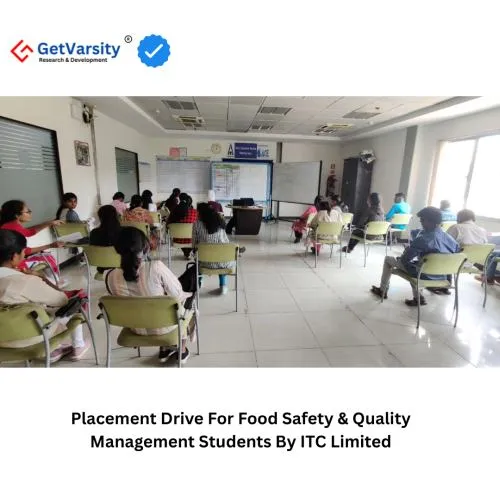
The Codex Alimentarius (Latin for "Food Code") is a collection of internationally recognised food standards, guidelines, and codes of practice developed by the Codex Alimentarius Commission, a joint body of the WHO (World Health Organization) and FAO (Food and Agriculture Organization). The Codex HACCP guidelines form the basis for HACCP systems worldwide, and Codex food standards are the reference point for WTO (World Trade Organization) food trade disputes. Understanding Codex standards is essential for food safety professionals involved in international food trade and export. GetVarsity's PGDFSQM covers Codex Alimentarius principles as the foundation for HACCP training, ensuring graduates understand the international regulatory framework underlying all national food safety systems.

Yes, BSc Microbiology and BSc Chemistry graduates or any lifescience dgree from Kerala universities such as MG University, Calicut University, Kerala University, and CUSAT are fully eligible for the PG Diploma in Food Safety & Quality Management at GetVarsity. These science backgrounds provide an excellent foundation for food microbiology testing, chemical analysis of food, HACCP implementation, and ISO 22000 compliance — all core components of this program. Graduates from any recognised Indian or international university with a life-science-related degree can apply.

The GetVarsity PG Diploma in Food Safety & Quality Management offers several distinct advantages over IGNOU's PGDFSQM. GetVarsity provides hands-on practical microbiology lab training, 1–6 months of guaranteed industry internships at leading food companies, 12+ industry-recognised certifications including HACCP Level 3 & 4, TUV SUD Germany certificate, and FSSAI FoSTaC — none of which are included in IGNOU's distance-learning format. GetVarsity also offers flexible learning modes (online, offline, hybrid, on-job), dedicated placement assistance, and certificates eligible for apostille attestation in 150+ countries. IGNOU's program is purely theoretical and distance-based with no internship or lab component.

Absolutely. The Gulf countries, especially the UAE, Saudi Arabia, Qatar, Oman, and Kuwait, have rapidly growing food manufacturing, hospitality, and catering industries that require HACCP-certified and ISO 22000-trained food safety professionals. GetVarsity's PG Diploma includes TUV SUD Germany certification and apostille-eligible certificates recognised in 150+ countries, making graduates highly competitive for Gulf food safety roles. Typical positions include Food Safety Officer, QA/QC Manager, HACCP Coordinator, and Food Safety Auditor in companies across Dubai, Abu Dhabi, Riyadh, Doha, and Muscat. Starting salaries in the Gulf range from AED 4,000–8,000 per month for entry-level roles.

While Kerala PSC Food Safety Officer recruitment requires a B.Tech/M.Sc in Food Technology or related discipline as the primary eligibility, the PG Diploma in Food Safety & Quality Management provides in-depth knowledge of FSSAI regulations, food laws, food microbiology, chemical analysis, HACCP principles, and food safety standards — all of which are core topics in the Kerala PSC Food Safety Officer exam syllabus. This practical training gives you a strong competitive advantage in both written exams and interviews. For FSSAI's Central Food Safety Officer (CFSO) recruitment, this diploma adds significant value to your profile.

A food technology degree (B.Tech/M.Tech/B.Sc Food Technology) is a broad academic program covering food processing, preservation, product development, packaging, and engineering — typically 3–4 years long. A food safety and quality management course is a specialised, industry-focused program that trains you specifically in food safety regulations (FSSAI, FDA, EU), quality management systems (ISO 22000, ISO 9001), hazard analysis (HACCP, TACCP, VACCP), food auditing, and compliance. The PG Diploma in Food Safety is shorter (6–12 months), more career-focused, and provides multiple industry certifications that make you immediately employable in QA/QC, auditing, and regulatory compliance roles — areas where food technology graduates often lack specialised training.

Yes, GetVarsity offers No Cost EMI finance options for the PG Diploma in Food Safety & Quality Management, making the course financially accessible for students and working professionals. Additionally, students may be eligible for Government Skill Loans and IIRDC GST exemptions. The institute supports learners in accessing Skill India financing schemes and other educational loan facilities. Contact GetVarsity's admissions team for a personalised fee structure and EMI plan based on your chosen course duration (6-month Diploma or 12-month PG Diploma).

Kerala's food industry — including restaurants, bakeries, catering services, spice exporters, seafood processors, and packaged food manufacturers — must comply with FSSAI licensing and food safety regulations. This course trains entrepreneurs in FSSAI FoSTaC compliance, HACCP implementation, GMP & GHP practices, food labeling laws, and quality management systems required for FSSAI State and Central licenses. Restaurant and cloud kitchen owners gain knowledge to train their staff, pass FSSAI inspections, and maintain hygiene standards. For food exporters, the ISO 22000 and HACCP certifications are mandatory for accessing international markets in the EU, USA, and Middle East.

Kerala is one of India's leading seafood exporters and has a thriving food processing sector covering spices, coconut products, cashews, ready-to-eat foods, dairy (MILMA), and bakery products. Indeed.com lists 700+ food safety job vacancies in Kerala alone, with 100+ quality and food safety manager positions. Every FSSAI-licensed food business in Kerala requires trained food safety supervisors under FoSTaC regulations. The state's growing food export industry to Europe, USA, Japan, and the Middle East demands professionals trained in HACCP, ISO 22000, BRCGS, and international compliance standards. This creates consistent demand for qualified food safety graduates in Kochi, Calicut, Thiruvananthapuram, Thrissur, and across all 14 districts.

Yes, GetVarsity specifically designed this program for working professionals. The course is offered in four flexible modes: fully online classes, offline classroom sessions in Kochi, hybrid (combination of online and offline), and on-job learning where you train while working at a food industry. Weekend and evening batch options are available. The 12-month PG Diploma format allows you to balance work and study effectively. Many food industry employees from companies and seafood processing units upskill through this program while continuing their employment.

GetVarsity provides hands-on practical microbiology lab training at its centre in Kochi, Kerala. Students learn real-world laboratory techniques including pour plate and spread plate methods, colony counting, Gram staining, streak plating, detection of foodborne pathogens (Salmonella, Listeria, Staphylococcus aureus, E. coli, Vibrio, Shigella), MPN (Most Probable Number) method, EMB agar testing, water potability analysis per IS 10500:2012 standards, and chemical proximate analysis of food (moisture, ash, protein, fat, fibre, carbohydrates). This practical component distinguishes GetVarsity from purely online or distance-learning food safety programs.

GetVarsity has placement partnerships with leading food companies in India. Graduates and interns are placed at organisations including AMUL, MILMA, ITC, Lazza, Lulu Flight Kitchen, PKM Fine Foods, Kings Seafoods, Joy Ice Creams, Surbojan, Stevia, Haldirams, ATC, Elanadu Milk, and specialised Food Analysis Laboratories. The 1–6 month industry internship gives students hands-on experience in real food manufacturing, quality control, and food testing environments. GetVarsity provides 100% placement assistance with dedicated career development modules including resume building, interview preparation, and industry networking.

The IIRDC NHEQF PG Diploma from GetVarsity is recognised by NCVET, NSDC, UGC, Skill India, and is aligned with the National Credit Framework (NCrF) at Level 6. The certificate is issued on DigiLocker with Academic Bank of Credits (ABC), making it a government-authenticated qualification. It is valid for state and central government positions where skill qualifications under NSQF/NHEQF are accepted. While UPSC and state PSC Food Safety Officer posts typically require academic degrees (B.Tech/M.Sc), this diploma significantly strengthens your profile for FSSAI recruitment, food regulatory positions, and government MSME schemes. It also qualifies you for government apprenticeship and internship schemes.

The curriculum is designed for global career readiness and covers food safety regulatory frameworks across multiple jurisdictions: FSSAI and Essential Commodities Act (India), USFDA and FSMA Act (United States), EU Food Safety Regulations (European Union), Codex Alimentarius Commission (International), FTDR Act for food import/export, and GFSI-benchmarked standards including BRCGS and IFS. Students also learn ISO 22000:2018, ISO 9001:2015, and ISO 17025 — all internationally recognised standards. This comprehensive international coverage is why the certificate is valued in 150+ countries.

Yes, graduates with B.Sc Botany, B.Sc Zoology, B.Sc Hotel Management, BHM, and any life-science-related bachelor's degree are eligible to apply for the PG Diploma in Food Safety & Quality Management at GetVarsity. The course is designed to accommodate students from diverse science backgrounds. Hotel Management graduates particularly benefit as the course covers food safety in catering, hospitality hygiene standards, HACCP for catering operations, and FSSAI compliance for restaurants and food service establishments — making them highly employable in the hotel and hospitality quality assurance sector.

India's food safety sector is experiencing unprecedented growth. FSSAI has made it mandatory for every food business operator (FBO) to have trained Food Safety Supervisors under the FoSTaC program. With over 75 lakh FSSAI-registered food businesses in India and the number growing rapidly, the demand for trained food safety professionals far exceeds supply. The Indian food processing industry is projected to reach $535 billion by 2026. FSSAI's Central Food Safety Officer (CFSO) recruitment offers government salaries starting at INR 44,900 basic pay (INR 65,000–INR 85,000 in-hand per month). Private sector roles in FMCG companies like Nestle, ITC, Britannia, Amul, and Hindustan Unilever offer INR 3–15 LPA depending on experience.

Yes, auditing is a core component of the curriculum. Students learn to plan and conduct audits per ISO 19011:2018 guidelines, internal auditing for ISO 22000:2018 and ISO 9001:2015, HACCP verification audits, supplier auditing, and compliance auditing against BRCGS, IFS, and GFSI standards. The program includes ISO Internal Auditor certification. After completing the PG Diploma and gaining 2–3 years of industry experience, graduates can pursue Lead Auditor certifications from bodies like IRCA, SGS, Bureau Veritas or from getvarsity to become certified third-party food safety auditors — one of the highest-paying career paths in the food industry with experienced auditors earning INR 15–30 LPA or more.

TACCP (Threat Assessment and Critical Control Points) addresses intentional contamination threats such as bioterrorism, sabotage, and ideologically motivated food tampering. VACCP (Vulnerability Assessment and Critical Control Points) addresses economically motivated adulteration (EMA) — such as adding melamine to milk, Sudan dye to spices, or substituting cheaper ingredients. Both are increasingly required by GFSI-benchmarked standards (BRCGS, FSSC 22000, IFS) and major global retailers. GetVarsity's course includes Level 3 certification in both TACCP and VACCP, making graduates qualified for food defense and food fraud prevention roles — a rapidly growing specialisation that most competitor courses in Kerala and India do not cover.

TUV SUD is one of the world's most respected testing, inspection, and certification (TIC) organisations headquartered in Munich, Germany. A TUV SUD Food Safety Professional certificate signals to international employers that your training meets rigorous European standards. This certificate is particularly valued by food companies exporting to the EU, multinational FMCG corporations, food safety consultancies, and employers in Germany, UK, USA, Canada, Australia, and the Middle East. IIRDC (GetVarsity's accrediting body) is TUV SUD's exclusive Food Sector Cooperative Partner, meaning this certificate is not available through most other food safety training institutes in India.

HACCP Level 3 (Intermediate) trains you in the practical implementation of the 7 HACCP principles and 12-step methodology — identifying hazards, establishing critical control points, setting critical limits, and creating monitoring procedures. It qualifies you for HACCP Coordinator and food safety supervisor roles. HACCP Level 4 (Advanced/Management) is designed for senior managers and auditors who oversee HACCP systems, validate food safety plans, manage HACCP teams, and conduct internal audits. Most competitor courses in India offer only one level. GetVarsity includes both Level 3 and Level 4 in Manufacturing and Catering, preparing graduates for entry-level through senior management positions across all food sectors.

Yes, this course provides the foundational knowledge for food safety entrepreneurship. Graduates gain practical lab skills in microbiological and chemical analysis, understanding of ISO 17025 (Laboratory Quality Management), FSSAI compliance expertise, and auditing capabilities. Many graduates start food safety consultancies helping restaurants, food manufacturers, and exporters achieve FSSAI licensing, HACCP certification, and ISO 22000 implementation. With experience, you can establish an NABL-accredited food testing laboratory. The course also covers food processing quality management, making graduates eligible for MSME government schemes, Skill India subsidies, and startup loans for food safety ventures.

Kerala contributes over 70% of India's spice production and is the largest seafood exporting state. The Cochin Port and Kochi's Spices Board-registered exporters require HACCP-certified quality control professionals to meet EU, USA, and Japanese import standards. Every seafood processing plant in Kerala (concentrated in Kochi, Alappuzha, Kollam, and Kannur) must maintain HACCP plans, conduct microbiological testing, and ensure compliance with EIC (Export Inspection Council) requirements. Major employers include seafood exporters, spice processing companies (Eastern Condiments, Nirapara, Kitchen Treasures), coconut product manufacturers, and Kerala's growing ready-to-eat food sector.

DigiLocker is the Government of India's official digital document platform linked to Aadhaar. GetVarsity's IIRDC NHEQF certificates are issued directly on DigiLocker, providing tamper-proof, government-verified digital credentials accessible anytime from anywhere. The Academic Bank of Credits (ABC) stores your earned credits (20–40 credits based on course hours) which can be transferred to other universities and higher education institutions that follow UGC guidelines under NEP 2020. This means your food safety diploma credits can potentially count toward future M.Sc or MBA programs, enabling stackable learning pathways — a feature unique to NCVET/NHEQF-aligned programs like GetVarsity's.

No, there is no upper age limit for enrolling in the PG Diploma in Food Safety & Quality Management at GetVarsity. The only requirement is a bachelor's degree in a life-science-related field. Working professionals in their 30s, 40s, or 50s looking to upskill, change careers, or add food safety certifications to their existing qualifications are welcome. Many mid-career food industry professionals, restaurant managers, food business owners, and quality control executives enrol to formalise their practical experience with recognised certifications and advance to senior management or consulting roles.

The curriculum integrates United Nations Sustainable Development Goals (SDGs), specifically focusing on reducing food loss and waste across the supply chain, building a strong food safety culture within organisations, and ethical decision-making in food production. Students learn about environmental monitoring programs, sustainable food processing practices, and the growing importance of ESG (Environmental, Social, Governance) compliance in the food industry. As global food companies increasingly require sustainability reporting and food waste reduction targets, professionals with combined food safety and sustainability knowledge are becoming highly sought after by multinational corporations and food export companies.
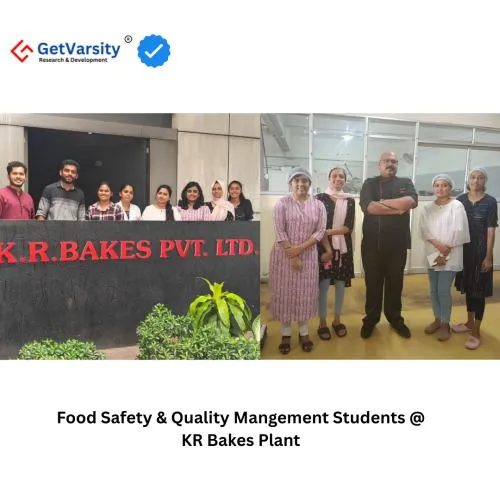
Apostille attestation is an international certification under the Hague Convention that authenticates documents for use in 150+ member countries without additional embassy legalisation. GetVarsity's IIRDC NHEQF certificates are eligible for apostille attestation through the Ministry of External Affairs, India. This means your food safety diploma, HACCP certificates, and other credentials can be legally verified and accepted by employers, immigration authorities, and professional licensing bodies in the USA, UK, Canada, Australia, Germany, UAE, Saudi Arabia, Qatar, and all Hague Convention countries. This is critical for food safety professionals seeking international employment, especially in the Gulf, Europe, and North America where credential verification is mandatory.

Candidates must hold a bachelor's degree (B.Sc, B.Tech, B.Voc, or equivalent) in any life science discipline to enrol in this PG Diploma. Preferred backgrounds include food technology, food science, microbiology, biochemistry, biotechnology, chemistry, nutrition and dietetics, dairy technology, agriculture, botany, zoology, and hotel management. Working professionals currently employed in food manufacturing, FMCG, catering, hospitality, or pharmaceutical quality control are also eligible and can opt for online, hybrid, or weekend learning modes. There is no upper age limit, and entrepreneurs planning to establish FSSAI-registered food businesses will also benefit. For the 6-month Diploma (non-NCrF aligned), a graduate degree is preferred but evaluated case-by-case, while the 12-month PG Diploma (NCrF Level 6 aligned) strictly requires a completed graduation.

GetVarsity offers two programme durations. The Diploma variant runs for 6 months (600 hours) of practical training and on-site industry internship, covering all core food safety topics. The PG Diploma variant, which is NCrF Level 6 aligned and eligible for 40 ABC Skill Credits on DigiLocker, runs for 12 months (1,200 hours). Both programmes include classroom instruction, microbiology laboratory practicals, HACCP implementation exercises, and a mandatory 1-to-6-month industry internship at leading food companies. Students can choose between offline classes at the Kochi campus, fully online sessions, a hybrid combination of both, or on-the-job training mode — making it flexible for fresh graduates, working professionals, and career-changers across India and internationally.

The programme bundles multiple nationally and internationally recognised certifications into a single enrolment. Students earn an IIRDC NHEQF/NCrF Level 6 PG Diploma with 40 ABC Credits on DigiLocker, a TÜV SÜD Certified Food Safety Professional certificate, HACCP Level 3 and Level 4 certifications, Food Safety Level 4 certification, TACCP and VACCP Level 3 certification, FSSAI FoSTaC Advance Manufacturing Food Safety Supervisor certification, and multiple ISO Internal Auditor certificates covering ISO 9001:2015 and ISO 22000:2018. All certificates are digitally verifiable, uploaded on DigiLocker, and integrated with the Academic Bank of Credits (ABC). The TÜV SÜD certification alone is recognised in over 150 countries, making graduates employable in the UAE, USA, Canada, UK, EU, and other markets with stringent food safety regulations.

GetVarsity offers customised fee plans depending on the programme variant (6-month Diploma or 12-month PG Diploma), learning mode (online, offline, hybrid, or on-the-job), and whether the student opts for additional certifications like TÜV SÜD. Flexible instalment payment options and government skill loan facilitation are available. IIRDC-affiliated programmes may also qualify for GST exemptions on education services. For the most current fee details and scholarship availability, prospective students should contact the admissions office directly at +91-7306136806 via phone or WhatsApp, or submit a fee enquiry through the course page. GetVarsity's placement assistance, multiple bundled certifications, and industry internship make the overall value significantly higher than single-certification courses available elsewhere.

Graduates can pursue over 30 distinct career paths across the food supply chain. Entry-level roles include Food Safety Assistant, Quality Control Technician, Microbiology Lab Assistant, and Food Processing Operator. Mid-career positions include Food Safety Officer, HACCP Coordinator, Food Safety Supervisor, Regulatory Affairs Specialist, Food Labeling Compliance Officer, and TACCP/VACCP Coordinator. Senior and leadership roles include Lead Food Auditor, Quality Assurance Manager, Food Plant Manager, Food Regulatory Consultant, and Head of Food Safety & Compliance. Graduates also enter entrepreneurship, starting food testing laboratories, HACCP consulting firms, and FSSAI compliance advisory businesses. Top recruiting companies include AMUL, ITC, Haldiram's, Lulu Group, Nestlé, Britannia, and independent NABL-accredited food testing laboratories across India.

While HACCP certification is not legally mandated for individual employees under Indian law, the Food Safety and Standards Authority of India (FSSAI) requires all food businesses to implement HACCP-based food safety management systems under the Food Safety and Standards (Licensing and Registration) Regulations. This creates enormous demand for professionals holding HACCP Level 3 and Level 4 certifications. Most food manufacturing companies, FMCG giants, food export units, and hospitality chains in India list HACCP knowledge as a mandatory or strongly preferred qualification in their job descriptions. Globally, HACCP is a legal requirement for food exports to the EU, USA, Canada, and GCC countries, making HACCP certification essential for anyone pursuing an international food safety career.

HACCP Level 3 is an intermediate certification designed for food safety supervisors and team members responsible for implementing and maintaining HACCP plans within food production environments. It covers the seven HACCP principles, hazard identification, Critical Control Point (CCP) determination, monitoring procedures, and corrective actions. HACCP Level 4, also called the HACCP Management or Advanced course, is designed for senior managers, lead auditors, and food safety consultants who oversee HACCP systems at an organisational level. Level 4 covers HACCP plan development from scratch, validation and verification of existing systems, managing multi-site HACCP programmes, integration with ISO 22000, and leading internal and external food safety audits. GetVarsity's PG Diploma includes both levels, preparing graduates for supervisory and managerial food safety roles.

The Food Safety and Standards Authority of India (FSSAI), established under the Food Safety and Standards Act 2006, is the apex regulatory body governing food safety in India. FSSAI sets science-based standards for food products, regulates food manufacturing and processing, oversees food imports and exports, manages the food licensing and registration framework, and administers the FoSTaC (Food Safety Training and Certification) programme that certifies food safety supervisors across the country. Every food business operator in India must hold a valid FSSAI licence or registration. Professionals trained in food safety and quality management work directly with FSSAI compliance requirements, conducting audits, managing documentation, and ensuring that food products meet the prescribed standards for safety, labeling, and hygiene before reaching consumers.

ISO 22000:2018 is an international standard published by the International Organization for Standardization (ISO) that specifies requirements for a Food Safety Management System (FSMS). It combines the principles of HACCP with prerequisite programmes (PRPs), management system requirements, and interactive communication across the food chain. ISO 22000 follows the Annex SL High-Level Structure with 10 clauses covering organisational context, leadership, planning, support, operations, performance evaluation, and continual improvement. For food safety professionals, ISO 22000 certification and internal auditor competence are highly valued by employers because the standard is recognised globally and accepted by food regulators, retailers, and supply chain partners across 160+ countries. GetVarsity's PG Diploma includes detailed clause-by-clause training and ISO Internal Auditor certification.

Yes, GetVarsity offers its PG Diploma in Food Safety and Quality Management through fully online, offline (Kochi campus), hybrid, and on-the-job training modes. Online students receive live instructor-led classes, access to recorded lectures, digital study materials, and virtual microbiology lab demonstrations. The online programme includes the same certifications — HACCP Level 3 & 4, FSSAI FoSTaC, TÜV SÜD, and ISO Internal Auditor — as the offline variant. For the mandatory industry internship component, GetVarsity assists in arranging internship placements at food companies near the student's location across India. Students from Kerala, Tamil Nadu, Karnataka, Maharashtra, Delhi NCR, Gujarat, and all other states have successfully completed the programme online with full certification and placement assistance.

Food safety and food quality management are related but distinct disciplines within the food industry. Food safety focuses on preventing biological, chemical, and physical hazards that could make food unsafe for human consumption — it deals with contamination, pathogens like Salmonella and Listeria, chemical residues, and allergen controls using frameworks like HACCP and FSSAI regulations. Food quality management, on the other hand, ensures food products consistently meet defined specifications for taste, texture, appearance, nutritional content, shelf-life, and packaging standards using systems like ISO 9001:2015 and Total Quality Management (TQM). In practice, both disciplines overlap significantly — for instance, ISO 22000 integrates food safety management with quality management principles. A PG Diploma covering both areas prepares graduates for comprehensive roles across the production-to-consumer chain.

TACCP (Threat Assessment and Critical Control Points) and VACCP (Vulnerability Assessment and Critical Control Points) are complementary food defense and food fraud prevention frameworks. TACCP addresses intentional contamination threats — including sabotage, bioterrorism, and malicious tampering — by assessing the likelihood and impact of deliberate attacks on the food supply chain. VACCP addresses economically motivated adulteration (EMA) and food fraud — such as substitution, dilution, mislabeling, and counterfeiting — by evaluating supplier vulnerabilities and implementing detection mechanisms. Both frameworks are now integral to global food safety standards including BRCGS, IFS, and FSSC 22000. GetVarsity's Level 3 TACCP & VACCP certification teaches students to conduct systematic risk assessments, develop mitigation strategies, and integrate these protocols into broader HACCP and ISO 22000 management systems.

NCVET (National Council for Vocational Education and Training) is the Government of India's apex regulatory body for vocational education, established under the Ministry of Skill Development and Entrepreneurship. NCVET recognises Awarding Bodies and Assessment Agencies that meet its quality standards for skill-based education. GetVarsity operates as a Training Centre under IIRDC & Getvarsity itself, which is an NCVET-Awarding Body empanelled Training body. This means GetVarsity's PG Diploma in Food Safety and Quality Management is aligned with the National Credit Framework (NCrF), carries NSQF Level 6 recognition, and awards credits that are deposited into the Academic Bank of Credits (ABC) via DigiLocker. NCVET recognition ensures that the certification is accepted by government agencies, Skill India partners, recognised skill universities, and employers across India for both employment and further education purposes.

GetVarsity provides 100% placement assistance to all students completing the PG Diploma in Food Safety and Quality Management. The placement support includes resume building, interview preparation coaching, soft skills and communication training, and direct placement drives with industry partners. Recent graduates have been placed at companies including ITC, AMUL, Milma, Lazza, Lulu Flight Kitchen, PKM Fine Foods, Kings Sea Foods, Joy Ice Creams, ATC, Elanadu Milk, and various NABL-accredited food testing laboratories. The mandatory 1-to-6-month industry internship also frequently converts into full-time employment offers. Career development modules are integrated into the curriculum, and the admissions team maintains active relationships with food manufacturing, FMCG, dairy, pharmaceutical, and hospitality companies across India and the GCC region.

The 1,200-hour curriculum covers these major modules: Food Fundamentals and Chemistry (macronutrients, micronutrients, food additives, preservation methods); Food Laws, Standards and Labeling (FSSAI, Codex Alimentarius, USFDA, EU regulations, FTDR Act); Principles of Food Safety and Quality Management (GMP, GHP, GAP, prerequisite programmes, supply chain logistics); Food Safety and Quality Management Systems (ISO 9001:2015, ISO 22000:2018, BRCGS, GFSI, PDCA cycle); Microbiological Analysis of Food and Water (pathogen detection, pour plate, colony count, Gram staining); Chemical Analysis of Food (proximate analysis, sugar, vitamins, antioxidants); Water Potability Analysis (IS 10500:2012 parameters); HACCP Level 3 and Level 4; Food Safety Level 4; TACCP and VACCP Level 3; FSSAI FoSTaC; Microbiology Practical Lab; Industrial Internship; and Placement Assistance with career development.

TÜV SÜD is a globally respected German testing, inspection, and certification organisation with presence in over 50 countries. The TÜV SÜD Certified Food Safety Professional credential validates that the holder possesses comprehensive knowledge of international food safety management systems, HACCP principles, regulatory compliance, and quality auditing methodologies. GetVarsity is a TÜV SÜD-approved training centre under the IIRDC confederation, and the full TÜV SÜD Food Safety Professional programme is integrated into the PG Diploma curriculum. This certification is particularly valuable for professionals targeting careers in export-oriented food companies, multinational FMCG corporations, and food businesses operating in markets that require European or international safety certifications. The TÜV SÜD certificate carries recognition in 150+ countries including the EU, Middle East, USA, and Southeast Asia.

The IIRDC NHEQF/NCrF Level 6 certificate earned through this programme is a nationally standardised skill qualification aligned with the National Credit Framework and Skill India Mission guidelines. It is valid for government and private sector positions where NSQF/NHEQF-level skill qualifications are accepted as eligibility criteria. The certificates are issued on DigiLocker (government-authenticated), carry 40 ABC Credits, and are mapped to the National Academic Depository (NAD). For specific government recruitment positions — such as FSSAI Food Safety Officer, state food laboratory analyst, or public health inspector roles — candidates should verify the particular educational requirements in the recruitment notification, as some positions may require a specific UGC-recognised academic degree (M.Sc, M.Tech) in addition to skill certifications.

Food safety professionals are in demand across a wide spectrum of industries. The largest employers include food manufacturing and processing companies (dairy, bakery, beverages, snacks, meat, seafood), FMCG companies (Nestlé, ITC, Britannia, Parle, Haldiram's), food export businesses (requiring HACCP and ISO 22000 compliance for international markets), food testing and research laboratories (NABL-accredited labs), hotels, restaurants, and institutional catering services (QSRs, airline catering, hospital kitchens), pharmaceutical and nutraceutical companies (requiring cGMP compliance), agricultural and organic food certification bodies, government food regulatory agencies (FSSAI, state food safety departments), and retail and supermarket chains (for food labeling compliance and vendor audits). The growing awareness of food safety after the FSSAI's strengthened enforcement has created a sustained talent shortage in this field.

A traditional M.Sc or M.Tech in Food Technology from a university is a 2-year academic degree focused heavily on food science research, product development, food engineering, and theoretical knowledge. GetVarsity's PG Diploma, by contrast, is a 6-to-12-month skill-focused programme designed specifically for industry employability. The key differences are: the PG Diploma includes multiple industry certifications (HACCP, TÜV SÜD, FSSAI FoSTaC, ISO Internal Auditor) that employers actively seek in job listings; it includes 1-to-6 months of mandatory industry internship at actual food companies; it teaches practical microbiology lab skills and audit methodologies rather than academic research; and it offers online, hybrid, and on-the-job modes that working professionals can access. Both qualifications are valuable — the academic degree suits research careers, while the PG Diploma fast-tracks entry into operational food safety and quality roles.

DigiLocker is a Government of India digital document storage platform launched under the Digital India initiative by the Ministry of Electronics and Information Technology. It provides citizens with a secure, cloud-based space to store, access, and share government-verified documents. GetVarsity's IIRDC NHEQF certificates are issued directly on DigiLocker, meaning they are digitally signed by the issuing authority and tamper-proof. Students can access their PG Diploma certificate, individual certification documents, and ABC (Academic Bank of Credits) credit statements anytime from the DigiLocker app or website. The benefits include instant verification by employers without physical document submission, acceptance by government agencies and educational institutions, and the ability to share authenticated certificates directly during job applications, university admissions, or visa processes.

The microbiology practical laboratory component trains students in detection and enumeration of critical foodborne pathogens including Staphylococcus aureus, Listeria spp., Salmonella spp., Shigella spp., Pseudomonas spp., Vibrio spp., E. coli, and coliform bacteria. Specific techniques covered include pour plate method, spread plate method, colony counting, streaking for isolation, Gram staining, and the Most Probable Number (MPN) technique for water analysis. Students also learn to detect food pathogenic fungi (yeast and mold analysis) and assess water potability using Eosin Methylene Blue (EMB) agar for coliform identification. These hands-on skills — performed in an actual microbiology laboratory setting — prepare graduates for roles in NABL-accredited food testing labs, food manufacturing QC departments, and regulatory inspection agencies where microbiological testing is a daily requirement.

The National Credit Framework (NCrF), approved by the Government of India in 2023, is a unified framework that integrates academic education (NHEQF), skill education (NSQF), and school education into a single credit-based system. Under NCrF, every qualification level (1-8) carries defined credit values that are stackable, transferable, and recognised across educational institutions and employers. GetVarsity's 12-month PG Diploma is aligned at NCrF Level 6, earning students 40 ABC Skill Credits deposited in the Academic Bank of Credits via DigiLocker. The practical benefits for students are significant: these credits can be used toward higher education (M.Voc, Master's programmes) at participating skill universities, are recognised by NCVET-empanelled employers, enable multiple entry-exit flexibility, and carry acceptance for government schemes, apprenticeships (NATS/NAPS), and MSME loan applications that require proof of technical training.

GetVarsity's physical training centre is located at Mangalath Tower, N Janatha Road, Palarivattom, Kochi, Ernakulam, Kerala 682025, near JLN Stadium Metro Station. Students from all Kerala districts — Ernakulam, Thrissur, Kozhikode (Calicut), Thiruvananthapuram (Trivandrum), Malappuram, Palakkad, Kottayam, and others — can attend offline or hybrid classes. For students outside Kerala, the fully online programme delivers the same curriculum, certifications, and placement assistance. International students from the UAE, Saudi Arabia, Oman, Qatar, Kuwait, USA, Canada, UK, and other countries can enrol in the online programme and receive certifications that carry global recognition through TÜV SÜD and IIRDC. GetVarsity's courses are available to students worldwide, with admissions processed through phone (+91-7306136806), WhatsApp, or the website enquiry form.

A food safety course is a structured training programme that teaches professionals how to prevent contamination, ensure regulatory compliance, and maintain quality standards across the food supply chain. Food safety training has become essential because the Food Safety and Standards Authority of India (FSSAI) mandates that every food business operator employ at least one trained Food Safety Supervisor. The global food safety testing market is projected to exceed USD 29 billion by 2027, driving massive demand for qualified professionals. A well-designed food safety course covers hazard analysis, Good Manufacturing Practices (GMP), Good Hygienic Practices (GHP), HACCP principles, and international standards like ISO 22000. GetVarsity's NCVET-recognised PG Diploma in Food Safety & Quality Management goes beyond basic certification — it includes HACCP Level 3 & Level 4, FSSAI FoSTaC, and TÜV SÜD Germany accreditation, making graduates eligible for supervisory and managerial roles in food manufacturing, hospitality, export, and regulatory agencies across India and abroad.

Food safety courses in India range from short-term FSSAI FoSTaC certifications (2–3 days) to full PG Diploma programmes (12 months) that provide comprehensive training in food safety, quality management, and auditing. At the certificate level, FSSAI offers FoSTaC (Food Safety Training & Certification) for food handlers, supervisors, and trainers. Diploma-level programmes typically cover food microbiology, food chemistry, and basic HACCP. PG Diploma programmes like GetVarsity's PGDFSQM offer advanced modules including HACCP Level 3 & Level 4, ISO 22000 Lead Auditor preparation, FSSAI regulatory compliance, food toxicology, and quality management systems. Universities like IGNOU offer distance PG Diplomas, while private institutions provide classroom-based programmes. The key differentiator is accreditation — GetVarsity's programme is recognised by NCVET (National Council for Vocational Education and Training) Awae and accredited by TÜV SÜD Germany, with credits integrated into the Academic Bank of Credits (ABC) and DigiLocker, giving graduates nationally verifiable credentials.

A food safety course is ideal for science graduates, food technology professionals, quality control officers, food business operators, hotel management graduates, and anyone seeking a career in food manufacturing, export, or regulatory compliance. FSSAI regulations require every food business in India — from restaurants to large-scale manufacturers — to have certified food safety supervisors on staff. This creates demand across diverse roles: Quality Assurance Managers, Food Safety Officers, HACCP Auditors, FSSAI Compliance Officers, Food Lab Analysts, and Supply Chain Quality Managers. Fresh graduates in BSc (Chemistry, Microbiology, Biotechnology, Life Sciences), BTech Food Technology, BHM (Hotel Management), and B.Pharma find food safety courses particularly valuable for career entry. Working professionals in food production, hospitality, and catering use PG Diploma programmes like GetVarsity's PGDFSQM to upskill and qualify for senior positions. The programme's NCVET Awarding body recognition and TÜV SÜD accreditation make it equally valuable for professionals targeting international food safety roles.

Food safety course duration ranges from 2 days for basic FSSAI FoSTaC certification to 12 months for a comprehensive PG Diploma in Food Safety & Quality Management. Basic food handler certificates from FSSAI take 2–3 days. Diploma programmes run 6 months to 1 year depending on the institution. The most thorough option is a PG Diploma programme — GetVarsity's PGDFSQM is a 12-month, two-semester programme structured as follows: Semester 1 covers food chemistry, food microbiology, food processing technology, HACCP Level 3, GMP, GHP, and FSSAI FoSTaC. Semester 2 advances to HACCP Level 4, ISO 22000 implementation, food toxicology, food packaging technology, environmental management, and quality management systems including ISO 9001. This structured duration ensures graduates develop both theoretical knowledge and practical auditing skills required by industry. The 12-month format also aligns with NCVET Awarding Body and NHEQF (National Higher Education Qualifications Framework) requirements for PG Diploma-level credit accumulation.

Yes, free food safety course PDFs and study materials are available from FSSAI, WHO, FAO, and Codex Alimentarius, but these provide only foundational knowledge — not the industry-recognised certifications that employers require. FSSAI publishes free training manuals for FoSTaC programmes covering food hygiene, HACCP basics, and food regulations. The World Health Organization's "Five Keys to Safer Food" manual is another widely used free resource. IGNOU provides its PGDFSQM syllabus materials through eGyanKosh. However, PDF-based self-study cannot replace structured programmes that include laboratory practicals, industry visits, mock audits, and internationally accredited assessments. GetVarsity's PG Diploma in Food Safety & Quality Management provides comprehensive study materials aligned with NCVET Awarding body standards, complemented by practical training in HACCP implementation, ISO 22000 auditing, and FSSAI compliance documentation. Graduates receive TÜV SÜD-accredited and NCVET Awarding body -recognised certifications that PDF courses simply cannot provide — credentials that are verifiable through DigiLocker and the Academic Bank of Credits.

The best food safety courses in Kerala include GetVarsity's NCVET Awarding Body & TÜV SÜD-recognised PG Diploma in Food Safety & Quality Management (PGDFSQM), offered from their Kochi & Calicut campus and through online worldwide with 12 months of comprehensive training covering HACCP, ISO 22000, and FSSAI compliance. Kerala, India has a growing food processing industry valued at over INR 12,000 crore, creating strong demand for certified food safety professionals. Several institutions offer food safety training in Kerala.But What sets GetVarsity apart is the combination of NCVET Awarding body recognition (Government of India), TÜV SÜD Germany accreditation (internationally recognised), HACCP Level 3 & Level 4 certification, FSSAI FoSTaC included in the curriculum, and credits deposited directly into the Academic Bank of Credits. This multi-certification approach gives GetVarsity graduates a significant advantage in Kerala's competitive food industry job market.

GetVarsity, based in Kochi, offers the best PG Diploma in Food Safety and Quality Management in Kerala — it is the only programme in the state that combines NCVET Awarding body recognition, TÜV SÜD Germany accreditation, and integrated HACCP Level 3 & 4 certification within a single 12-month curriculum. When choosing a PG Diploma in Food Safety and Quality Management in Kerala, key differentiators include government recognition, international accreditation, practical training quality, and credential verifiability. GetVarsity's PGDFSQM is aligned with the National Higher Education Qualifications Framework (NHEQF) and the National Credit Framework (NCrF), meaning credits are deposited into India's Academic Bank of Credits (ABC) and certificates are verifiable through DigiLocker. The curriculum covers 16+ modules including food microbiology, food chemistry, HACCP implementation, ISO 22000, FSSAI regulations, food toxicology, and quality management systems. Competing programmes in Kerala either lack NCVET recognition or do not include international certifications like TÜV SÜD accreditation within their fee structure.

Yes, GetVarsity operates from Kochi (Ernakulam), offering a 12-month PG Diploma in Food Safety & Quality Management with classroom training at their centre near Kaloor, JLN Stadium Metro Station. Kochi is an ideal location for food safety training because Ernakulam district hosts Kerala's largest concentration of food processing units, seafood export companies, spice manufacturers, hotel chains, and FSSAI-registered food businesses. GetVarsity's Kochi campus provides hands-on training with access to food laboratories, industry visits to local food manufacturing facilities, and practical mock audit sessions. The campus is easily accessible via Kochi Metro (Kaloor JLN Stadium Metro station) and is well-connected to all parts of Ernakulam. Students from Thrissur, Kottayam, Alappuzha, Idukki, and other Kerala districts regularly commute to the Kochi centre. The programme schedule accommodates working professionals with flexible batch timings. GetVarsity also provides placement assistance connecting graduates with food companies, hotels, hospitals, and quality testing laboratories across Kerala and South India.

The best food safety and quality management courses in India include GetVarsity's PGDFSQM (NCVET AB & TÜV SÜD-recognised), IGNOU's PGDFSQM (distance mode), IGMPI's PG Diploma (government institute), and university programmes at CFTRI and NIFTEM — with GetVarsity offering the strongest combination of accreditations and practical certifications. India's food safety and quality management courses can be categorised by recognition level: NCVET-recognised programmes (like GetVarsity's PGDFSQM) carry Government of India backing under the Ministry of Skill Development and Entrepreneurship. University programmes (IGNOU, CFTRI-Mysore, NIFTEM-Sonipat) offer UGC-recognised degrees. Private institutions offer varying levels of industry certification. GetVarsity's programme stands apart because it bundles NCVET recognition, TÜV SÜD Germany accreditation, HACCP Level 3 & Level 4 international certification, FSSAI FoSTaC training, and Academic Bank of Credits integration — six credentials in one programme. For students evaluating food safety and quality management courses in India, the combination of government recognition, international accreditation, and practical industry certifications should be the primary selection criteria.

Yes, students from Tamil Nadu can pursue the PG Diploma in Food Safety and Quality Management through GetVarsity, which accepts enrollments from Tamil Nadu residents and offers placement support across South India including Chennai, Coimbatore, and Trichy. Tamil Nadu has India's second-largest food processing sector, with over 30,000 registered food business operators and major food parks in Trichy, Krishnagiri, and Tindivanam. The demand for HACCP-certified and FSSAI-trained food safety professionals in Tamil Nadu is growing rapidly. While CFTRI (Mysore) and Anna University offer food science programmes, GetVarsity's PGDFSQM specifically focuses on food safety and quality management with NCVET recognition and TÜV SÜD accreditation. Tamil Nadu students benefit from GetVarsity's South India placement network connecting graduates with food manufacturers, export houses, hotel chains, and quality testing laboratories. The programme's NCrF alignment means credits earned are transferable across all Indian universities and institutions under the National Credit Framework.

India has several reputed institutions offering food safety and quality management programmes, including GetVarsity (NCVET AB & TÜV SÜD accredited), NIFTEM (Sonipat — central government institute), CFTRI (Mysore — CSIR lab), IGNOU (distance mode), and IGMPI (Ghaziabad — MOFPI institute). When evaluating food safety and quality management colleges in India, consider these factors: government recognition (NCVET, UGC, AICTE), international accreditation (TÜV SÜD, ISO, SGS), included certifications (HACCP, FoSTaC), placement track record, and credential verifiability (ABC Credits, DigiLocker). GetVarsity differentiates itself as a specialised NCVET Awarding Body Training Centre that focuses exclusively on professional skill certification aligned with India's National Credit Framework. Unlike general universities where food safety is one module within a broader programme, GetVarsity's entire PG Diploma curriculum is dedicated to food safety, quality management, and auditing — producing specialists rather than generalists. This focused approach results in graduates who are immediately employable as HACCP auditors, food safety officers, and quality managers.

The top PG Diploma in Food Safety and Quality Management options in India are GetVarsity's PGDFSQM (NCVET AB + TÜV SÜD, classroom-based, Kochi), IGNOU's PGDFSQM (distance mode, INR 14,000/year), and IGMPI's Executive Diploma (MOFPI-backed, Ghaziabad) — each suited to different student needs. GetVarsity's programme is ideal for students who want the most comprehensive credential stack: NCVET AB recognition, TÜV SÜD Germany accreditation, HACCP Level 3 & 4, FSSAI FoSTaC, ABC Credits, and DigiLocker verification — all within 12 months of classroom training. IGNOU suits working professionals who need a university-recognised distance degree at minimal cost but cannot attend classroom sessions. IGMPI is best for students in North India who want a MOFPI (Ministry of Food Processing Industries) backed credential. For PG Diploma in Food Safety and Quality Management in India, GetVarsity offers the strongest return on investment because it packs six internationally and nationally recognised certifications into a single programme, giving graduates multiple employability advantages over single-certification alternatives.

The qualification required for a PG Diploma food safety course is a bachelor's degree in any Life science discipline — including BSc (Chemistry, Microbiology, Biotechnology, Life Sciences), BTech Food Technology, B.Pharma, BHM, or allied fields — from a recognised university. Different food safety courses have different eligibility criteria. Basic FSSAI FoSTaC certification requires only 10th pass. Diploma programmes typically require 10+2 with science subjects. PG Diploma programmes, including GetVarsity's PGDFSQM, require a completed bachelor's degree. GetVarsity accepts graduates from science streams (Chemistry, Biochemistry, Microbiology, Biotechnology, Life Sciences), technology streams (Food Technology, Agricultural Engineering, Dairy Technology), health sciences (Pharmacy, Veterinary Science, Fisheries), and hospitality (Hotel Management, Catering Technology). Students with BSc Home Science, BSc Nutrition, and BSc Agriculture also qualify. The broad eligibility ensures that professionals from diverse food-related backgrounds can pursue advanced food safety training. Contact GetVarsity's admissions team for specific document requirements and admission process details.

Yes, you can pursue a diploma in food safety after 12th — several institutions like getvarsity offer diploma-level (not PG Diploma) programmes for 10+2 pass students with science subjects (Physics, Chemistry, Biology/Mathematics). After completing 12th standard, students have two pathways into food safety: a direct diploma programme (1–2 years, requires only 12th pass) or completing a bachelor's degree first and then pursuing a PG Diploma for better career prospects. Diploma-level food safety programmes after 12th cover foundational topics like food hygiene, basic HACCP, food regulations, and food processing. However, for senior roles like Quality Assurance Manager, HACCP Lead Auditor, or Food Safety Officer, employers strongly prefer candidates with a PG Diploma. GetVarsity's PGDFSQM requires a completed bachelor's degree — students who have just finished 12th should first complete a BSc in a relevant science discipline and then enroll in GetVarsity's NCVET & TÜV SÜD-recognised PG Diploma for maximum career advantage.

Yes, ITI and polytechnic institutes offer food processing and preservation courses after 10th standard, but these are basic-level vocational certificates — for a recognised career in food safety and quality management, completing 12th and then a degree followed by a PG Diploma is strongly recommended. After 10th, the available food-related options include ITI courses in fruit and vegetable processing (1–2 years), polytechnic diplomas in food technology (3 years), and NSQF-aligned skill certificates. These entry-level qualifications prepare students for operator and technician roles in food factories. However, the food safety and quality management profession requires deeper knowledge of HACCP, ISO 22000, food microbiology, and auditing standards — topics covered in PG Diploma programmes. The ideal path after 10th is: complete 12th (Science) → BSc/BTech in a relevant discipline → PG Diploma in Food Safety & Quality Management (like GetVarsity's NCVET-recognised PGDFSQM). This pathway leads to supervisory and managerial positions with significantly higher salaries than operator-level roles.

A science background is not mandatory for all food safety courses — basic FSSAI FoSTaC certifications accept candidates from any stream — but for PG Diploma programmes in food safety and quality management, a science or allied bachelor's degree is typically required. The reason science graduates are preferred for advanced food safety programmes is that the curriculum involves food chemistry (pH, water activity, chemical hazards), food microbiology (bacterial contamination, pathogen identification), toxicology, and laboratory testing methods. Without a basic understanding of chemistry and biology, students struggle with these technical modules. However, GetVarsity's admission criteria also accept graduates from Hotel Management, Catering Technology, Agriculture, Horticulture, Dairy Technology, and Fisheries — programmes that include sufficient science fundamentals. Additionally, graduates in Pharmacy, Veterinary Science, and Nursing qualify because their training covers microbiology and chemistry. If you hold a non-science degree but have relevant food industry experience, contact GetVarsity's admissions team to discuss eligibility assessment on a case-by-case basis.
GetVarsity's admission process involves an online application through getvarsity.org, followed by document verification, eligibility assessment, and enrollment confirmation — there is no entrance exam required. To apply for the PG Diploma in Food Safety & Quality Management (PGDFSQM) at GetVarsity, follow these steps: (1) Visit getvarsity.org and navigate to the PGDFSQM course page; (2) Fill in the online enquiry or application form with your personal and academic details; (3) Submit scanned copies of your bachelor's degree certificate, mark sheets, ID proof, and passport-size photographs; (4) GetVarsity's admissions team will verify your documents and confirm eligibility; (5) Complete the enrollment by paying the admission fee. The programme admits students in multiple batches throughout the year. Early application is recommended as seats are limited per batch at the Kochi & Calicut campus, but there is no limitation for online course. GetVarsity's admissions counsellors are available to guide you through the process and explain available payment plans, EMI options, and any applicable fee concessions for eligible students.

No, there is no upper age limit for enrolling in GetVarsity's PG Diploma in Food Safety & Quality Management — working professionals, career changers, and fresh graduates of any age are welcome to apply. Food safety is a field where professional experience is highly valued, making it an excellent choice for mid-career professionals looking to upskill or transition into quality management roles. Many of GetVarsity's PGDFSQM students are working professionals in their 30s and 40s from hotels, restaurants, food manufacturing companies, catering businesses, and healthcare facilities who want formal HACCP and ISO 22000 certification to advance their careers. Fresh graduates typically range from 21–25 years. distance PGDFSQM also has no age restriction. The minimum requirement is a completed bachelor's degree in a relevant discipline. GetVarsity's programme schedule is designed to accommodate working professionals with flexible batch options, ensuring that age and current employment are not barriers to obtaining NCVET-recognised food safety credentials.

Yes, food safety courses are available online through platforms like Swayam, Coursera, and distance mode — however, online-only programmes cannot match the practical training, laboratory exposure, and internationally accredited certifications offered by classroom-based programmes like GetVarsity's PGDFSQM. Online food safety courses range from free awareness modules (2–4 hours) to full PG Diploma programmes delivered via distance learning. PGDFSQM is the most popular online/distance option in India,The limitation of online food safety courses is that practical skills — conducting HACCP audits, collecting food samples for microbiological testing, operating laboratory equipment, inspecting food manufacturing facilities — cannot be effectively taught through video lectures alone. GetVarsity's classroom-based PGDFSQM includes hands-on laboratory sessions, real-world mock audits, factory visits, and practical assessments that produce industry-ready professionals. For students unable to attend classroom sessions, enquire with GetVarsity about blended learning options.

Yes, open university  offers a PG Diploma in Food Safety and Quality Management (PGDFSQM) through distance education , but it provides only basic theoretical content without NCVET AB recognition, TÜV SÜD accreditation, HACCP certification, or practical industry training. Distance education PG Diplomas in food safety serve a specific purpose — they allow working professionals who cannot relocate to earn a university-recognised credential. Distant PGDFSQM covers food chemistry, microbiology, safety management, and regulations through self-study materials and assignments. However, the distance mode has significant limitations: no laboratory practicals, no factory visits, no HACCP Level 3 or Level 4 certification, no FSSAI FoSTaC training, no TÜV SÜD international accreditation, and no ABC Credit integration. GetVarsity's classroom-based PGDFSQM costs more but includes all of these certifications, highly advanced industry integrated sylabuss, producing graduates who are significantly more employable. If distance education is your only option, but if you can attend Online / classroom training, GetVarsity's NCVET AB -recognised programme delivers far superior career outcomes.

Yes, free food safety courses are available on Swayam (NPTEL), Coursera (with audit option), WHO's free food safety resources, and FSSAI's awareness modules — but these provide only basic knowledge without the industry-recognised certifications that employers require for hiring. Free food safety courses are excellent for building foundational awareness: NPTEL offers "Food Safety" and "Food Quality" courses from IITs for free, Coursera provides "Food Safety & Toxicology" from Johns Hopkins University (free audit), and WHO publishes comprehensive food safety training materials. FSSAI also runs free awareness campaigns through its Eat Right India initiative. The critical limitation is that free courses do not provide HACCP certification, FSSAI FoSTaC qualification, ISO 22000 training, or any government-recognised credentials. Employers hiring Food Safety Officers, QA Managers, and HACCP Auditors require specific certifications that only accredited programmes provide. GetVarsity's PGDFSQM is an investment that returns 19+ certifications (NCVET, TÜV SÜD, HACCP L3+L4, FoSTaC, ABC Credits, DigiLocker) — credentials that unlock career opportunities free courses cannot access.

Yes, Getvarsity and several private platforms offer diploma and PG diploma in food safety through online or distance modes across India, but classroom-based programmes provide significantly better practical training, certification value, and placement outcomes. Private online platforms offer shorter food safety diplomas ranging from 3–6 months. However, the food safety profession is inherently practical — auditing food manufacturing facilities, testing food samples, inspecting storage conditions, and verifying hygiene protocols require hands-on skills that cannot be taught online. GetVarsity's approach combines structured online / classroom instruction with practical laboratory sessions, industry visits, and mock HACCP audits. This practical exposure is why GetVarsity graduates receive HACCP Level 3 & Level 4 international certification and TÜV SÜD accreditation — credentials that online programmes cannot offer because they require assessed practical competence.

The key difference is that classroom food safety courses include hands-on laboratory training, factory visits, practical HACCP audits, and internationally accredited assessments, while online courses are limited to theoretical knowledge delivered through video lectures and written assignments. Online food safety courses offer convenience and lower cost — students can study from home at their own pace. They are suitable for basic awareness training and foundational knowledge. However, the food safety industry requires demonstrable practical skills: employers need professionals who can physically conduct HACCP audits, collect and test food samples, inspect manufacturing environments, and implement quality management systems on the factory floor. These skills require supervised practical training that online platforms cannot replicate. GetVarsity's classroom-based PGDFSQM provides both: rigorous theoretical instruction covering food microbiology, chemistry, and regulations, plus practical components including laboratory sessions, real-world facility visits, mock audit exercises, and competency-based assessments. This is why GetVarsity can offer TÜV SÜD accreditation and HACCP Level 3 & 4 certification — these bodies require demonstrated practical competence before awarding credentials.

Yes, private platforms offer 1-year diploma and PG diploma programmes in food technology through distance or online mode, but online food technology programmes are particularly limited because food technology heavily relies on laboratory practicals, processing equipment operation, and quality testing procedures. Food technology is a laboratory-intensive discipline — it covers food processing (drying, canning, freezing, pasteurisation), food analysis (moisture content, pH testing, microbiological assays), packaging technology, and pilot-plant operations. These cannot be meaningfully taught distance PGDFSQM covers theoretical aspects of food safety and quality management but does not include the hands-on food technology components. GetVarsity's 1-year PG Diploma in Food Safety & Quality Management provides a more practical approach with classroom instruction, laboratory sessions, and industry exposure at food manufacturing units. For students specifically seeking food technology training, a classroom-based programme is essential — GetVarsity's PGDFSQM through online worldwide ot at their Kochi & Calicut campus offers the practical training online programmes lack.

GetVarsity's PGDFSQM and paid or free Coursera/Swayam food safety courses serve entirely different purposes — free/ paid MOOCs provide awareness-level education without certifications, while GetVarsity delivers 19+ nationally and internationally recognised credentials that directly qualify graduates for professional food safety roles. Coursera offers courses like "Food Safety & Toxicology" from Johns Hopkins and "Food Science" from Stanford (free to audit), while Swayam/NPTEL hosts food safety modules from IITs. These are excellent for learning but produce no employable credential — a Coursera certificate is not accepted by FSSAI, food manufacturers, or export companies as a professional food safety qualification. GetVarsity's PGDFSQM, by contrast, awards NCVET AB -recognised qualification (Government of India), TÜV SÜD Germany accreditation, HACCP Level 3 & Level 4 international certification, FSSAI FoSTaC qualification, Academic Bank of Credits (ABC) integration, and DigiLocker-verified certificates. These credentials are what employers, regulatory bodies, and international companies actually require when hiring Food Safety Officers, HACCP Auditors, and Quality Assurance Managers.

A PG Diploma in Food Safety and Quality Management (PGDFSQM) is a postgraduate-level professional qualification that trains Life science graduates to implement, manage, and audit food safety systems including HACCP, ISO 22000, GMP, GHP, and FSSAI compliance across food manufacturing, hospitality, and export industries. The programme typically spans 12 months (two semesters) and covers food microbiology, food chemistry, food processing technology, hazard analysis, quality management systems, food regulations, food toxicology, and food packaging. It is positioned above basic food safety certificates and more advanced than a full MSc in Food Science, offering a practical, industry-focused alternative to academic master's programmes. GetVarsity's PGDFSQM is distinctive because it is recognised by NCVET AB (Government of India) and accredited by TÜV SÜD Germany, with included HACCP Level 3 & Level 4 certification and FSSAI FoSTaC training. The programme aligns with India's National Credit Framework (NCrF) and NHEQF, with credits deposited into the Academic Bank of Credits — making it a stackable credential in India's education system.

The PG Diploma in Food Safety and Quality Management covers 16+ subjects across two semesters, including food microbiology, food chemistry, HACCP (Level 3 & 4), ISO 22000, FSSAI regulations, food toxicology, food processing technology, food packaging, environmental management, and quality auditing. GetVarsity's PGDFSQM curriculum is structured as: Semester 1 — Food Chemistry & Analysis, Food Microbiology & Hygiene, Food Processing Technology, Good Manufacturing Practices (GMP), Good Hygienic Practices (GHP), HACCP Level 3 Principles & Implementation, FSSAI FoSTaC Supervisor Training, and Food Safety Legislation. Semester 2 — HACCP Level 4 Lead Auditor Preparation, ISO 22000 Food Safety Management Systems, Food Toxicology & Allergen Management, Food Packaging Technology, Environmental Management Systems, Quality Management Systems (ISO 9001), Internal Auditing (ISO 19011), and Capstone Project with Industry Placement. This syllabus is aligned with NCVET standards and NHEQF Level 6, ensuring graduates meet both national regulatory requirements and international food safety standards demanded by export companies and multinational food corporations.


The scope of a PG Diploma in Food Safety and Quality Management in 2026 is exceptionally strong — India's food processing industry is targeted to reach USD 535 billion by 2025-26, FSSAI is tightening compliance requirements, and export markets demand HACCP/ISO 22000 certified professionals. Several macro trends are driving demand in 2026: the Indian government's PLI (Production Linked Incentive) scheme for food processing has attracted 10,900 crore in investment, creating thousands of new food safety positions. FSSAI's mandatory FoSTaC requirement means every food business needs trained food safety supervisors. India's food export sector (valued at USD 50+ billion) requires HACCP-certified professionals for international market access. The growing farm-to-fork traceability movement demands quality management professionals at every supply chain stage. GetVarsity's PGDFSQM graduates are positioned for roles including Food Safety Officer , Quality Assurance Manager , HACCP Lead Auditor , FSSAI Compliance Consultant , and Food Lab Analyst  across manufacturing, hospitality, export, and consulting sectors.

A Diploma in Food Safety requires only 10+2 qualification and covers basic food hygiene principles, while a PG Diploma requires a bachelor's degree and provides advanced training in HACCP auditing, ISO 22000 implementation, food toxicology, and quality management systems — qualifying graduates for supervisory and managerial positions. Diploma programmes (6–12 months after 12th) train students for entry-level roles like Food Safety Technician, Quality Control Assistant, and Food Inspector Assistant. The curriculum covers basic food microbiology, hygiene practices, and food regulations at an introductory level. PG Diploma programmes (12 months after graduation) prepare professionals for senior roles: Quality Assurance Manager, HACCP Lead Auditor, Food Safety Officer, Regulatory Compliance Manager, and ISO 22000 Implementation Consultant. GetVarsity's PG Diploma in Food Safety & Quality Management (PGDFSQM) is positioned at NHEQF Level 6, offering postgraduate-level depth with NCVET AB recognition and TÜV SÜD accreditation. The salary difference is significant — diploma holders typically earn 1.8–3 LPA while PG Diploma graduates earn 3.5–10 LPA.

GetVarsity's PG Diploma in Food Safety & Quality Management is the only programme in India that combines NCVET AB recognition (Government of India), TÜV SÜD Germany accreditation, HACCP Level 3 & Level 4 certification, FSSAI FoSTaC, and Academic Bank of Credits integration — six credentials within a single 12-month programme. Most food safety programmes in India offer one or two certifications. University programmes (like IGNOU) provide degree recognition but lack international accreditation. Private training centres may offer HACCP or FoSTaC but lack government recognition. GetVarsity uniquely delivers: (1) NCVET AB recognition under Ministry of Skill Development and Entrepreneurship; (2) TÜV SÜD Germany accreditation, recognised in 150+ countries; (3) HACCP Level 3 & Level 4 international certification; (4) FSSAI FoSTaC Supervisor certification; (5) NCrF-aligned credits deposited in the Academic Bank of Credits; (6) DigiLocker-verified certificates. This "all-in-one" credential stack means GetVarsity graduates don't need to pursue additional certifications separately — saving INR 100000 + in individual certification costs and 6–12 months of additional training time.

Yes, GetVarsity's PG Diploma in Food Safety & Quality Management is recognised by the Government of India through NCVET (National Council for Vocational Education and Training) Awarding body and UGC Approved Skills University, which operates under the Ministry of Skill Development and Entrepreneurship. NCVET is the apex regulatory body for vocational education in India, established by the Government of India to ensure quality and standards in skill training. GetVarsity holds Training body & Training center status under NCVET approved Awarding Body , meaning its programmes are assessed, monitored, and certified under government standards. Additionally, the programme is aligned with two national frameworks: NHEQF (National Higher Education Qualifications Framework) set by UGC, and NCrF (National Credit Framework) that enables credit transfer across all education levels in India. Credits earned through GetVarsity's PGDFSQM are deposited into the Academic Bank of Credits (ABC), a Government of India initiative under the National Education Policy 2020, and certificates are verifiable through DigiLocker — India's official digital document verification platform. This multi-layer government backing makes GetVarsity's credential legally and professionally equivalent to other NCVET-recognised qualifications.

HACCP Level 3 certifies professionals to implement and manage HACCP food safety systems, while HACCP Level 4 certifies them to lead and audit HACCP systems — both are internationally recognised credentials included at no extra cost in GetVarsity's PGDFSQM programme. HACCP (Hazard Analysis and Critical Control Points) is the globally accepted food safety management system required by Codex Alimentarius, EU regulations, FDA (USA), and FSSAI (India). HACCP Level 3 (Implementing HACCP) trains professionals to: identify biological, chemical, and physical hazards; establish Critical Control Points (CCPs); set critical limits and monitoring procedures; implement corrective actions; and maintain HACCP documentation. HACCP Level 4 (Managing/Auditing HACCP) advances to: leading HACCP team meetings, conducting internal HACCP audits, reviewing and updating HACCP plans, validating CCP monitoring systems, and managing third-party HACCP audits. Individually, HACCP Level 3 certification costs INR 8,000–INR 15,000 and Level 4 costs INR 15,000–25,000. GetVarsity includes both within the PGDFSQM programme fee, saving students INR 23,000–40,000 while providing structured training rather than standalone crash courses.

Food technology focuses on food processing, product development, and manufacturing methods, while food safety focuses on preventing contamination, ensuring regulatory compliance, and managing quality systems like HACCP and ISO 22000 — though the two fields overlap significantly in modern food industry careers. Food technology programmes (BTech/MTech Food Technology) cover food engineering, food processing unit operations, new product formulation, sensory evaluation, and food packaging design. Food safety programmes (like GetVarsity's PGDFSQM) cover hazard analysis, HACCP implementation, ISO 22000 management systems, FSSAI regulations, food microbiology, food toxicology, and quality auditing. In practice, food technology graduates frequently move into food safety roles because every food processing company needs both capabilities. GetVarsity's PG Diploma in Food Safety & Quality Management bridges the two fields — it teaches food processing fundamentals alongside comprehensive food safety and quality management training. This makes it ideal for food technology graduates wanting to specialise in quality management, and for science graduates wanting to enter the food industry without a full BTech in food technology.

Yes, Kerala offers several 1-year food technology and food safety diploma programmes — GetVarsity's 12-month PG Diploma in Food Safety & Quality Management through online or from their Kochi & Calicut campus is the most comprehensively accredited option, combining food technology fundamentals with food safety specialisation. Kerala's food processing sector includes major industries in seafood, spice processing, coconut products, cashew processing, and ready-to-eat foods — all requiring trained food technology and safety professionals. For a 1-year programme, the options in Kerala include: GetVarsity PGDFSQM — NCVET AB recognised, TÜV SÜD accredited, includes HACCP + FoSTaC certifications. For diploma in food technology colleges in Kerala at the undergraduate level, government polytechnics offer 3-year programmes. GetVarsity's 12-month format is specifically designed for graduates who want to quickly gain professional food safety credentials and enter Kerala's growing food industry, with placement support connecting graduates to seafood exporters, food manufacturers, hotel chains, and testing laboratories across the state.

BTech Food Technology (4 years, after 12th) provides a broad engineering degree covering food processing and product development, while a PG Diploma in Food Safety (1 year, after graduation) provides focused professional certification in quality management and regulatory compliance — the best choice depends on your career stage and goals. BTech Food Technology is ideal for 12th-pass students who want a full engineering degree with campus placements in food manufacturing companies. It covers food engineering, unit operations, product development, and basic food safety over 4 years. PG Diploma in Food Safety is ideal for graduates (BSc, BTech, B.Pharma, BHM) who want to specialise in quality management, HACCP auditing, and FSSAI compliance within 12 months. Many BTech Food Technology graduates pursue GetVarsity's PGDFSQM to add HACCP Level 3 & 4 certification, TÜV SÜD accreditation, and FoSTaC training to their existing degree — creating a powerful credential combination that qualifies them for senior quality management and auditing positions that BTech alone does not prepare for.

Vision
Vision

To be a Global Benchmark in Multidisciplinary Innovations, Skill Excellence and Quality Standards.

Autonomous

IIRDC Accredited Confederation Member Organization. IIRDC Autonomous Professional body Incorporated and Established under section-8, Act 2013, formerly known as Section -25, Act 1956, Regulated by the Ministry of Corporate Affairs, Government of India

Mission
Mission

To deliver high-quality solutions through innovation, integrity, and collaboration while prioritising client satisfaction and sustainable development.

Accreditations | Association | Approvals | Certifications | Memberships

image
image
image
image
image
image
image
image
image
image
image
image
image

Why Choose IIRDC NCrF / IIRDC NHEQF Certification

India’s first and Kerala’s only IIRDC NHEQF Credit Certificate. Getvarsity is Officially Entitled to provide IIRDC NSQF, IIRDC NHEQF, IIRDC Personnel Skill Certification, etc., through IIRDC Accreditation as a confederation training partner.

The IIRDC NCrF/IIRDC NHEQF certificate will be recognised as a skill qualification in various sectors.

Valid for state/central government, Private sector jobs where skill qualifications are allowed under IIRDC NSQF/IIRDC NHEQF.

National Academic Depository (NAD) enabled program

NSDC, NCVET, UGC, Skill India, University, NCrF approved IIRDC NCrF Certification

Partnered with Skill India by the Ministry of Skill Development and Entrepreneurship

IIRDC NCrF/ IIRDC NHEQF Certificates Issued on DigiLocker: Secure, government-authenticated verification.

Credits issued on ABC (Academic Bank of Credits) in Digilocker (40 & 20 as per Hrs)

Embassy Attestation Eligibility

IIRDC NHEQF/ NSQF is fully aligned with NCrF (National Credit Framework)

Recognition across universities: Acceptable by HEIs (Higher Education Institutions) that follow UGC guidelines.

Courses are mapped with industry competency standards, increasing job readiness.

Aligns with NEP 2020 (National Education Policy) for multidisciplinary, flexible education.

Stackable learning: Can stack multiple level-based certificates towards a higher qualification.

Can be used for applying to government MSME schemes, subsidies, and loans (like Mudra, PMEGP) which ask for proof of technical training.

Helps learners get priority in Apprenticeship (NATS/NAPS) and Internship schemes under various ministries where skill qualifications are mandatory.
icon

Internship Placements in 2023-2024

icon

Industry Expert faculties & mentor network

icon

Entity Associated With NCVET Awarding Bodies

icon

In Certification & Training

icon

Industry Driven / Anchored Updated Curriculum

icon

One Who Introduced Internship Integrated Skill Development

icon

Skill University Industry Outreach Partner

icon

Loans & Financial Assistance For Eligible Learners

icon

Years Skill Development Track Record For Board Members

icon

Accredited Skill Training, & Certification Center

icon

Autonomous IIRDC Confederation Entity

icon

Attestations Eligibility

icon

IIIRDC Accredited Skill Centers in across India

icon

One among few IIRDC Confederation Companies

icon

Skill training centers in prime locations

icon

One who introduced Placement Assistance and Career development Module

icon

Certificates with International Online Verification through IIRDC or awarding body Website

icon

Offline | Online | Hybrid | On - Job Learning Modes

icon

implementation of courses adheres to National Educational Policy (NEP) 2020 in association with NCVET

icon

No Cost EMI Finance options

icon

MOU’s with multiple organizations

icon

Dedicated Research and Development wing

icon

Innovation and Entrepreneurial Support

icon

No.1 in curriculum and practicals

Call Back Request Form

Talk to us?

Call us?